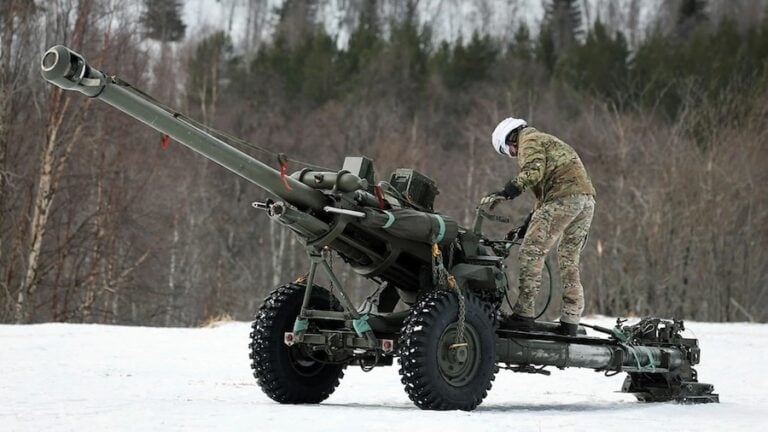
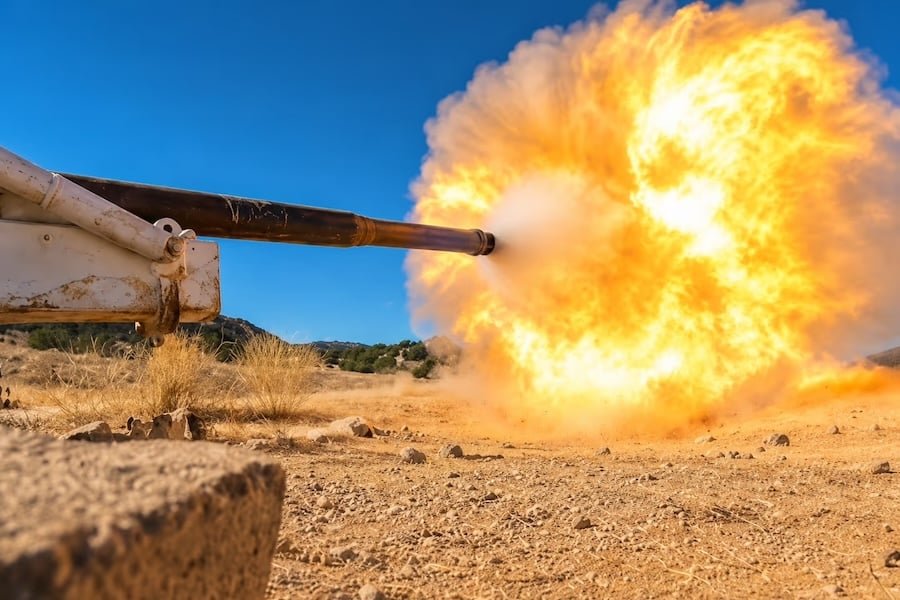
Sceptre is a ramjet-powered 155mm munition designed for extended-range precision strikes from existing NATO-standard artillery platforms. The company said it moved from desktop concept to contract in 24 months.
The collaboration operates under an International Traffic in Arms Regulations Technical Assistance Agreement. It authorizes engineering, technology development and industrial participation between Tiberius and a consortium of U.K. technology partners.
Tiberius described the contract as the first scaled deployment of its Defense-as-a-Service model. Under that approach, the company develops, tests and validates technology for licensing to qualified manufacturers and partner nations.
The model is intended to spread development costs and risk across allied markets. Participating countries can establish domestic manufacturing from a shared technology foundation.
“The West’s greatest strategic advantage is the freedom to invent, compete and build,” said Chad Steelberg, Tiberius Aerospace’s founder and chief executive. “Our ambition is to turn that advantage into our greatest weapon: the collective innovative power of the free market.”
The company’s AI-powered GRAIL platform connects requirements, engineering, suppliers, compliance and manufacturing. It supports technology evaluation and supplier coordination against a controlled engineering baseline.
Tiberius said distributed production can reduce reliance on individual suppliers and provide additional manufacturing pathways. Technology access remains subject to applicable authorizations.
“Deterrence depends not only on having the right capability, but on maintaining a strong industrial and technological base that can respond rapidly to emerging threats,” said General Sir Roly Walker, the British Army’s chief of the general staff. “The collaboration on Sceptre demonstrates the value of bringing together UK and US technological expertise to explore advanced artillery technologies and strengthen transatlantic defence cooperation.”
Sceptre uses a modular, open architecture intended to accommodate qualified components as the system develops. GRAIL provides a framework for evaluating and integrating those changes across participating companies.
“Modern conflict has reinforced a fundamental lesson: munitions capacity is essential to sustaining combat power,” said retired Adm. Gary Roughead, the 29th chief of naval operations. He said greater allied production capacity strengthens readiness and the ability to sustain combat operations.
Sceptre’s development has included work under contract with the U.K. Ministry of Defence and support from the U.S. Defense Innovation Unit. It also includes a Cooperative Research and Development Agreement with the U.S. Army Combat Capabilities Development Command Armaments Center.