Air Force Global Strike Command is running the effort with Air Force Materiel Command and the Defense Logistics Agency. The campaign targets supply shortages, engineering bottlenecks and lengthy depot maintenance cycles.
“The North Star Readiness Campaign is our commitment to ensuring the warfighter has the nation’s bomber force ready to go at a moment’s notice,” said Gen. S.L. Davis, commander of Air Force Global Strike Command. “This is a team effort.”
Daily aircraft-on-ground meetings bring supply officials, base logistics units and flight-line maintainers together to resolve delayed orders. Some parts shipments that once took a week or longer now take two or three days.
Faster movement of components is helping maintenance units return aircraft to service sooner. The decline in urgent shortages also allows personnel to focus on high-priority backorders and emerging equipment failures.
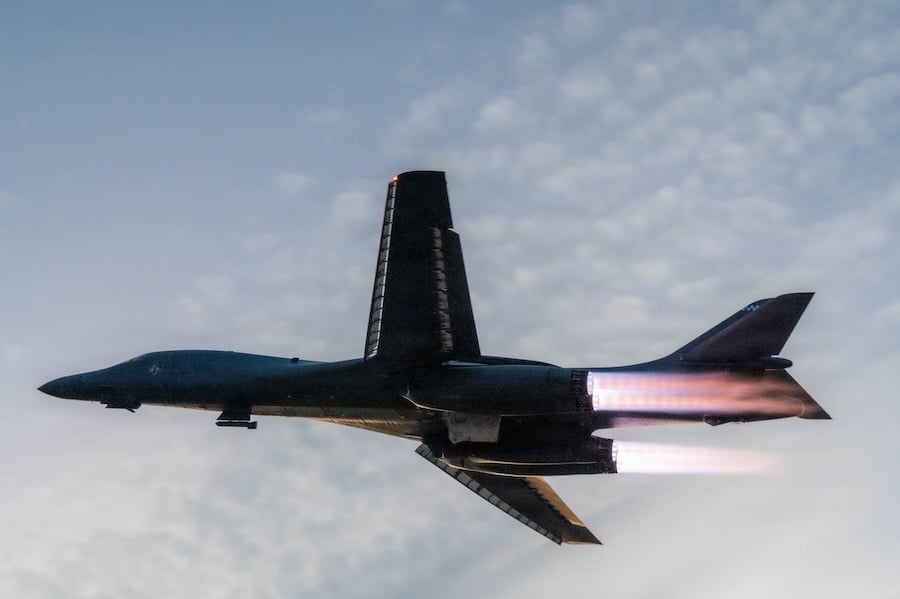
The B-1 effort is focused on structural and avionics components that affect aircraft availability. Air Force organizations and DLA are also working to reduce the time bombers spend in depot maintenance.
“Air Force Materiel Command is committed to sustaining legacy fleets and improving readiness for today and tomorrow,” said Lt. Gen. Linda Hurry, commander of Air Force Materiel Command. “Our constant engagement with Global Strike leadership and joint logisticians has helped us reinvigorate the supply chain and return these airframes to the fleet faster after depot maintenance, increasing bomber capacity and capability.”
The campaign is also drawing on maintenance changes developed by airmen at operational units. One local playbook has sharply reduced phase-maintenance timelines while retaining safety and security requirements.
“Strengthening the supply chain and engineering support means maintenance is faster and less complex,” said Matt Miller, executive director of Air Force Global Strike Command’s Logistics and Engineering directorate. “It ensures these critical aircraft remain a credible strategic asset for decades to come.”
The readiness drive runs alongside upgrades intended to keep the B-52 and B-1 flying for decades. The Air Force will also sustain the B-2 Spirit until the B-21 Raider becomes fully operational.
“By modernizing these incredible platforms and ensuring our maintainers have the parts and support they need, we are sending a clear message to our adversaries and allies alike that the United States’ long-range penetrating strike capability is, and will remain, second to none,” Davis said. North Star is intended to protect near-term bomber availability while those fleet upgrades continue.