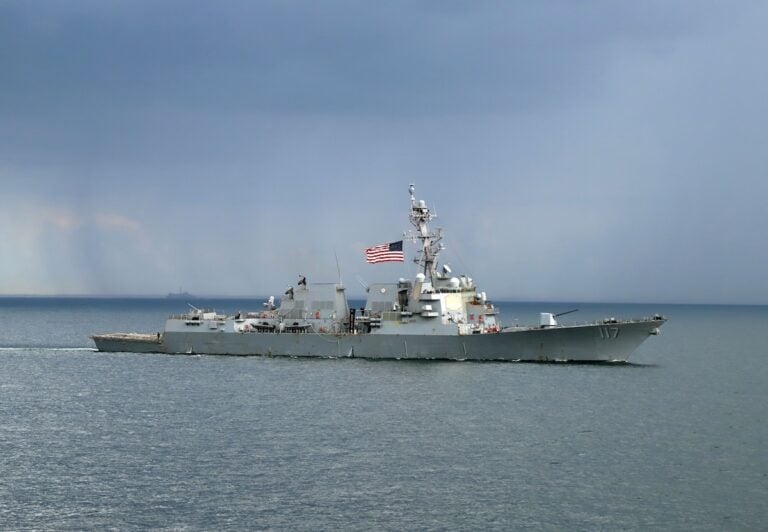
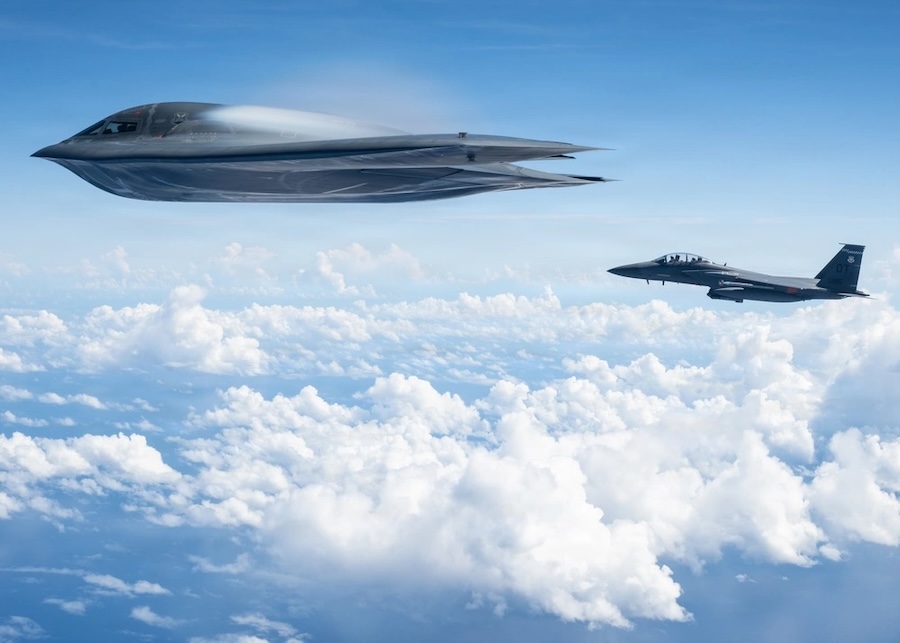
The bomber, assigned to the 509th Bomb Wing, fired an AGM-158C Long Range Anti-Ship Missile at the vessel during Valiant Shield 2026, a biennial U.S. military exercise held across the Indo-Pacific theater. An F-15E Strike Eagle, assigned to the 85th Test and Evaluation Squadron, flew alongside the B-2 Spirit during the strike.
The Air Force said the mission demonstrated the ability to conduct operations against enemy naval forces and maintain what it called a decisive edge over regional adversaries — language that reflects Washington’s growing focus on countering China’s naval buildup in the Pacific.
The pairing brought together two aircraft with distinct roles. The B-2 Spirit is a long-range, low-observable bomber capable of penetrating contested airspace and striking deep inside enemy territory. The F-15E is a twin-seat strike fighter used for both precision attack missions and weapons testing, giving the exercise a mix of stealth and conventional strike power operating in tandem.
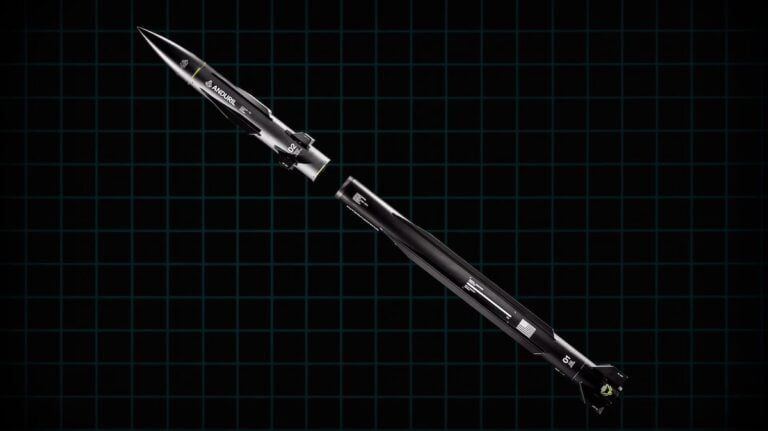
The AGM-158C missile at the center of the strike is built to hit ships from well outside the range of most naval air defenses. That stand-off capability allows bombers and fighters to threaten enemy vessels without flying into the teeth of a ship’s defensive systems — a capability defense planners consider increasingly important as adversary naval forces field longer-range radar and missile systems of their own.
Valiant Shield is designed to test coordination between the Air Force, Navy, Marine Corps and other services operating together in a single theater. This year’s iteration also featured other advanced platforms, including the MQ-28 Ghost Bat drone, built by Boeing Defense Australia, and the F-15EX Eagle II, according to imagery released alongside the sinking exercise.
The exercise took place as U.S. forces continue to sharpen naval strike capabilities across the Pacific, a region where military planners increasingly emphasize the ability to hold enemy ships at risk from long range.