
The test took place under the bilateral Southern Cross Integrated Flight Research Experiment initiative. It concluded a series of trials intended to assess the missile’s performance.
Neither the test range nor the flight parameters were disclosed. A U.S. Air Force statement indicated that an Australian aircraft launched the missile, but its type was not identified.
Aircraft and procurement plans
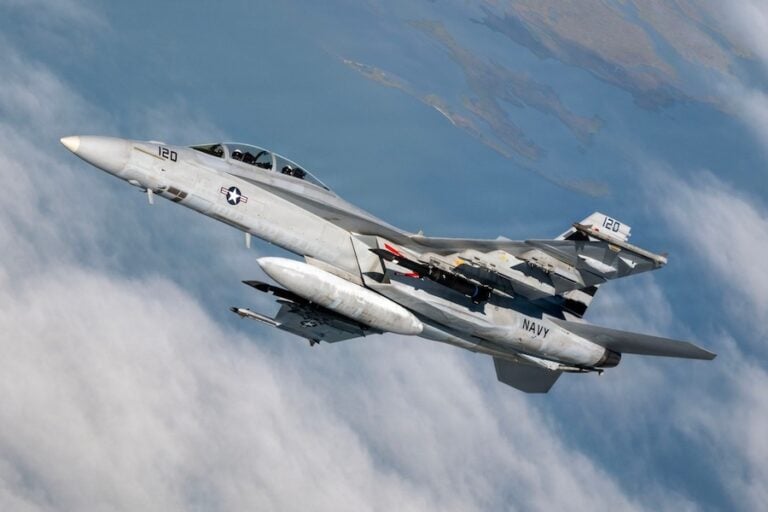
The Government Accountability Office had previously indicated that Australian F/A-18F Super Hornets were expected to support at least some HACM tests. The testing plan also included U.S. F-15E Strike Eagles.
The reported successful flight is intended to support an initial order for pre-production missiles in 2027. Delays leave uncertainty over whether the program can meet that procurement schedule.
The Air Force has proposed simplifying prototype testing procedures and reduced the planned number of flight tests from seven to five. Success in the first three could allow an order to proceed.

Development costs exceed $985 million
RTX and Northrop Grumman are developing HACM under a contract awarded in September 2022. Development is expected to cost more than $985 million.
The original plan called for the first missiles to be delivered to the Air Force in 2027. That deadline is now considered unlikely to be met.
HACM is intended to have two stages: a launch booster and the missile carrying the warhead. It is expected to use a ramjet engine, probably for the second stage.
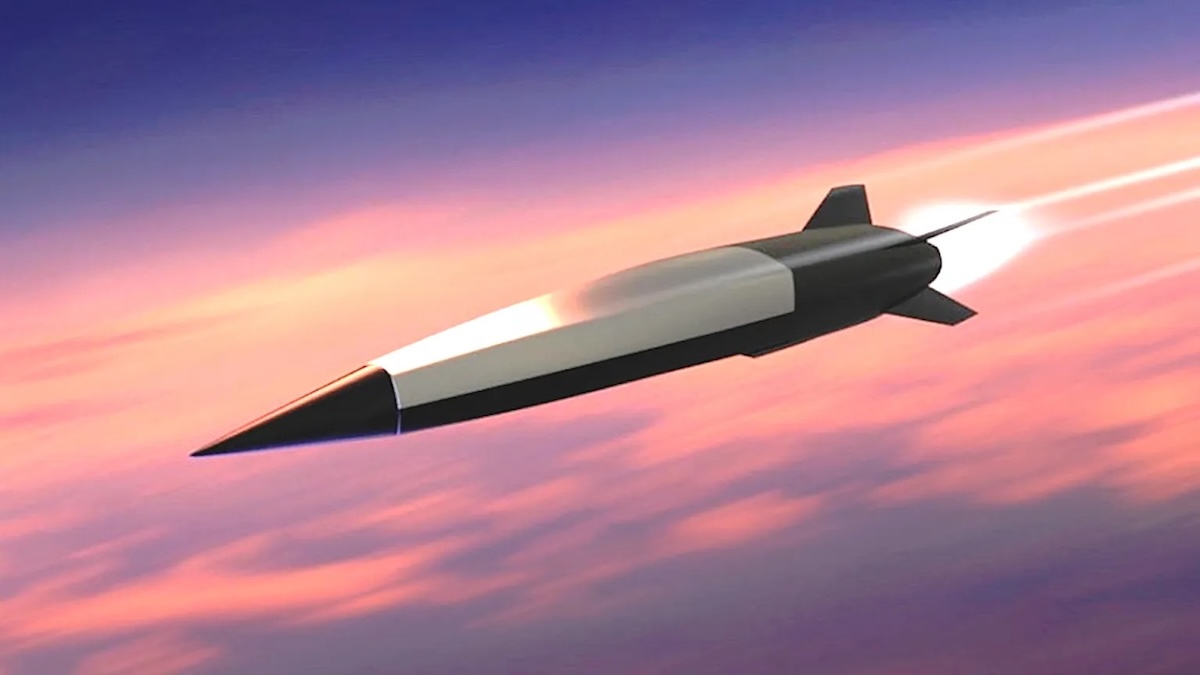
Missile and warhead weights, guidance arrangements and maximum and cruise speeds remain undisclosed. Public depictions are limited to earlier visualizations.
Source: The War Zone.