
The information was disclosed on social media by a U.S. Army official responsible for ammunition procurement, Maj. Gen. Frank. He said the Army intends to engage defense manufacturers during an upcoming Industry Day forum in Washington to support future purchases of various relatively low-cost air defense missiles.
The Army’s expectations are ambitious, according to the report. The future interceptor is expected to consist of four main elements, each costing no more than $250,000: a guidance system, a control system, a solid-fuel rocket motor and other components, including the body and warhead.
The total missile cost is expected to be no more than $1 million. If components are sourced from different suppliers, one company, or a separate integrator, would likely be needed to bring the complete missile together.
The Army is seeking to reduce costs by opening the effort to suppliers that may not have previously worked in the defense sector. An open architecture is also expected to allow individual components to be replaced more easily and reduce dependence on a single source of supply.
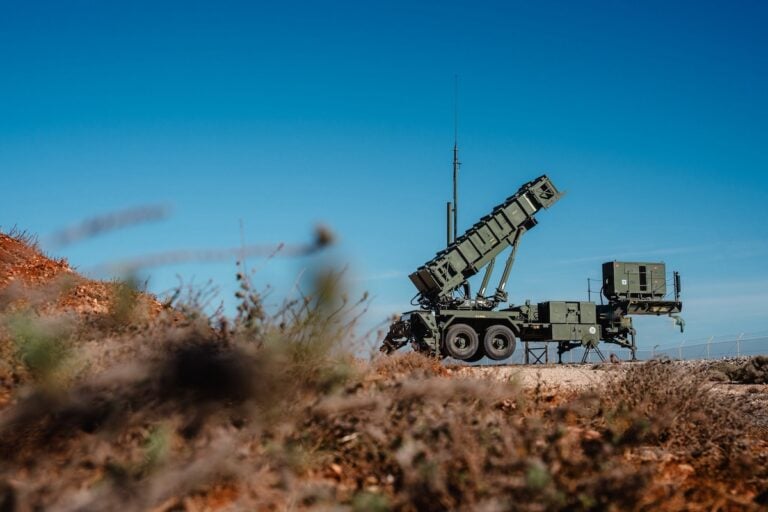
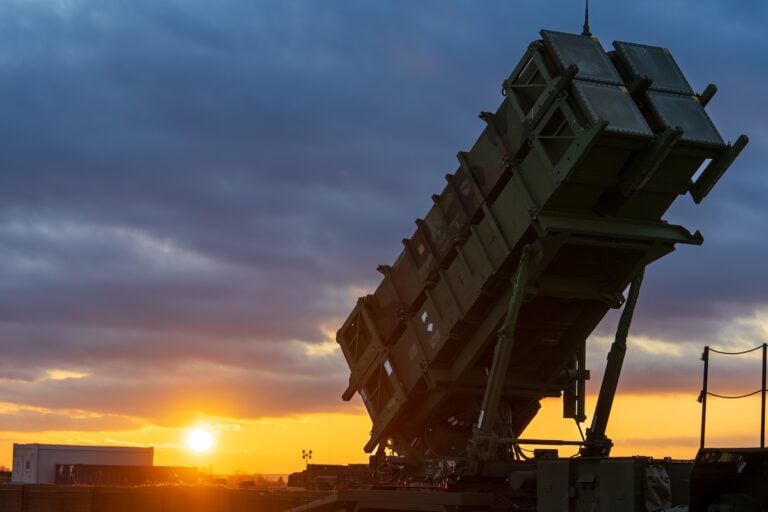
The missile is expected to be launched from the M903 launcher used by Patriot batteries. Its design is also expected to allow cooperation with Northrop Grumman’s Integrated Battle Command System, known as IBCS.
Despite the intended lower price, the missile would still have to meet demanding performance requirements. It is expected to be capable of engaging cruise missiles and short-range ballistic missiles, not only aircraft and helicopters.
The report did not specify the expected range of the future missile or the maximum altitude at which it would be able to intercept targets. These details are likely to be defined later as the Army moves toward industry engagement and a future procurement process.
The new missile concept is linked to growing cost pressures within the Pentagon. The U.S. armed forces have concluded that not every threat requires the use of the PAC-3 MSE, which is highly capable but expensive.
According to the Army’s fiscal 2027 budget proposal, the unit cost of a PAC-3 MSE missile is expected to reach $5.3 million. The weapon has been proven in combat and is highly rated, but its cost and production complexity have encouraged the Pentagon to seek a cheaper alternative.
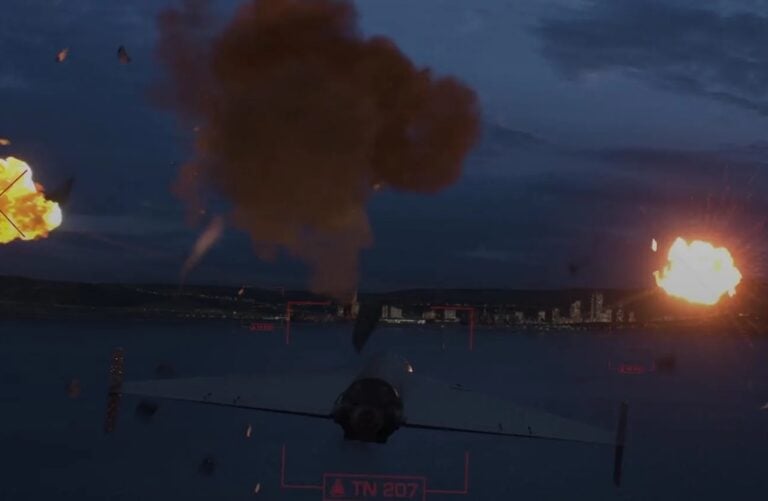
The issue became more urgent after heavy PAC-3 MSE use during the campaign against Iran. Patriot batteries were reportedly required to engage targets that cost only several hundred thousand dollars, and in some cases less.
U.S. experts cited in the report warn that the Army’s objectives may be difficult to achieve in practice. Maintaining a low price, simple production and enough performance to counter threats including short-range ballistic missiles could prove a major technical challenge.