The award follows the recent announcement of a production contract for 72 RCH 155 systems. The system is set to become the British Army’s long-term 155 mm close support artillery capability.
QinetiQ will conduct the test and assurance work at sites it operates under its Long Term Partnering Agreement with the Ministry of Defence. The company will also use its own sites across the United Kingdom.
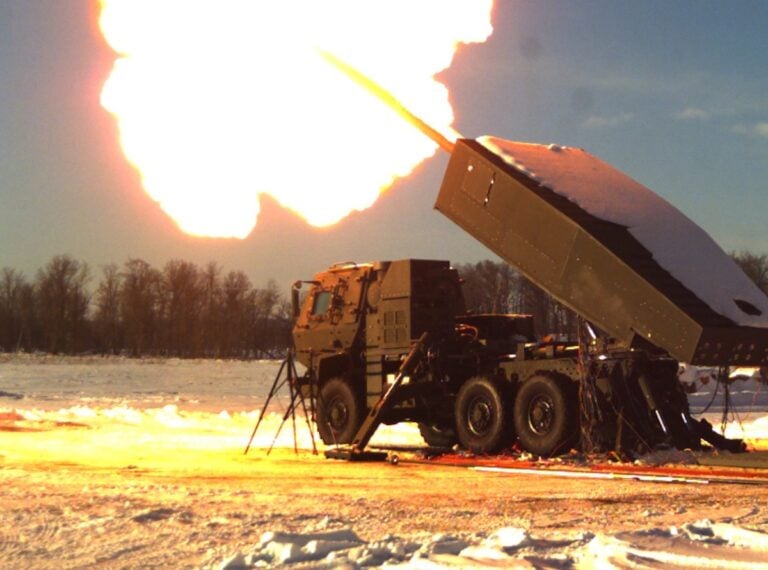
The RCH 155 was developed by KNDS and is being procured through UK-Germany collaboration. It combines the automatic and remote-controlled Artillery Gun Module with the protection and mobility of the Boxer wheeled armoured vehicle.
According to QinetiQ, the system can respond to threats up to 70 km away in seconds and switch targets without repositioning. Its ability to redeploy rapidly is intended to help it avoid enemy fire more easily.
QinetiQ will test and assure every element of the RCH 155, including ammunition safety and gun barrel degradation over time. The trials will also assess how environmental conditions, including extreme temperatures, affect the safety of the platform and its operators.
“Our teams across the UK are ready to ensure the RCH 155 meets the necessary high standards for safety and performance in order to meet the needs of the British Army,” said Will Blamey, Chief Executive UK Defence, QinetiQ.
“QinetiQ, working under the Long Term Partnering Agreement with the Ministry of Defence, is in a unique position to fully understand, test, and assure this platform under the range of conditions available at different UK QinetiQ sites,” Blamey added.
Ed Cutts, the Army’s Senior Responsible Owner for the Mobile Fires Platform, said the contract marks an important step in the programme. “This announcement, as part of the MOD and QinetiQ’s Long Term Partnering Agreement, is a significant step forward in the development of the British Army’s long term 155mm Close Support artillery capability,” he said.
“It follows the UK’s announcement of a circa £1bn series production contract and will ensure the Army’s future capability is appropriately tested and qualified in a range of environments and settings,” Cutts added. “This contract reflects the criticality of giving fully operable, and safe, capability to the British Army at an expedited pace.”