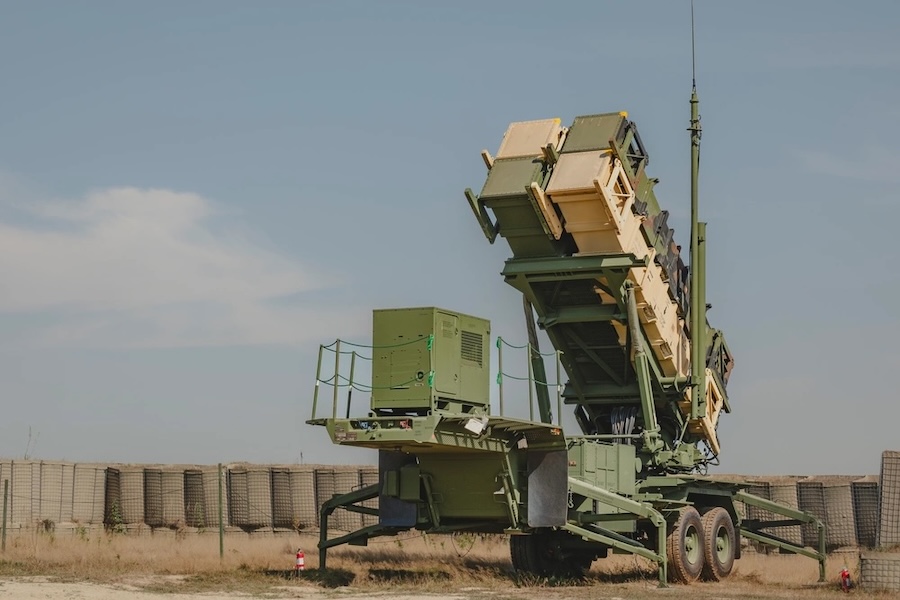
The expansion schedule was detailed in an Aug. 27 Congressional Research Service report titled “U.S. Army’s Patriot Air and Missile Defense System”. The service plans to establish one additional battalion in each fiscal year from 2029 through 2031.
The buildup comes at a time of sustained demand for air and missile defense capabilities across multiple regions. CRS said members of Congress have shown particular interest in Patriot costs, availability and production in light of the conflicts in Iran and Ukraine.
The report did not provide a combined procurement value for the three planned battalions or an annual funding profile. It also did not specify how many additional launchers, radars or interceptors the Army would need to equip the new formations.
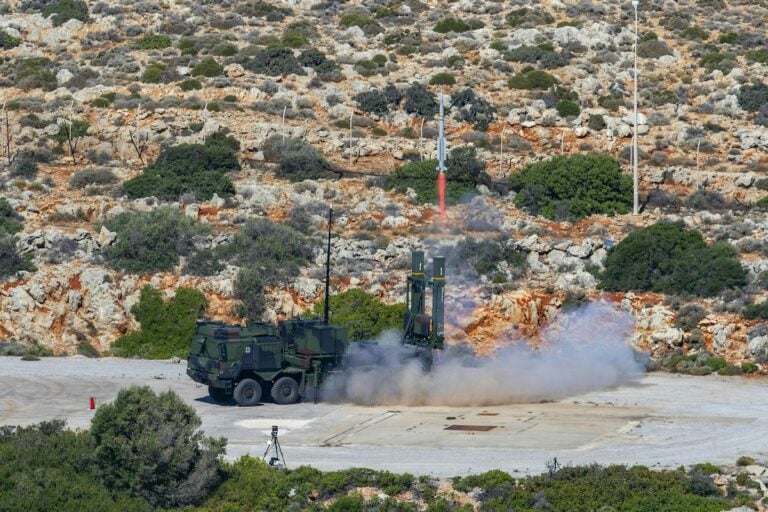
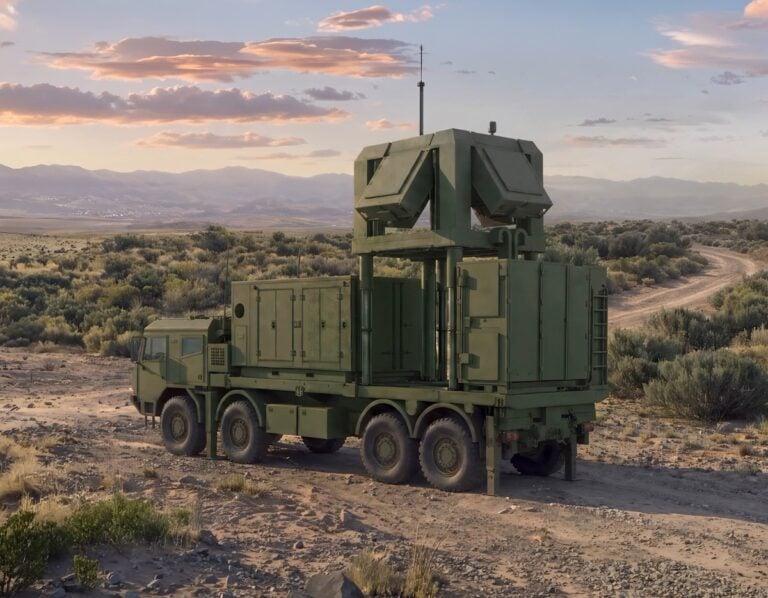
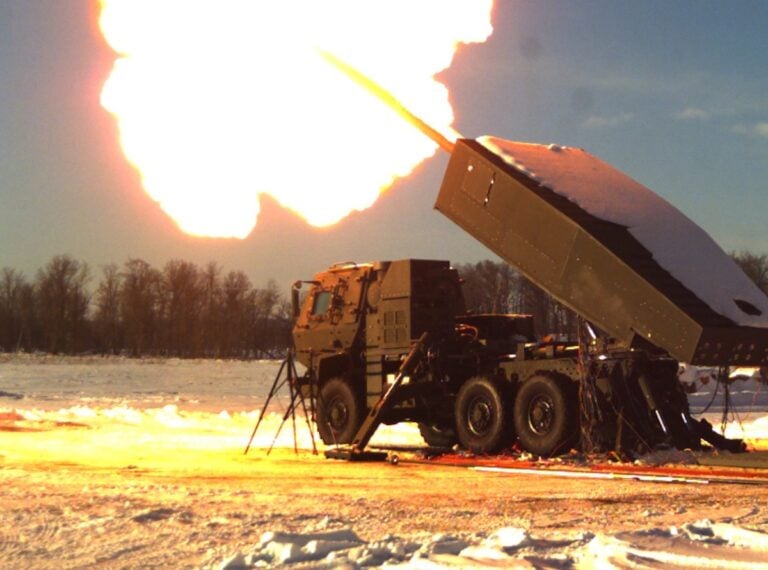
Patriot is a mobile, ground-based system designed to detect, track and engage aircraft, drones, cruise missiles and short-range or tactical ballistic missiles. Its main components include a radar, an engagement control station, missile launchers and a range of interceptors tailored to different threats.
RTX, formerly Raytheon, is the prime contractor for the Patriot system, while Lockheed Martin produces the PAC-3 Missile Segment Enhancement interceptor. The Army is procuring the PAC-3 MSE and is reportedly pursuing newer interceptor variants offering greater capability at a lower cost.
A Patriot launcher can carry between four and 16 interceptors, depending on the missile variant, and can be positioned separately from the radar and engagement control station. It can be ready to fire in less than nine seconds, while the radar can track and prioritize more than 100 potential targets at a range exceeding 100 kilometers.
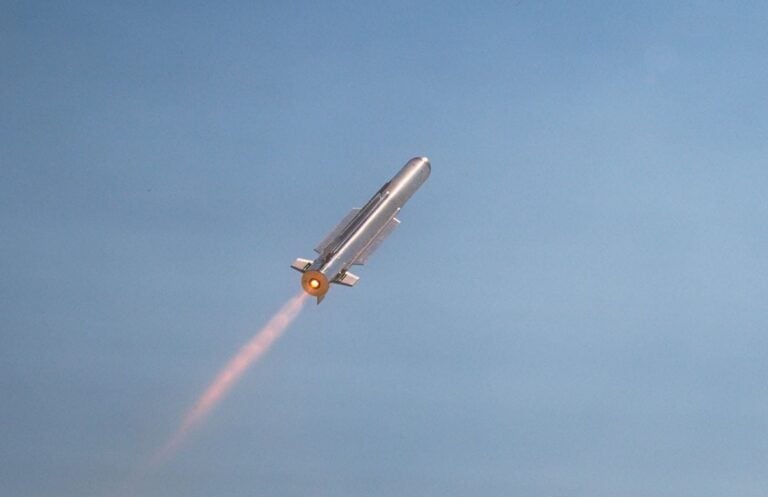
The PAC-3 MSE uses hit-to-kill technology and is designed to intercept tactical ballistic missiles, cruise missiles, air-breathing threats and unmanned aerial systems. It has been integrated into Patriot systems operated by the United States and international partners, as well as the U.S. Terminal High Altitude Area Defense system.
Patriot batteries are primarily designed for point defense, protecting specific military assets or locations rather than broad territorial areas. They can operate independently but are intended to form part of layered defenses alongside systems such as THAAD.
Expanding the force will place added attention on whether the Army has enough equipment, interceptors and trained personnel to meet operational requirements. CRS identified that question as a potential area of congressional oversight but did not conclude that the service currently faces a shortfall.
The report also raised questions about the effect of existing Patriot deployments on U.S. force posture in other operational theaters. Congress may examine whether those deployments are leaving gaps elsewhere and how the Defense Department is managing any resulting risk.
Industrial capacity is another potential constraint as the Army prepares to add battalions while the United States continues supplying foreign customers and partners. CRS asked what supply-chain bottlenecks are limiting production, which critical materials are shared with other weapons programs and what production rate the Defense Department ultimately requires.
Congress may also consider whether foreign production lines, new manufacturing capacity or expanded coproduction agreements can reinforce the U.S. industrial base. The report noted that governments across Europe, the Middle East and the Indo-Pacific have acquired or requested Patriot systems, adding to competition for production capacity.
Future demand may extend beyond the Army’s planned force expansion. Patriot has reportedly been considered as a possible component of the initial Golden Dome homeland missile defense architecture, although formal requirements for additional units are not believed to have been submitted.