Oversight institutions had previously criticised the IVAS device and its development process. Their concerns focused on technical problems and the way the project was managed.
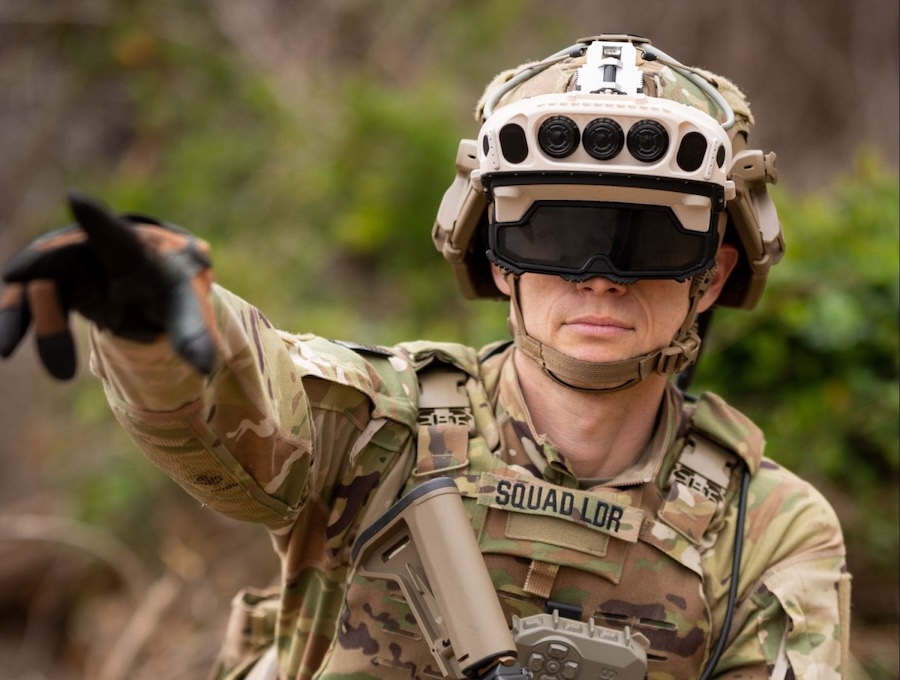
Development of IVAS began in 2018. The aim was to improve situational awareness by overlaying sensor imagery and other information onto a soldier’s field of view.
The Army initially planned to field the system in 2021. Ergonomics and reliability problems later pushed the expected fielding date to 2025.
Microsoft was originally the sole developer of IVAS. The company received a 10-year contract that was ultimately expected to be worth $22 billion.
In February 2025, Microsoft announced cooperation with Anduril Industries. Anduril took over oversight of production, future hardware and software development, and delivery schedules.
Anduril also integrated its artificial intelligence-based Lattice system with IVAS. The move was intended to support further development of the equipment and software.
According to the Government Accountability Office, the U.S. Department of Defense has spent $1.8 billion on IVAS development so far. GAO said nearly 10,000 headsets in two IVAS versions have been produced.
The systems did not meet soldiers’ expectations and will be placed in storage. Some of the devices could potentially still be used for testing.
Testing of IVAS 1.0 began in 2022. Soldiers using the headsets hit fewer targets and identified them more slowly.
Soldiers wearing the systems also reported disorientation, eye and neck strain, headaches and motion sickness. These issues contributed to criticism of the system’s technical maturity.
The Army later received more than 400 IVAS 1.2 prototypes. These included improved low-light sensors, a redesigned interface and a new physical design.
The field of view was reduced from 70 to 60 degrees. That change helped reduce image distortion and limit eye fatigue.
The IVAS 1.2 prototypes were tested during exercises at Fort Drum, New York. In mid-2025, the systems were also used in a mission on the U.S.-Mexico border in cooperation with Border Patrol agents.
The results were only slightly better than those recorded with IVAS 1.0. The devices were assessed as technically immature.
The Army has now decided to move toward the Soldier Borne Mission Command system. The new approach is based on the Company and Below architecture and draws on experience gained through the IVAS program.
IVAS 1.2 prototypes are being used in testing as substitutes for SBMC. In September 2025, Anduril was selected to develop SBMC prototypes.
Anduril has not yet produced an SBMC prototype. The company is currently presenting its independently developed EagleEye headset.
The EagleEye battery is placed in ballistic protection on the soldier’s chest. This design is intended to reduce the weight carried on the soldier’s head.
GAO assesses that the time needed to reach initial capability under the program now exceeds 12 years. The assessment underlines the prolonged development path from the start of IVAS work in 2018 to the Army’s move toward a successor approach.