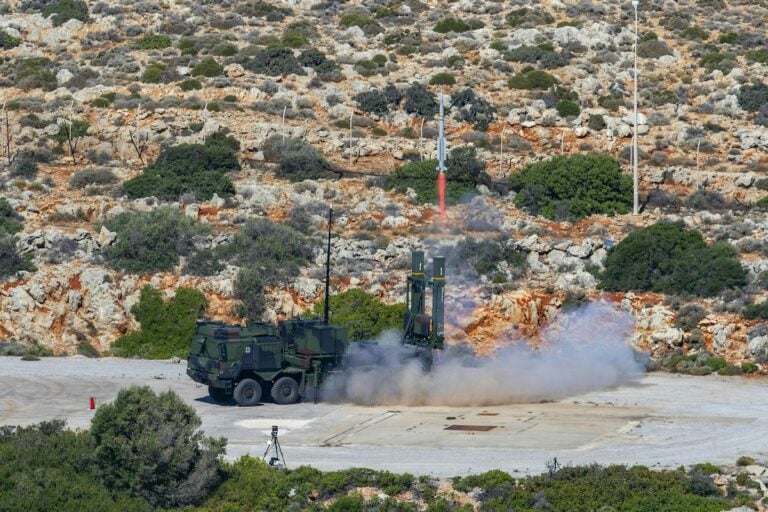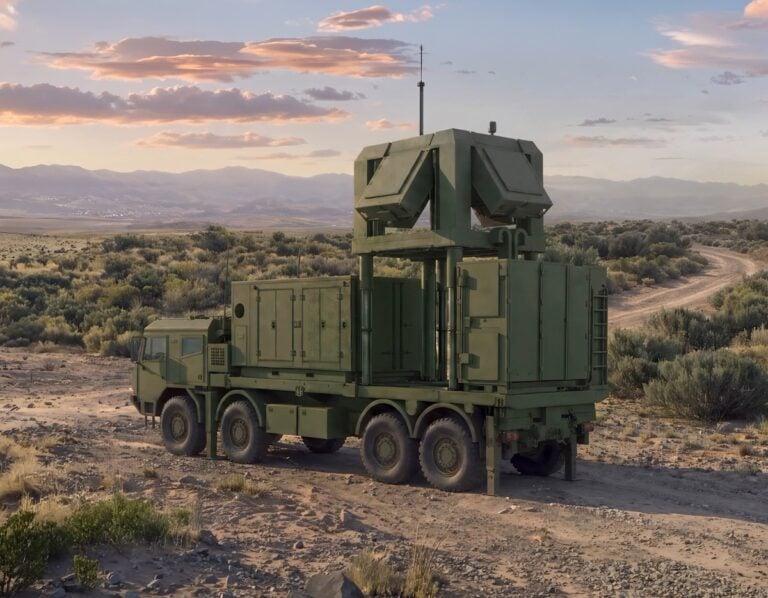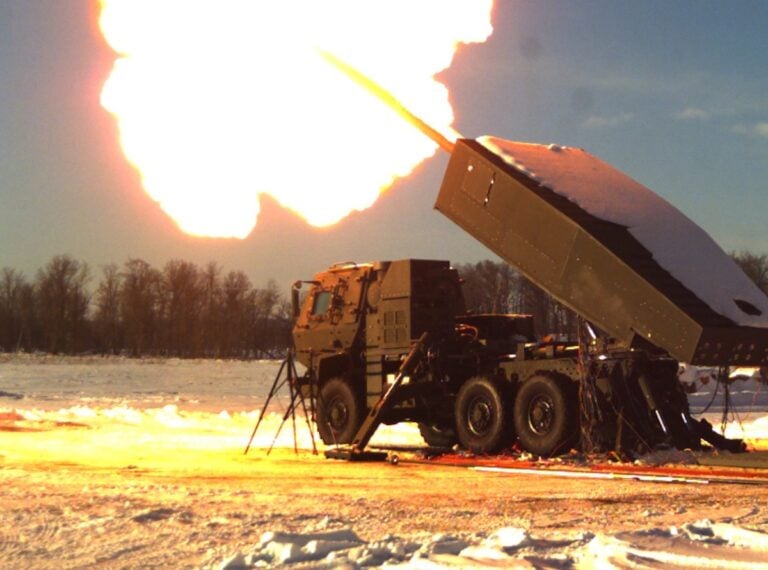
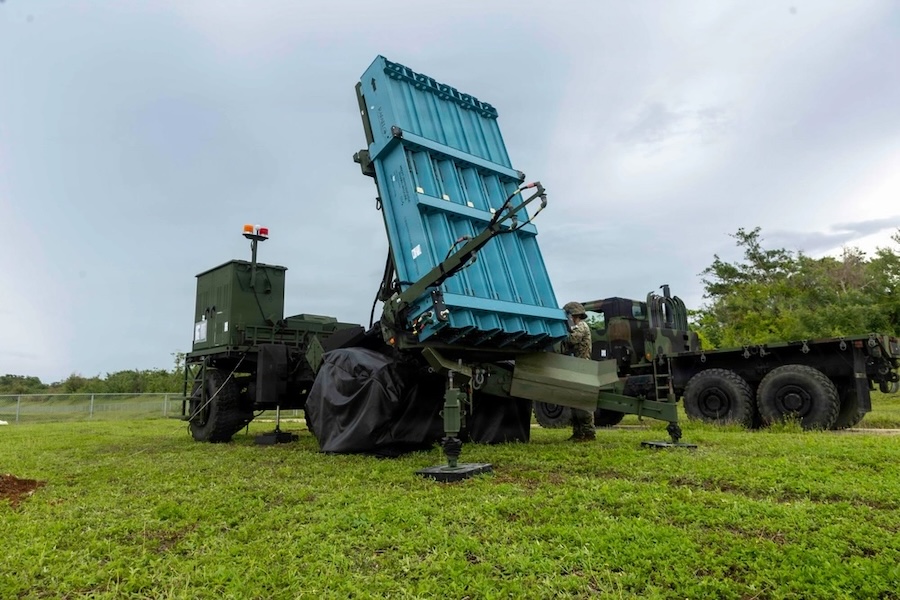
“The [Medium-Range Intercept Capability] system provides a decisive competitive advantage in mobile air defense, providing rapid coverage wherever it’s needed,” a news release published Tuesday said. The announcement said the system has been fielded with III MEF, the only forward-deployed Marine Expeditionary Force.
The deployment was practiced during Valiant Shield, a multilateral exercise that brought together maritime strike and new defensive capabilities from Washington and its regional partners. During the exercise, Adm. Samuel Paparo, commander of U.S. Indo-Pacific Command, viewed MRIC’s deployment on Guam during a trip through the second island chain covering U.S. and allied defense initiatives and deployments.
“By enhancing our defensive capabilities with the MRIC, we are strengthening our ability to stand with our allies and partners. We want to assure them that through these technological advancements, III MEF is ready and able to answer the call in times of crisis,” Lt. Gen. Roger Turner, III MEF commanding general, said in the release.
MRIC is the Marine Corps’ longest-range air defense system since the Cold War. It was procured under Force Design, a service-wide initiative intended to train and equip Marines for a contested Pacific fight against China.
After retiring its previous medium-range air defense system, the Homing All the Way Killer, in the 1990s, the Marine Corps relied on Stinger man-portable air defense systems. As air and missile threats from China grew, the service sought a more capable system and in 2023 selected the Israeli-made Iron Dome, which had been used for years against massed rocket and missile barrages against Israel.
According to last year’s Force Design update, the Marine Corps plans to fully furnish three MRIC batteries by 2028. The missiles are deployed from trailers carrying 20 interceptors each and can down targets from two to 43 miles away.
The service says the systems will defend “critical assets” that could otherwise be threatened by enemy air and missile attacks. III MEF is based in Okinawa, which is within range of numerous Chinese air bases and missile batteries capable of striking the Japanese island.
Marine Corps leaders envision Marines using advanced sensors and anti-ship missiles positioned along strategic islands to detect and blunt Chinese movements in a conflict. MRIC is one of several air defense and radar systems acquired under Force Design to protect those forces from a range of aerial threats.
Marine Littoral Regiments have already deployed Marine Air Defense Integrated Systems for drills in the Philippines and Japan. Armed with chain guns and Stinger missiles, those vehicles are designed to counter close-in threats such as attack aircraft and drones while protecting Navy-Marine Expeditionary Ship Interdiction Systems, unmanned Naval Strike Missile-equipped launchers that Marines plan to use to contest waters and hold enemy vessels at risk.
Source: U.S. Marine Corps.