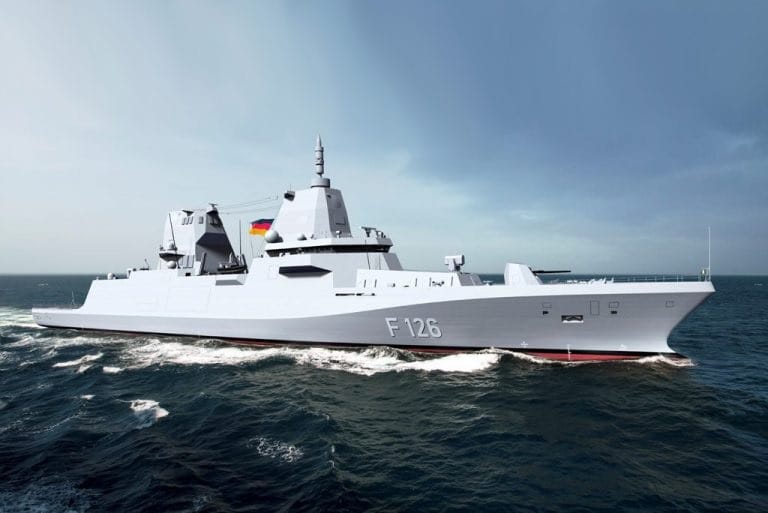
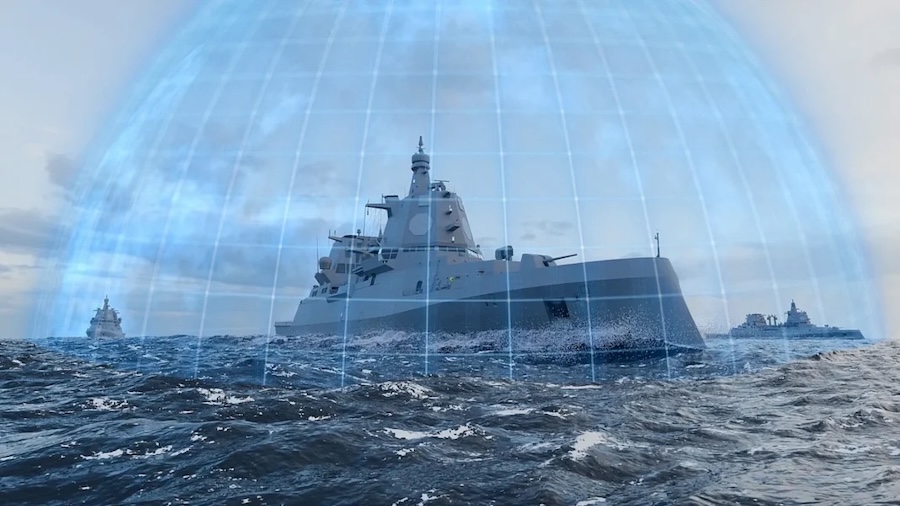
The F127 class is expected to become the largest combat warship type in the German fleet since the Second World War. Germany initially considered five ships with an option for one more, but the requirement has since risen to eight vessels.
The change reflects a different security environment in Europe. German policymakers now treat the threat from Russia more seriously, including in the Baltic Sea, the North Sea and Arctic waters.
The planned increase also reflects uncertainty over the level of naval support Europe could receive from the United States in a future crisis. Washington has been shifting naval forces towards the Pacific and Indian Ocean in case of conflict with China.
The F127 programme relies heavily on systems sourced from the United States. In April 2026, the U.S. State Department approved the sale to Germany of ICS Mk 6 Mod X integrated combat system sets based on AEGIS, including AN/SPY-6(V)1 radar sets, Mk 41 Baseline VIII vertical launchers, auxiliary equipment and support for eight ships.
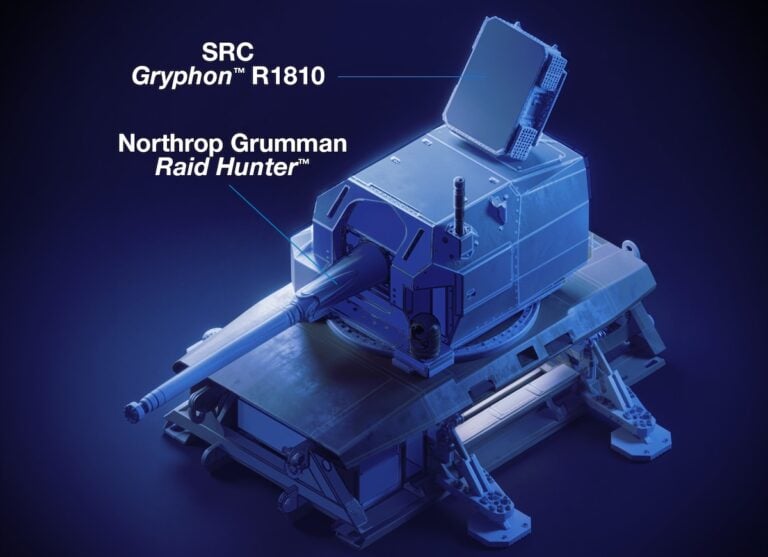
Germany also plans to arm the F127 ships with U.S.-made 127 mm naval guns. It has also selected remotely operated weapon stations with medium-calibre guns produced across the Atlantic.
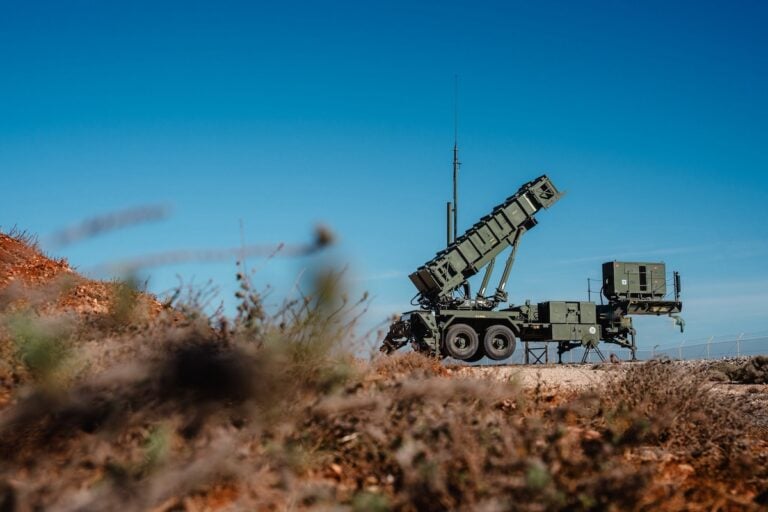
The F127 programme is also linked to a November 2025 U.S. State Department approval for the sale of air defence missiles to Germany. The package covered 173 SM-6 Block I missiles and 577 SM-2 Block IIIC missiles for about $3.5 billion.
Berlin may still ask Washington to sell additional missiles, including new types. Such weapons are central to the ships’ intended mission of protecting naval groups, operating areas and coastal territory from air and missile threats, including ballistic missiles.
The F127 is expected to carry 96 cells of the Mk 41 vertical launch system. That number places its missile capacity at the level of an Arleigh Burke-class guided-missile destroyer.
The ships will need a very large hull to carry their planned sensors, weapons and combat systems. The design uses a modified MEKO A-400 AMD platform developed by ThyssenKrupp Marine Systems.
The size of the planned ship has increased as the programme has developed. In 2024, the vessel was described as a 160-metre ship with a displacement of 10,000 tonnes, but the design has since grown to almost 178 metres and about 12,000 tonnes.
The F127 is also listed with a beam of 24 metres, draught of 7.8 metres, a maximum speed of 32 knots and an endurance of 30 days. Its range is given as 4,000 nautical miles.
Germany wants to equip the ships with RIM-116 RAM close-in missile defence systems. This would add another defensive layer to the vessel’s larger air and missile defence architecture.
The F127 has been designed as an ocean-going ship capable of global deployment. Its role will be to protect major task groups against aircraft, missiles and drones.
The AEGIS-based combat system is intended to allow simultaneous detection and engagement of multiple targets. The modular design is also expected to make future upgrades easier as threats change.
The large platform is intended to provide space and reserve capacity for new weapons. These could include laser systems or hypersonic missiles in later decades.
The F127 therefore appears to be more than a traditional frigate in size and combat potential. Its displacement, missile capacity and air and missile defence role place it closer to the destroyer category, even if Germany continues to describe it as a frigate.