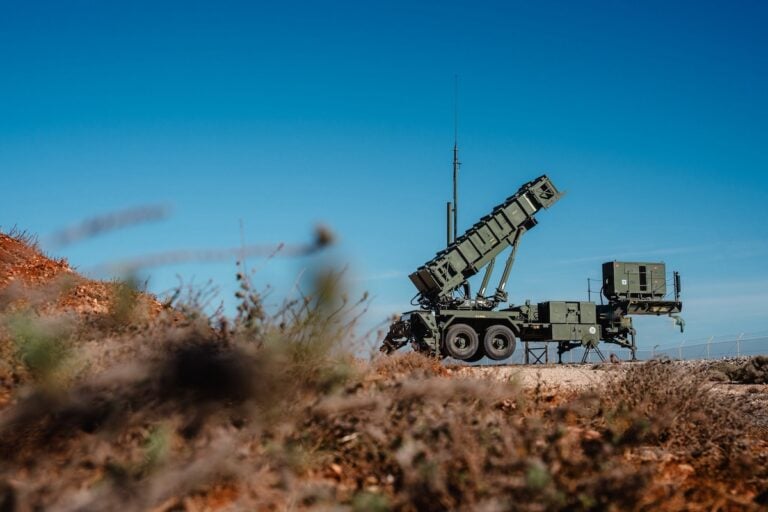

The Precision Strike Missile, known as PrSM, is manufactured by U.S. defense company Lockheed Martin. The planned procurement places the missile within a broader British effort to expand long-range fires and strengthen the Army’s ability to conduct precision strikes at greater distances.
The PrSM investment is listed in the plan’s weapons and munitions section. It sits alongside other programs intended to increase stockpiles and give the Armed Forces a broader mix of advanced and lower-cost strike capabilities.
The Defence Investment Plan is backed by £298 billion over the next four years. It is designed to implement the 2025 Strategic Defence Review and move the Armed Forces toward greater warfighting readiness.
The plan allocates £11.1 billion to munitions and weapons. The Ministry of Defence says this investment is intended to increase UK stockpiles and provide the Armed Forces with a “high-low” mix of capabilities to defeat a full range of targets more efficiently.
For the British Army, PrSM supports a wider shift toward long-range precision firepower. The plan says future land investments will focus on distributed surveillance technology, digital connectivity and precision firepower at ever-increasing ranges.
Between 2030 and 2035, the Ministry of Defence plans to invest at least £36 billion in new capabilities for the land domain. These investments are intended to support a wider transformation of British land warfare through autonomous systems, long-range fires and networked operations.
The plan says the Army will expand and enhance long-range sense-and-fires systems. These systems will combine rockets, missiles and drones to help the Army win the “deep” fight.
PrSM also fits into the plan’s emphasis on recce-strike warfare. The Army is expected to combine surveillance, data networks, artificial intelligence and weapons to find and strike enemy targets faster and at greater distance.
That approach is linked to Project ASGARD, the Army’s digital targeting initiative. ASGARD is intended to connect sensors, AI and weapons so the Army can find, decide and strike faster than an adversary.
The Ministry of Defence says ASGARD will integrate surveillance capabilities, including cyber and space, with firepower such as artillery, long-range missiles, aircraft and single-use uncrewed aerial systems. PrSM is therefore positioned not only as a missile procurement, but as part of a wider targeting and strike architecture.
The PrSM decision also reflects the plan’s focus on international cooperation in key capability areas. By joining the program with Australia and the United States, the UK is aligning its future ground-launched strike capability with close defense partners.
The planned PrSM investment is one part of a larger missile and strike portfolio. Other commitments include £770 million for Deep Precision Strike work with Germany, £1.4 billion for the Stratus missile, and funding for one-way effectors and low-cost cruise missiles.
Together, these programs mark a shift toward longer-range, more networked and more flexible strike options. In that context, the planned PrSM procurement is intended to give the British Army a new short-range ballistic missile capability and extend its role in future integrated operations.