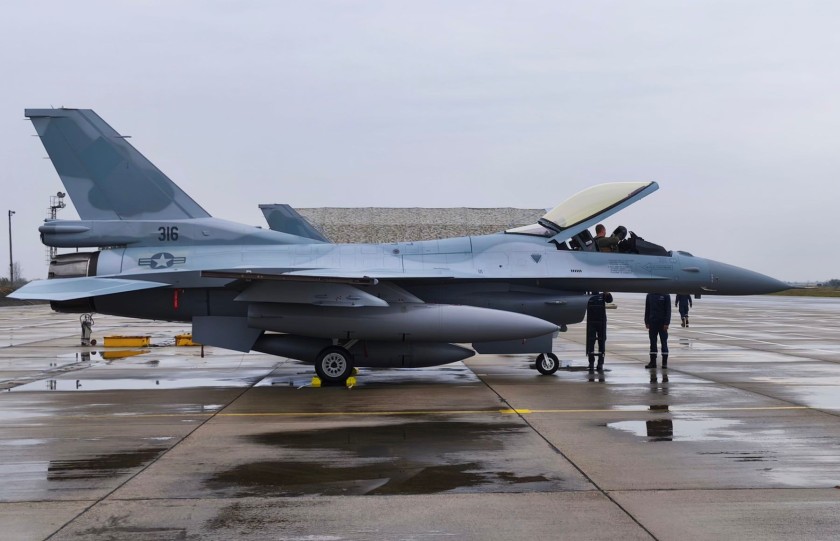
Lockheed Martin representatives discussed the schedule with Defense Minister Dimitar Stoyanov during talks on implementation of the second eight-aircraft contract. The U.S. side said the second-quarter 2030 date was not final and that all possible steps would be taken to accelerate production and deliver the aircraft earlier.
“For the Bulgarian side, it is of key importance that the delay be reduced as much as possible and does not lead to an additional financial burden on the state,” Stoyanov said. “We expect assurances that the delay will not affect the final price of the contract, as well as concrete actions to reduce the delays.”
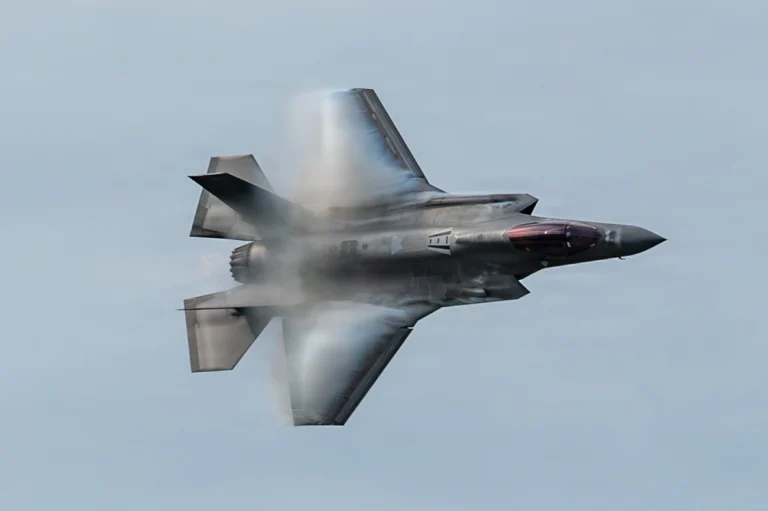
The schedule issue comes as Bulgaria works to bring its first eight F-16C/D Block 70 aircraft into operational use. Those fighters were delivered between April and December 2025 under an order placed in 2019, while the second batch of eight was ordered in August 2021, according to the additional report.
Stoyanov said the immediate objective is to place the first eight aircraft on combat duty next year. The ministry is also seeking sufficient spare parts and components, more training opportunities for Bulgarian pilots and the technical support needed to operate and sustain the fleet.
“For me as minister, it is important to see the F-16 flying in Bulgarian skies, to have the necessary spare parts and components to maintain the aircraft, as well as a sufficient number of trained pilots,” Stoyanov said. He raised the possibility of expanding access for Bulgarian pilots to F-16 training centers and called for timely delivery of sustainment equipment.
The additional report identified technical support for the first eight aircraft as a key requirement for reaching initial operational capability and beginning combat duty. It also suggested that the situation may create scope for closer cooperation with Poland, which has developed F-16 maintenance and technical-support capabilities, although no such arrangement was announced by the Bulgarian ministry.
Bulgaria has separately asked the United States about obtaining used F-16 aircraft to help maintain required Bulgarian Air Force capabilities. “This issue now takes on even greater importance and we hope to receive the necessary support,” Stoyanov said.
The talks at the Defense Ministry also included H. Martin McDowell, chargé d’affaires at the U.S. Embassy in Bulgaria, and Lt. Col. Omar Cavalier, head of the U.S. Military Group in Bulgaria. The discussions put delivery timing, sustainment and pilot training at the center of Bulgaria’s effort to manage its transition to a full 16-aircraft F-16 Block 70 fleet.