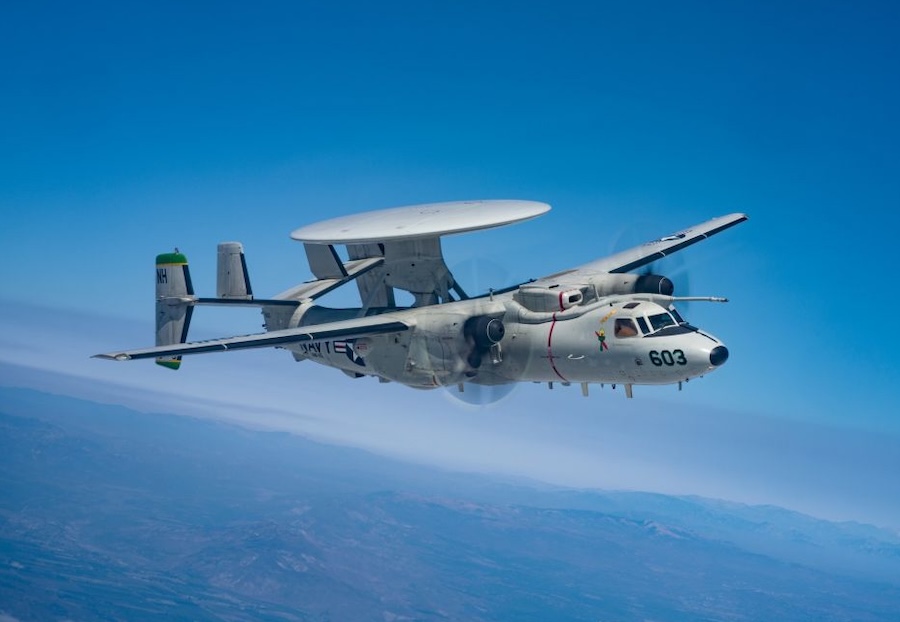
Block II is designed to give the E-2D a more adaptable technology architecture as threats and operational requirements change. Northrop Grumman said the upgrade will strengthen the aircraft’s existing capabilities while creating a foundation for additional technology to be incorporated over its remaining service life.
“This upgrade strengthens the E-2D’s suite of capabilities, enhancing situational awareness, reducing crew workload and paving the way for future technology,” said Janice Zilch, vice president and program manager, E-2D Advanced Hawkeye, Northrop Grumman. “We are continuing to deliver unmatched capability at speed to the U.S. Navy and our international partners.”
A modular open systems approach is central to the Block II design, allowing the platform to accommodate further hardware and software changes over time. Northrop Grumman also plans to use commercial off-the-shelf technology to reduce costs and support long-term sustainment and modernization.
The company intends to introduce Block II directly into the active E-2D production line for newly built aircraft. Existing fleet aircraft will also receive the upgrade through retrofits, expanding the capacity to field the new configuration across both new and operational E-2Ds.
The modernization is intended to sustain the E-2D’s ability to provide the joint force with airborne sensing and battle-management capability as the operating environment changes. Northrop Grumman described Block II as a comprehensive mission-system overhaul designed to keep the aircraft relevant well into the future.
The E-2D program also has a broad U.S. industrial footprint, supporting more than 4,000 jobs at 411 companies across 40 states. Northrop Grumman said that network contributes to domestic manufacturing capacity and the resilience of the U.S. defense industrial base.
Northrop Grumman has completed the government-led critical design review for Block II, clearing the upgrade to move into integration and testing. The company plans to begin that work immediately and deliver Block II aircraft by the end of the decade.