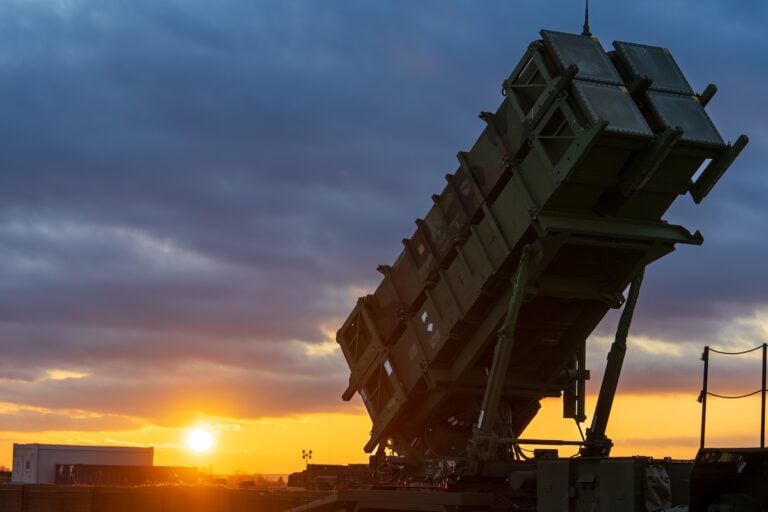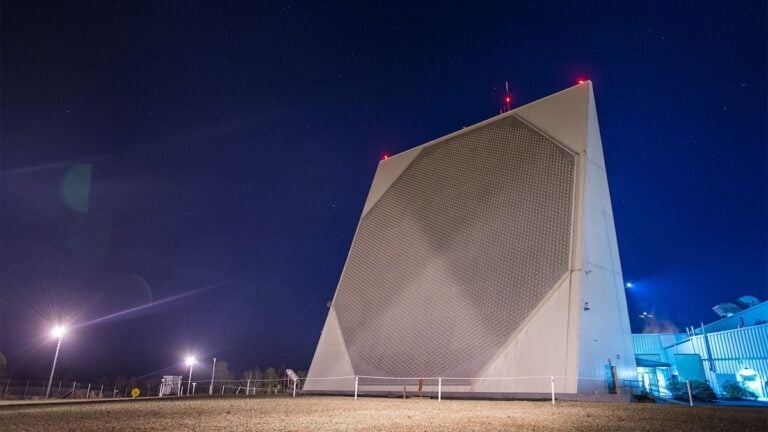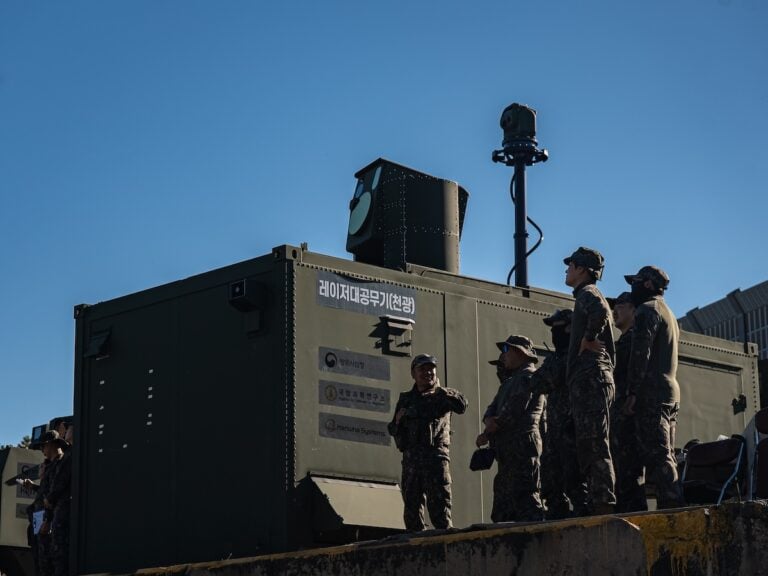

The Marine Corps said NMESIS and MADIS are part of its Force Design initiative and represent a step forward in modernization. The systems are intended to improve the ability of Marines to operate in contested coastal and maritime areas.
NMESIS is a ground-based offensive anti-ship missile system used for sea denial and littoral protection. The system is described as a highly mobile and rapidly deployable island defense capability.
MADIS is a short-range, surface-to-air system for Low Altitude Air Defense Battalions. It is designed to deter and neutralize unmanned aircraft systems as well as fixed-wing and rotary-wing aircraft.
The 3rd Marine Division’s 3rd Marine Littoral Regiment, based in Oahu, Hawaii, received NMESIS in November 2024 and MADIS in December 2024. The division later deployed both systems to the Philippines in support of Exercises Balikatan 25 and Balikatan 26.
NMESIS and MADIS also supported Resolute Dragon 2025. Their use in those exercises showed how the systems support Marine Corps operations across the Indo-Pacific region.
The 3rd Marine Division is focused on littoral operations and remains committed to enhancing its ability to operate in contested environments. The division also aims to enable the Joint Force while maintaining operational readiness and flexibility.
The Marine Corps said this readiness supports regional deterrence. It also contributes to the broader mission of maintaining peace and stability in the Pacific.