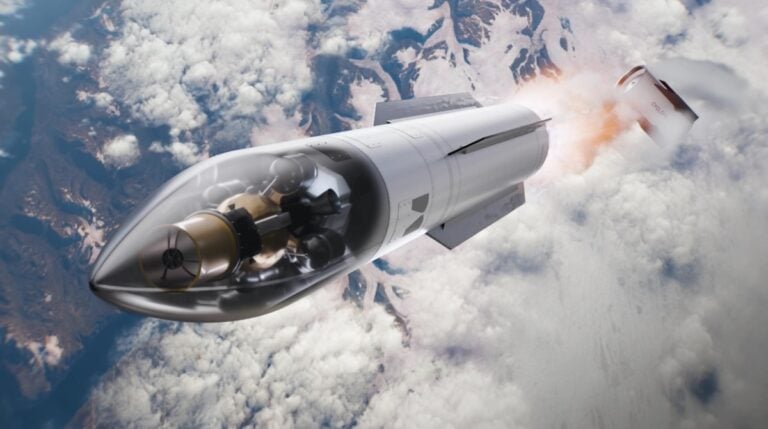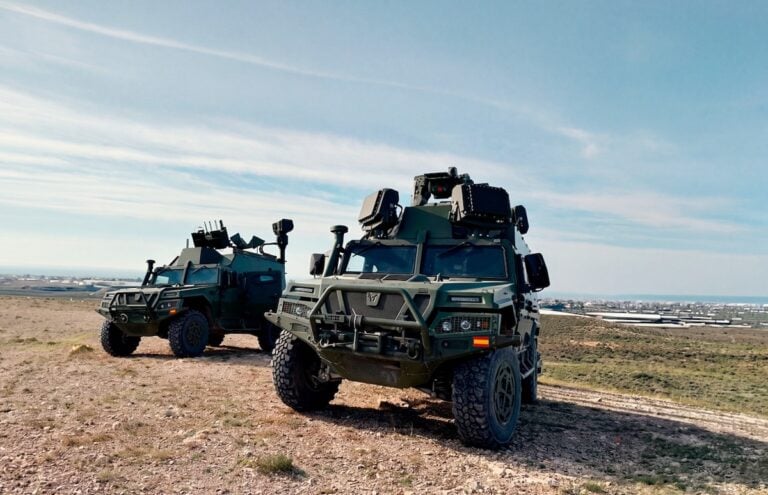

The 18 June strike was the largest Ukrainian drone attack on Moscow and the Moscow region since the start of the war. Ukrainian forces used long-range FP-1, Liutyi, Bober, Behemot, Morok and Bars unmanned aerial vehicles in the operation.
The drones hit the refinery as well as two shopping centres and a residential building near Moscow. Local authorities said air defence systems had neutralised more than 190 Ukrainian unmanned aerial vehicles.
The strikes damaged the ELOU-AVT-6 electric desalting and atmospheric-vacuum distillation unit, used for primary crude oil processing and rated at 140,000 barrels per day. They also damaged the KUPN combined crude processing unit.
Two vertical steel storage tanks, known as RVS tanks, with capacities of 30,000 cubic metres and 10,000 cubic metres were completely destroyed. Two additional 10,000-cubic-metre tanks were also damaged.
Thick smoke rose over the Moscow suburbs after the attack. The fire was brought under control only after several hours.
Ukraine’s General Staff later published satellite images showing the effects of the strikes. The images indicated that only several of the refinery’s dozens of storage tanks had been destroyed or damaged.
According to analysis by an OSINT centre, the largest explosion was most likely caused by a Russian anti-aircraft missile rather than a Ukrainian drone. Experts said that, after two consecutive attacks, the refinery could remain out of operation for at least several days.
The facility was then expected to return gradually to full capacity. The damage affected one of the main fuel suppliers for Moscow residents.
After the attack, signs of panic appeared in the city. Large queues formed at petrol stations.
The Moscow Oil Refinery, known as MNPZ, belongs to Gazprom Neft. Before the Ukrainian attack, it had an annual crude oil processing capacity of 11 million tonnes.
The refinery is the smallest facility with that level of processing capacity, covering only 284 hectares. Its share of the capital’s fuel market is 35%.
MNPZ supplies 40% of Moscow’s petrol demand and 50% of its diesel demand. It is also the main fuel supplier for airports near Moscow.