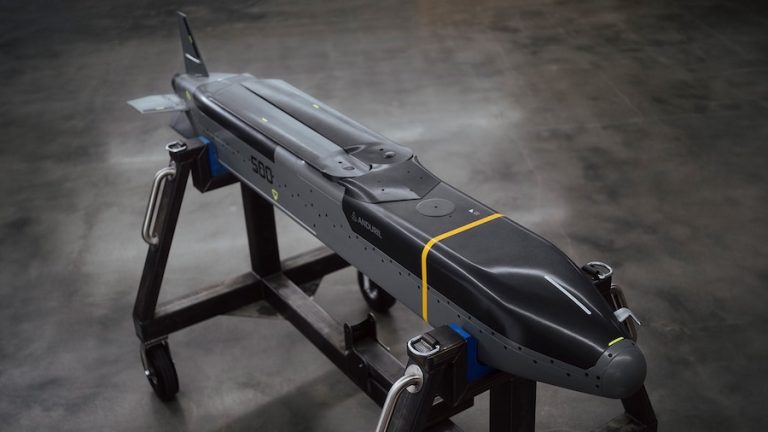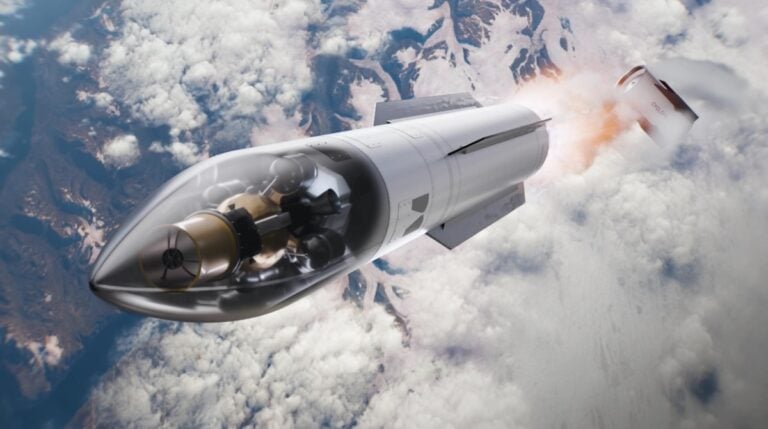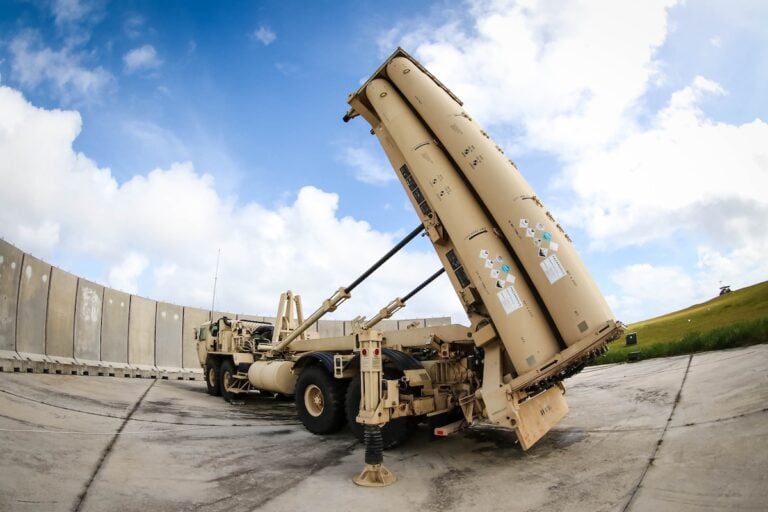

The UK Ministry of Defence said the investment will support the development of long-range precision weapons for NATO. The weapons are expected to be able to strike targets at least 300 kilometres away and, in some cases, beyond 2,000 kilometres with pinpoint accuracy.
The initiative is intended to strengthen NATO’s defence and deterrence capabilities and support a stronger European contribution to the Alliance. The UK has already committed £3 billion by 2030 to British deep precision strike capabilities under the Defence Investment Plan.
The ministry said the new initiative will allow European Allies to share expertise, technology advances and deepen industrial collaboration. It will also place deep precision strike at the centre of NATO’s defence agenda next year.
Prime Minister Keir Starmer said: “I am determined to ensure the safety of the UK and our Allies and to do that, we must step up to deliver a stronger, more European NATO.” “The UK is already working with partners to develop exquisite capability that will give our Armed Forces the ability to defend and deter thousands of kilometres from the front line, but this UK-led initiative will allow us to step up our cooperation, bringing European Allies together to ensure NATO remains safe and secure for years to come.”
“We must continue to work together as Allies to develop the capability of the future to bolster security and protect growth at home.” The ministry said Ukraine’s Armed Forces have shown that long-range systems can have major battlefield effects by degrading enemy forces far behind the frontline.
The ministry cited Ukrainian long-range strikes on key logistics hubs as having significantly affected Russia’s ability to sustain offensives. It said the UK’s £3 billion investment in long-range fires includes programmes with Germany and the trilateral Stratus project with France and Italy.
Stratus is the UK’s trilateral programme with France and Italy to develop the successor of Storm Shadow — one of our most battle-proven missiles.
The UK will put £1.4 billion into Stratus over the next four years. The project sustains more than 1,300 UK jobs at @MBDA_UK. pic.twitter.com/sSZrDl04I9
— Ministry of Defence ?? (@DefenceHQ) July 8, 2026
Under the Trinity House agreement, the UK is working with Germany on a Deep Precision Strike programme to accelerate stealth and hypersonic weapons with a range of more than 2,000 kilometres. The system is expected to enter service in the 2030s and is described by the ministry as among the most advanced ever designed in the UK.
The programme will initially focus on ground-launched capabilities. It will also explore air and naval capabilities to provide additional long-range deterrence and operational flexibility, with the UK investing £770 million in the joint capability over the next four years.
The UK is also working with France and Italy on Stratus, the next-generation successor to the Storm Shadow missile. The project is developing stealth and high-speed missile variants intended to defeat high-value targets, destroy enemy ships and suppress enemy air defences.
The UK is investing £1.4 billion in Stratus over the next four years. The ministry said the project already sustains more than 1,300 jobs in the UK at MBDA in Stevenage and Bolton.
The UK is also joining the Precision Strike Missile programme with the United States and Australia. The programme will equip the British Army with a supersonic ballistic missile capable of hitting targets up to 500 kilometres away.
Together, the programmes are intended to provide UK forces with a family of long-range strike capabilities from land, sea and air. The ministry said these capabilities will deter adversaries, defeat threats and strengthen UK and NATO security.
Defence Secretary Dan Jarvis said: “We are building the weapons of the future to keep the UK and NATO secure for decades to come, backed by billions of pounds and working with our closest European allies.” “Our new suite of deep precision strike weapons will give our forces the ability to strike targets hundreds of kilometres away with great accuracy – strengthening NATO and deterring our adversaries.”
“Our £298 billion investment in defence over the next four years is boosting readiness and ensuring our people have the kit and technology they need.” The ministry said Starmer will also underline at the summit the substantial threat Russia poses to the UK and NATO.
In the past two years, NATO has scrambled fighter jets more than 700 times to intercept Russian aircraft approaching allied airspace. The ministry also said Russian military activity around UK waters has increased by 30%.
The Prime Minister will stress that the UK does not seek confrontation with Russia but must be ready to defend every ally. The initiative is being presented as part of wider efforts to strengthen European defence and long-term deterrence.
Foreign Secretary Yvette Cooper said: “With deep precision strike capability, the UK and our allies will be able to hit high value military targets and the logistical engines that drive armies, deterring any aggressor and strengthening our mutual security.” “At Ankara we are sending a clear message to President Putin; NATO is stronger, more European and ready to defend our citizens against the long-term threat posed by him and the Russian state.”