The program forms part of the Army’s broader modernization effort to rapidly field commercially available unmanned systems. It also supports the development of the future Medium Range Reconnaissance program, which is expected to define the next generation of tactical unmanned aircraft systems.
Vector AI was selected following a competitive evaluation process that assessed aircraft performance, payload integration and interoperability with emerging Army software architectures. The initiative reflects the Army’s focus on deploying operationally proven systems that can evolve alongside future requirements.
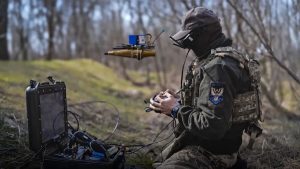
“Today’s battlefield demands unmanned systems that are adaptable, resilient, and proven in real-world operations,” said Dave Sharpin. “The Vector platform has logged more than 20,000 operational flight hours in Ukraine alone where operational use has helped refine its autonomy and mission adaptability in contested environments. Its modular architecture and open integration approach align directly with the Army’s push toward interoperable, rapidly evolving capabilities.”
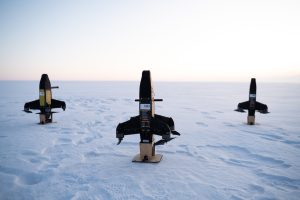
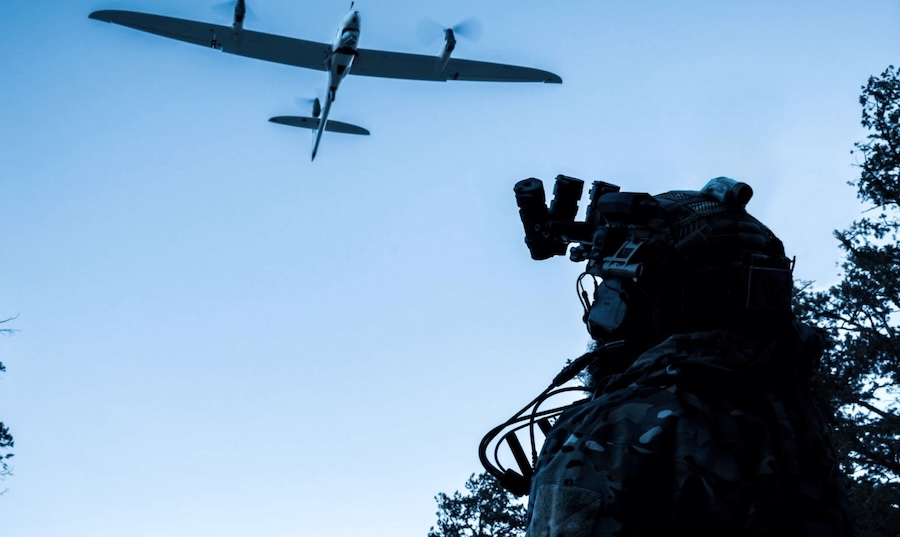
The Vector AI system provides real-time tactical intelligence through an electric vertical take-off and landing design. It combines runway-independent launch and recovery with the endurance of fixed-wing flight and can be deployed by a single operator in under five minutes.
The platform supports reconnaissance, surveillance and target acquisition through AI-enabled mission planning and advanced electro-optical sensing. Its design is intended to provide units with enhanced situational awareness at the tactical edge.
The system is engineered for contested environments, incorporating anti-jamming features and navigation capabilities that function independently of GPS. Its modular architecture enables rapid payload integration and interoperability with external systems, including battlefield management tools, to support target detection and tracking.