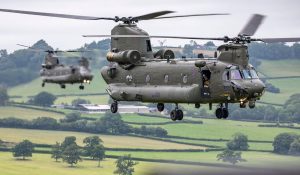


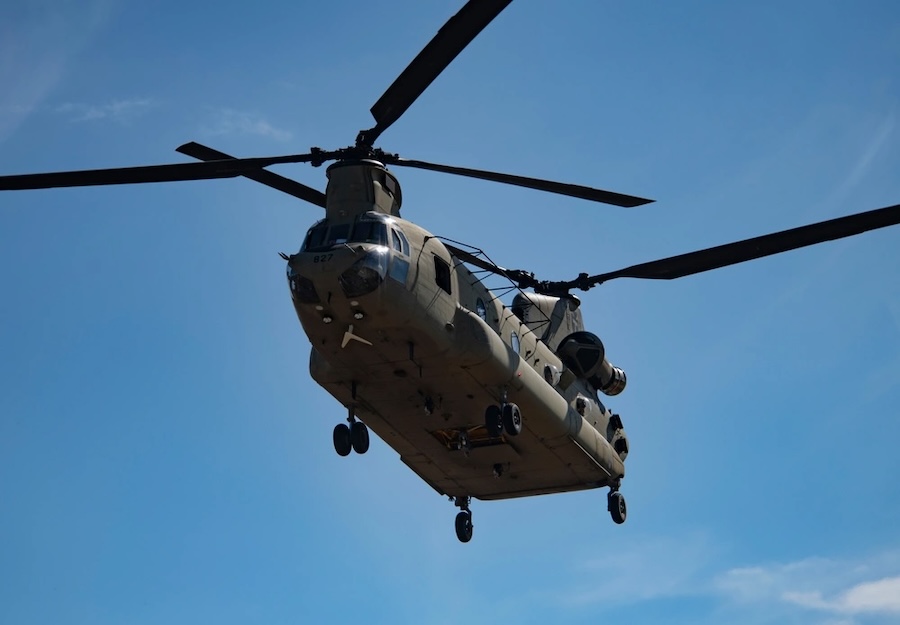
During the test, the aircraft used Boeing’s Approach-to-X technology and an upgraded Digital Automated Flight Control System to land with all four wheels on the runway without any pilot input. The company said the milestone demonstrated precise and repeatable autonomous landing capability.
Since its first flight on a U.S. Army CH-47F in January 2026, the system has completed more than 150 approaches. Final altitudes during testing ranged from a 100-foot hover to full landings on the ground.
Boeing said the software achieved an average final positioning error of less than five feet. The company said the technology is intended to reduce pilot workload and support automated tactical approaches.
“We built the interface and control laws around how pilots would naturally fly an approach,” said Deanna DiBernardi, H-47 Human Factors Engineering lead at Boeing. “Our goal is to reduce pilot workload so crews can maintain more eyes-out awareness in a tactical situation.”
Under the system, pilots select a landing zone, final altitude, approach angle and starting speed. The software then controls the aircraft and guides it to the designated landing point.
Pilots can still make manual adjustments to the aircraft’s course and glide path if operational conditions change. Boeing said the feature was designed to maintain flexibility in tactical environments.
The company said the system was developed through collaboration between pilots and engineers. Working groups helped redesign the interface, control laws and safety systems to align with pilot expectations.
Boeing plans to continue flight testing and refine the software before delivering a final version to the U.S. Army. The service is expected to integrate the capability into its fleet after testing is complete.
“Improving DAFCS is just one of the ways we’re making the Chinook even more capable than it already is,” said Heather McBryan, vice president and programme manager for Cargo Programs at Boeing. “The Army wants to add layers of optimally crewed capability quickly, and we’re working side by side with them to make those upgrades a reality.”