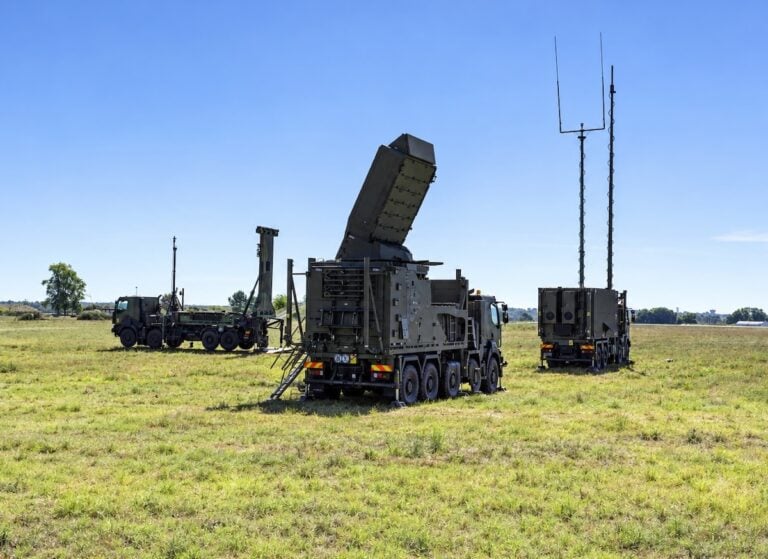
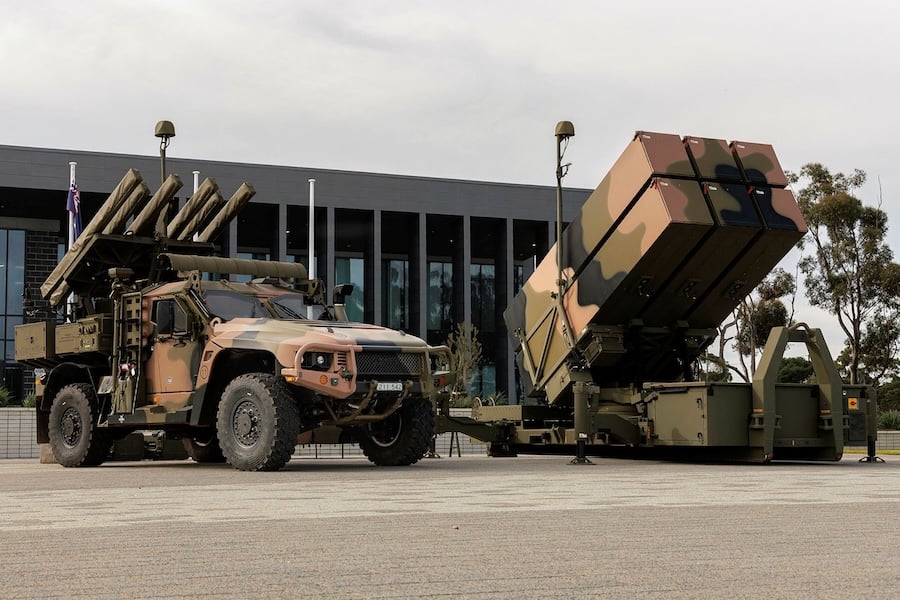
The system gives the Australian Defence Force a networked short-range air defence capability. It can detect, track and engage airborne threats approaching military personnel, assets and key infrastructure.
NASAMS was delivered through the Short Range Ground Based Air Defence project. It forms the inner layer of Australia’s wider integrated air and missile defence network.
That architecture brings together ground-based missiles, fighter aircraft and naval vessels. The aim is to give commanders a coordinated response to threats across the force.
“The achievement of Final Operational Capability for NASAMS marks a significant milestone in strengthening Australia’s integrated air and missile defence capability,” said Deputy Prime Minister and Defence Minister Richard Marles. “NASAMS provides Army with a modern, highly capable air defence system that enhances our ability to protect Australian Defence Force personnel, critical assets and infrastructure from a range of airborne threats.”
The declaration follows a phased entry into service. Soldiers from Adelaide’s 16 Regiment, Royal Australian Artillery, completed training and live-fire activities before the system received its final clearance.
Australian-designed radar technology from CEA Technologies is integrated into the capability. The radar allows the force to monitor the airspace and respond to emerging threats.
Domestic industry also integrated key components and will provide ongoing support and sustainment in Australia. The government said local companies played a central role in delivering the system.
“NASAMS demonstrates how Defence and industry are working together to deliver advanced capability and operational outcomes for the Australian Defence Force,” said Defence Industry Minister Pat Conroy. “Australian-designed radar technology is a key part of this capability, highlighting the important contribution local industry makes to Australia’s national security.”
“This air and missile defence capability strengthens Defence’s ability to protect Australian forces from modern airborne threats, including cruise missiles, aircraft, and drones,” Conroy said. He described the operational milestone as the culmination of years of collaboration between Defence, Australian industry and international partners.