Revenue rose to NOK 10.39 billion from NOK 7.92 billion. EBIT increased 49 per cent to NOK 1.67 billion.
The EBIT margin reached 16.1 per cent in the quarter. That compared with 14.2 per cent a year earlier.
Eirik Lie, President and CEO of Kongsberg, said: “Strong demand for Kongsberg’s technology and solutions, combined with good progress in key projects, contributed to a strong second quarter. Revenues increased by more than 30 per cent, while operating profit grew by nearly 50 per cent to NOK 1.7 billion.”
The company booked NOK 17.07 billion in new orders. That compared with NOK 11.19 billion in the same quarter last year.
Lie said delivery against the backlog remains the company’s top priority. He said it provides the foundation for continued profitable growth.
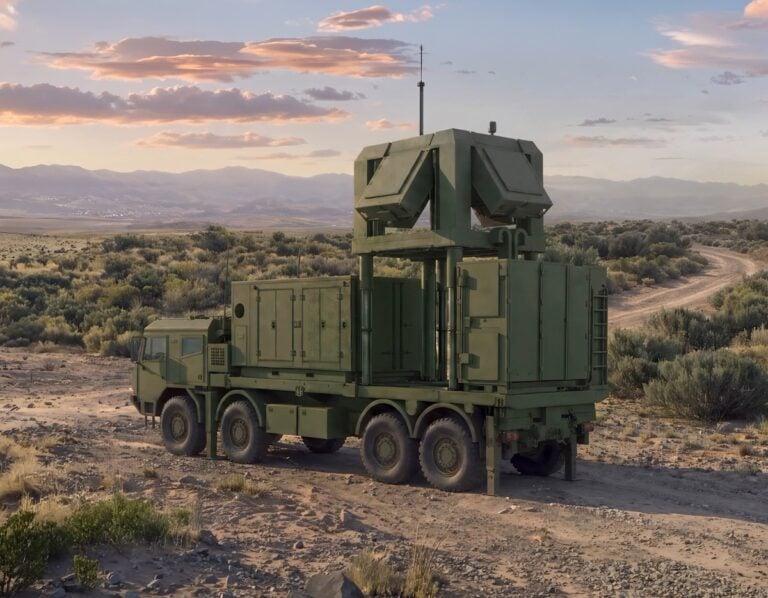
The quarter was supported by major air defence programmes. Counter-drone and missile programmes also lifted revenue.
Kongsberg said activity stayed high across all three divisions. Strong project execution helped convert demand into higher profitability.
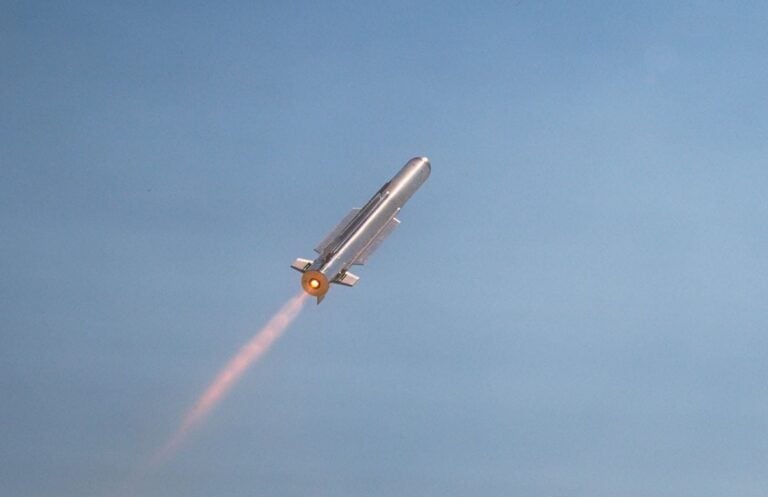
The Joint Strike Missile was a main driver of order intake. Kongsberg signed three separate missile contracts during the quarter.
“The quarter saw several significant contract awards, as well as increased sales to the United States and Germany, while Canada became the sixth nation to select the missile,” says Lie. The company said the missile activity showed demand from allied nations.
Kongsberg is a key partner in that submarine programme. The company supplies the combat system fitted onboard.
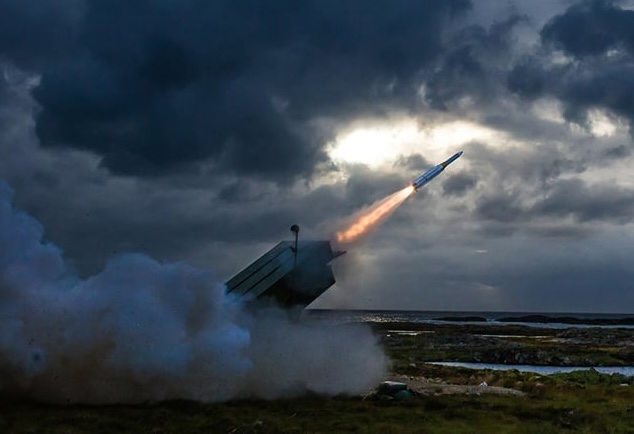
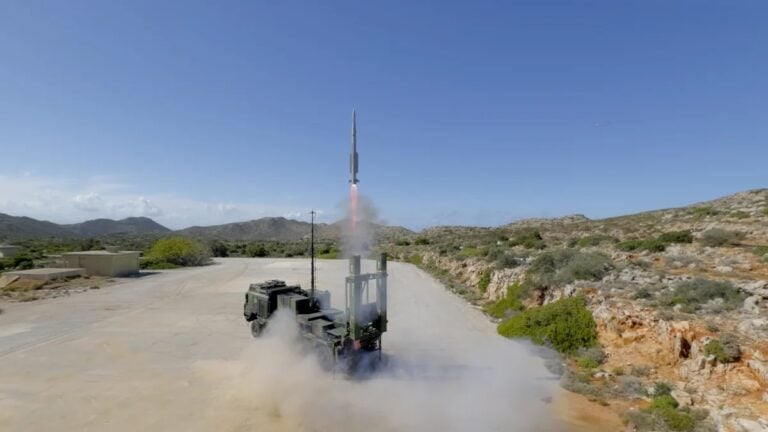
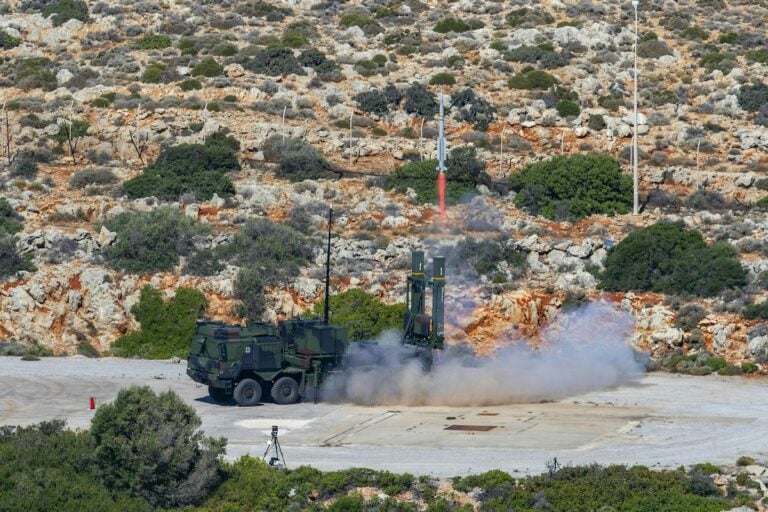
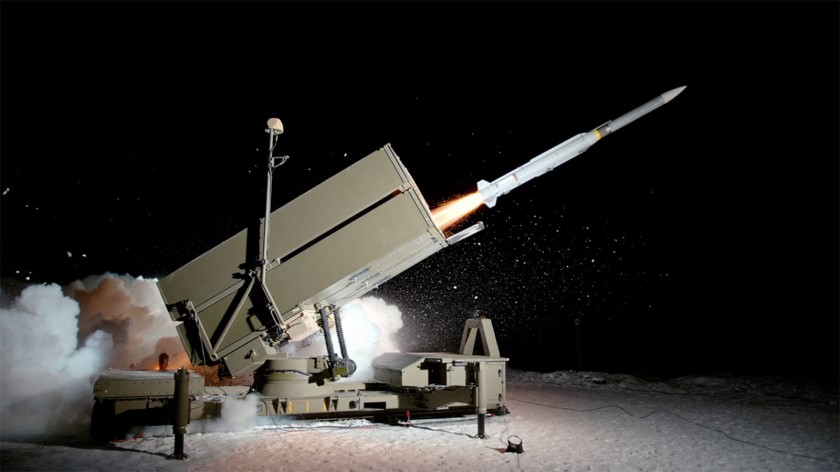
The air defence business also remained active. Belgium recently announced its selection of NASAMS.
Kongsberg also announced a major NASAMS agreement with Raytheon for Kuwait. The deal is valued at about $400 million.
That Kuwait order has not yet entered order intake. Kongsberg said it will be recognised after contract finalisation.
Lie also pointed to new growth areas beyond core weapons lines. He named space and subsea operations as new technology frontiers.
“We are experiencing growing interest in security both below the sea surface and in space, areas where Kongsberg is well positioned. During the quarter, we signed a contract with an undisclosed international customer for the monitoring and protection of critical subsea infrastructure,” says Lie.
Kongsberg said demand is rising for HUGIN autonomous underwater vehicles. Interest spans both civilian and military markets, including the U.S. Navy.
The company completed its acquisition of Zone 5 Technologies on 9 June. Kongsberg said the deal complements its existing product portfolio.
The acquisition adds systems designed for high-volume production. It broadens Kongsberg’s range from advanced missiles to scalable defence products.
At its Capital Markets Day on 10 June, Kongsberg set new targets. It aims to triple revenue to NOK 100 billion by 2029.
The company also targets NOK 150 billion in revenue by 2033. It aims for an operating margin of at least 16 per cent.
“Kongsberg has an ambition to increase revenues to NOK 100 billion by 2029 and NOK 150 billion by 2033. The order backlog and market developments we have seen in the second quarter, position us well to realise these ambitions. Kongsberg continues to deliver critical products and systems that strengthen national security and help safeguard sovereignty in a world that remains characterised by uncertainty and rapid change,” says Lie.
Kongsberg said its order backlog gives strong visibility in core markets. Those include missiles, air defence systems and weapon stations.
The company said it has capacity with suppliers to meet demand. It said current orders and future needs remain within its delivery plan.
Lie linked the growth outlook to continued geopolitical instability. He said Kongsberg supports national security, critical infrastructure and societal resilience.