The announcement followed a meeting in London on July 21 between the defence ministers of the UK, Italy, Japan and Canada. Italian Defence Minister Guido Crosetto, Japanese Defence Minister Koizumi Shinjirō, UK Defence Secretary Wes Streeting and Canadian Defence Minister David J. McGuinty discussed Canada’s participation in the programme.
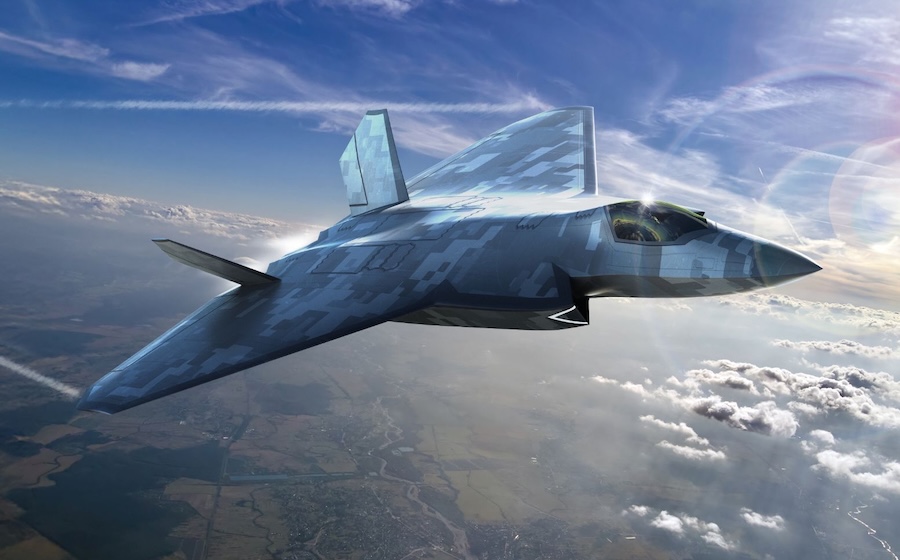
GCAP is intended to deliver a next-generation combat aircraft for future air superiority missions. The aircraft is being designed to operate alongside existing capabilities, including the F-35, and will use advanced autonomy, artificial intelligence, uncrewed systems and next-generation sensors.
Canada’s observer status gives it enhanced insight into GCAP governance, capabilities and the industrial framework behind the programme. It will also allow Canada to assess related security requirements and wider partnering opportunities.
The UK Ministry of Defence said the status gives Canada privileged access to GCAP and could support later discussions on future participation. The joint statement said Canada’s involvement would help align strategic priorities and deepen mutual understanding of future combat air ambitions.
Prime Minister Andy Burnham said: “As I said on the steps of Downing Street, we are going to honour our commitments on defence – and use that investment to transform people’s lives.” He added: “And we are going to work even more closely with our allies.”
“So today, we are not just recommitting to our state-of-the-art GCAP fighter programme – but I am delighted to announce that Canada will join the programme as the first Observer Nation,” Burnham said. “GCAP is already one of the world’s most ambitious defence and industrial partnerships – supporting 4,500 jobs across the UK. Today’s announcement makes it even stronger.”
The UK said GCAP already supports 4,500 jobs in the country, with thousands more expected as the programme advances. More than 600 organisations across the UK are involved in the supply chain, supporting advanced manufacturing, technology work, skilled jobs and apprenticeships.
“The first duty of any government is to keep our country safe,” Streeting said. “That’s why I’m pushing this programme forward on my very first day in the job. GCAP continues to strengthen our security, drive technological innovation and create highly skilled jobs across the UK.”
“We are proud to welcome Canada to this new phase of engagement and look forward to sharing expertise and working on technological advances as we continue to deliver this groundbreaking programme,” Streeting said. The ministry said Canada’s role builds on close defence cooperation with the UK as Five Eyes members and NATO allies.
The announcement comes alongside £8.6 billion of UK investment in GCAP over four years under the Defence Investment Plan. Earlier this month, the UK, Italy and Japan finalised a £4.6 billion contract with Edgewing, the industry joint venture, to advance the next design phase by setting requirements and carrying out testing.
The UK said the work supports its sovereign industrial base and skilled manufacturing jobs, while also supporting industries in Italy and Japan. GCAP brings together industrial and technology work in areas including digital engineering, advanced propulsion, sensors and data systems.
The joint statement said GCAP has been based since its inception on the principle that international collaboration delivers significant benefits. Italy, Japan and the UK also reaffirmed their commitment to openness, collaboration with like-minded partners and delivery of a next-generation combat aircraft for future security challenges.
For Canada, observer status creates a formal path to study the programme before any deeper role is considered. For the existing GCAP partners, it broadens engagement with a trusted ally while keeping programme control with the founding nations.