The UK government announced the package on 30 July 2026, with £5.9 billion allocated to BAE Systems in Barrow-in-Furness and £2.5 billion directed to the wider supply chain. The Alliance views the funding as a source of continuity across shipbuilding, nuclear propulsion and the supplier network supporting the Continuous At Sea Deterrent.
Alex McMillan, managing director of the Submarine Production Alliance, said: “DP4 is a major milestone for the Dreadnought programme because it takes the first boat right through into ready for service and the second boat ready for exit.” The phase will also take HMS Valiant to sea trials and continue fabrication and outfitting work on Warspite and King George VI.
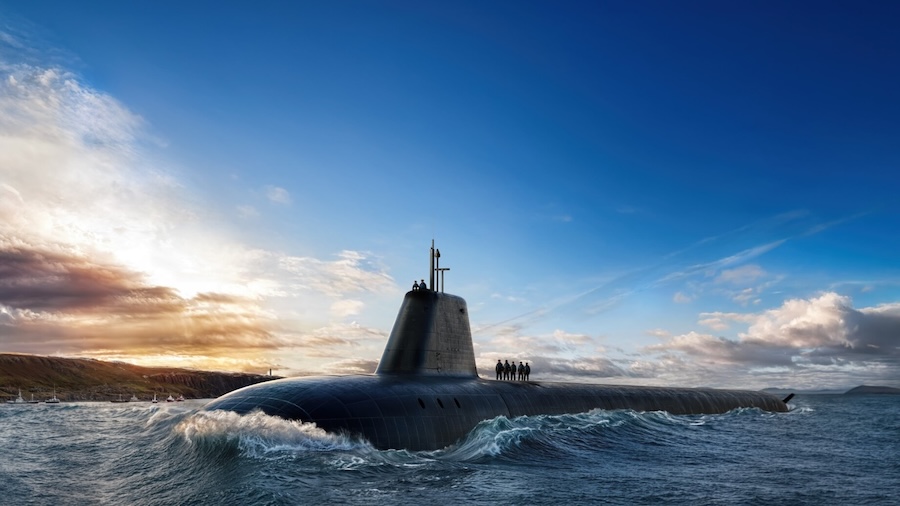
The four Dreadnought-class submarines will replace the existing Vanguard fleet and maintain Britain’s continuous sea-based nuclear deterrent. McMillan said: “This contract will act as the bedrock for the UK’s Continuous At Sea Deterrent.”
He added: “It sends a signal to both our allies and our adversaries that we are here in the long run in terms of a nuclear deterrent.” The assessment places delivery of the new fleet within Britain’s long-term security commitments to its allies.
BAE Systems is the programme’s industrial lead, whole-boat builder and platform technical authority. Rolls-Royce is responsible for the nuclear steam-raising plants, parts of the secondary propulsion systems and support for reactor equipment throughout its service life.
The Alliance says no single organisation could deliver a programme of this scale independently. Its partnership model is intended to combine specialist capabilities, manage risk and address technical and production challenges more effectively.
Charles Woodburn, chief executive of BAE Systems, said: “The Dreadnought programme is of vital strategic importance to the UK, underpinning the security of our nation and our allies for decades to come.” He added: “Its delivery depends on the strength of our national industrial base, with thousands of skilled workers right across the country playing their part in the mission to deliver this critical capability to the Royal Navy.”
The programme supports about 30,000 jobs across Britain, including more than 7,000 positions at BAE Systems. McMillan said: “There are tens of thousands of highly skilled jobs in the UK today working in Dreadnought, and these will continue for several more years with this funding that we’ve now received.”
Productivity at BAE Systems’ Barrow shipyard has increased by 40% over the past three years. The company has invested £1 billion at the site, while its workforce has expanded from 11,000 to about 16,000 over four years.
The wider Defence Nuclear Enterprise currently supports about 47,000 British jobs and more than 6,000 UK-based companies. Employment is forecast to reach 65,000 by 2030, while the enterprise is expected to support 22,000 apprenticeships by 2035.
For the Alliance, DP4 establishes a route from construction to service for the first Dreadnought boats while sustaining work on the remaining submarines. The funding is also intended to keep shipbuilding capacity, nuclear propulsion expertise and supply-chain resources aligned until the new class replaces the Vanguard fleet.