

The European defence company presented the concept at Farnborough on 20 July 2026. It is designed to protect high-value military and infrastructure sites.
Destinus said Vorexon addresses a missing layer in European integrated air defence. The concept focuses on engaging only projectiles predicted to hit defended areas.
The system is not intended to shield an entire front. It is designed around command posts, air-defence radars, batteries, ammunition stores, bridges and logistics hubs.
The company linked the requirement to lessons from Ukraine. Heavy artillery fire has shown the cost limits of intercepting every incoming round.
Destinus said the operational answer is selective point defence. That means identifying the smaller number of threats heading for priority assets.
Vorexon is intended to operate inside an integrated sensor and fire-control network. External radars would detect, track and classify incoming projectiles.
Those sensors would calculate predicted impact points and rank threats. Engagement decisions would remain under operator command.
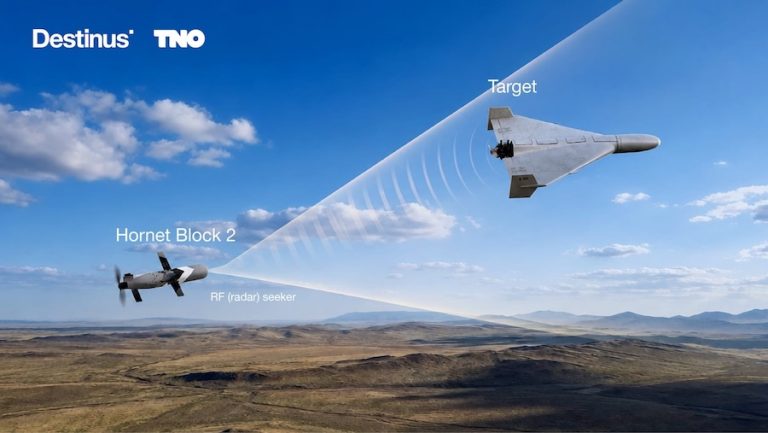
After launch, the interceptor would receive midcourse updates. A planned active radar seeker would support terminal homing.
Destinus said warning times may be measured in tens of seconds. Sensor coverage, track quality and engagement geometry will therefore shape performance.
The current concept targets a speed above Mach 2. It also aims for a maximum engagement range beyond 20 kilometres.
The final envelope will depend on the target and trajectory. It will also depend on sensor data and launch geometry.
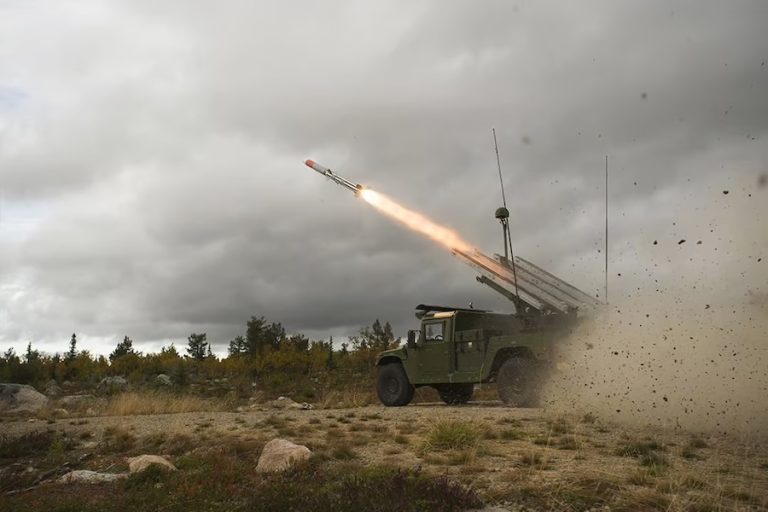
The interceptor is planned for mobile or fixed multi-round canister launchers. That design supports distributed protection and high ready-round density.
Cost is central to the Vorexon concept. Destinus said artillery rockets are cheap enough to strain expensive defence systems.
The company wants Vorexon to keep the cost exchange favourable to defenders. The same architecture could also cover selected subsonic threats.
Those possible secondary threats include cruise missiles and glide bombs. Vorexon remains optimised for artillery rockets and selected shells.
Vorexon is still at concept stage. Destinus is targeting a major development milestone in 2027.
“Ukraine has shown that the objective cannot be to intercept every artillery round. It must be to identify the small subset projected to strike critical assets and defeat those projectiles,” said Mikhail Kokorich, CEO of Destinus.
“Vorexon is being designed for that mission: a fast, scalable European point-defence layer against artillery rockets and selected shells, protecting the radars, command posts, ammunition stores and logistics nodes that must keep operating when seconds matter. Point defence only works if commanders can protect every critical site at a cost the adversary cannot outpace.”
The Farnborough preview sets out Destinus’ proposed system architecture. It also shows the company’s path towards serial production for European point-defence missions.