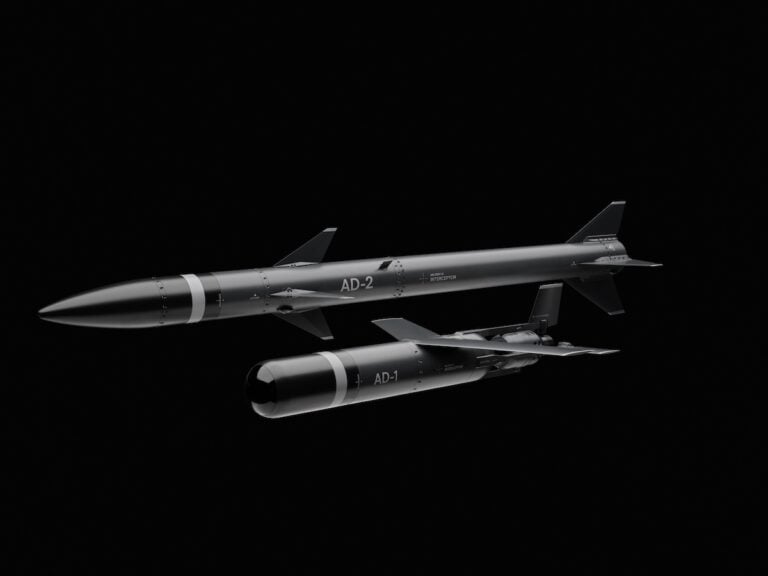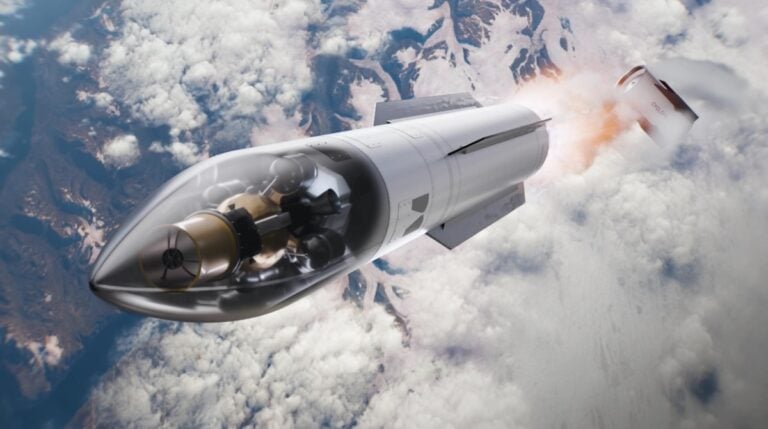
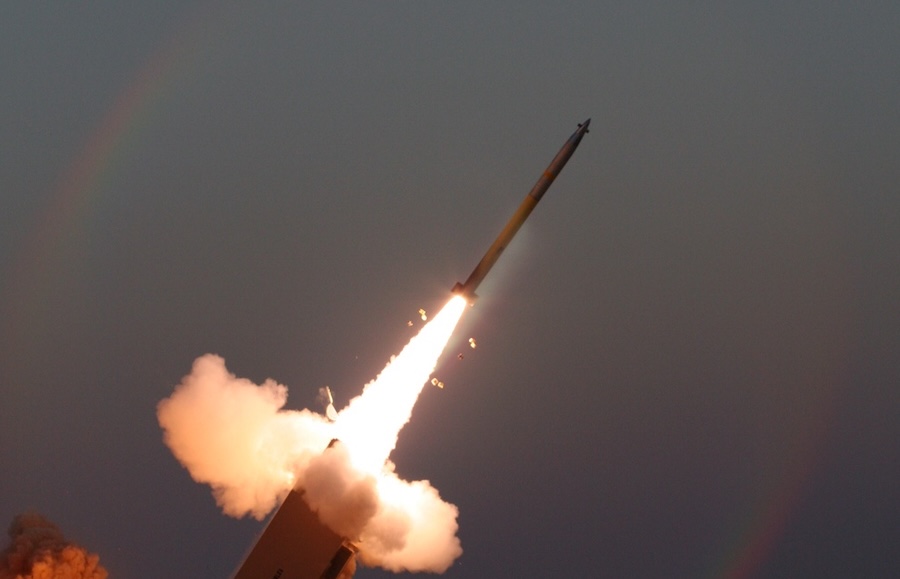
Taiclet disclosed the development during Lockheed Martin’s second-quarter 2026 earnings call, identifying the weapon as a newly developed GMLRS successor with twice the range of the existing system.
The weapon described by Taiclet is the ER GMLRS, or Extended-Range Guided Multiple Launch Rocket System, although the CEO did not use the ER GMLRS designation during his remarks.
“Alongside THAAD, the Army awarded a GMLRS production contract at $3 billion, covering the current version and its newly developed successor, which will have twice the range from the same launcher,” Taiclet said.
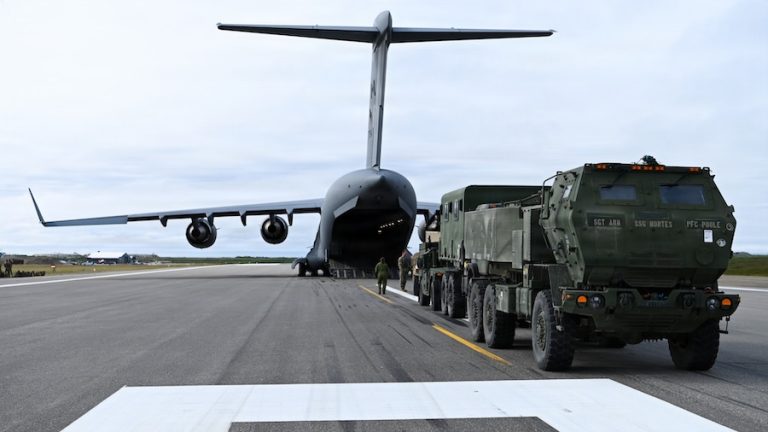
The ability to extend the missile’s reach while retaining compatibility with the same launcher is a central feature of the capability described by Taiclet, allowing the Army to gain additional range without introducing a separate launch architecture.
Taiclet did not specify the ER GMLRS maximum range, production quantities or delivery schedule during the earnings call, nor did he provide additional technical details on the new munition.
The $3 billion GMLRS award was one of several major munitions contracts Taiclet highlighted while discussing the expansion of Lockheed Martin’s missile business, alongside a seven-year THAAD agreement and a HIMARS award valued at up to $1.1 billion for the U.S. Army, Marine Corps and as many as five allied countries.
“Stepping back, these awards are less about any single program than about what they’re building in aggregate,” Taiclet said, adding that they strengthen the U.S. production base through additional manufacturing capacity, sources of supply and surge capability.
The production push is already feeding into Lockheed Martin’s financial performance, with Missiles and Fire Control reporting a 19% year-over-year increase in second-quarter sales and a 24% rise in profit while management pointed to an accelerating cadence of munitions production.
Lockheed Martin raised its full-year sales outlook for Missiles and Fire Control to between $16.5 billion and $16.9 billion and projected profit of $2.3 billion to $2.35 billion, while first-half sales in the segment rose 14% from a year earlier.
Chief Financial Officer Evan Scott said Missiles and Fire Control is leading growth across the company and described expanding munitions capacity as Lockheed Martin’s top capital priority.
“Expanding munitions capacity as quickly as possible is our top priority,” Scott said, adding that the company is pursuing the most efficient ways to increase output.
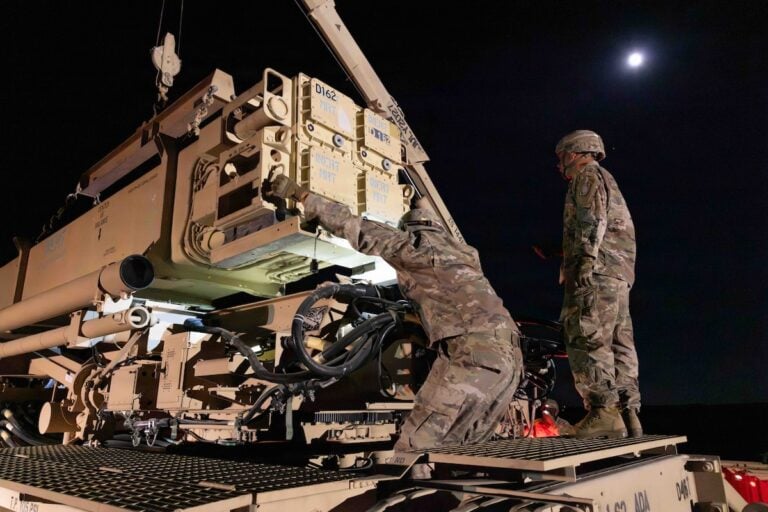
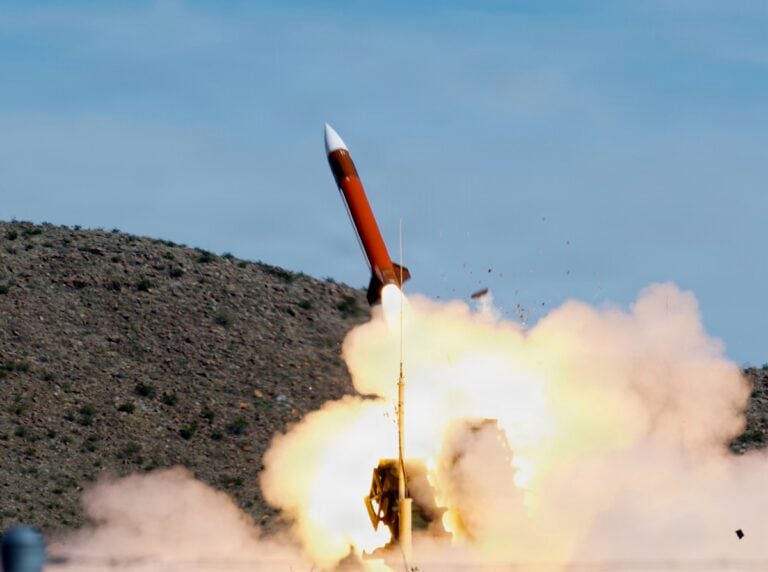
The challenge extends across several of Lockheed Martin’s largest missile programs, with Taiclet saying the company is being asked to triple PAC-3 MSE production, quadruple THAAD production and increase PrSM output faster than previously anticipated.
“We’re using every card in the deck to get that, we call it the ramp in this space here, the ramp rate as high as we can, as fast as we can, as efficiently as we can,” Taiclet said.
Taiclet also said the U.S. government is providing Lockheed Martin with greater flexibility than under traditional acquisition practices to help the company accelerate production, describing the message from senior defense leadership simply as “Faster, faster.”
For the GMLRS family, the $3 billion Army award combines continued production of the existing munition with the transition toward ER GMLRS, giving Lockheed Martin a production framework for a weapon designed to deliver twice the range while retaining launcher compatibility.