The potential variant comes alongside intensive discussions between Lockheed Martin and Ukrainian authorities in October over weapons supplies, maintenance and aircraft availability. Ukraine wants to improve the fleet’s capabilities while expanding the domestic support network needed to sustain regular combat operations.
An active electronically scanned array radar could improve detection and tracking of small, low-flying targets, including attack drones and cruise missiles. A longer detection range could give pilots more time to respond, while the ability to track more targets simultaneously would support operations during Russian aerial attacks.
Integrating European guided bombs and cruise missiles could broaden the weapons available to Ukrainian F-16 crews. Development costs, the number of aircraft involved and the weapons to be integrated first have yet to be determined.
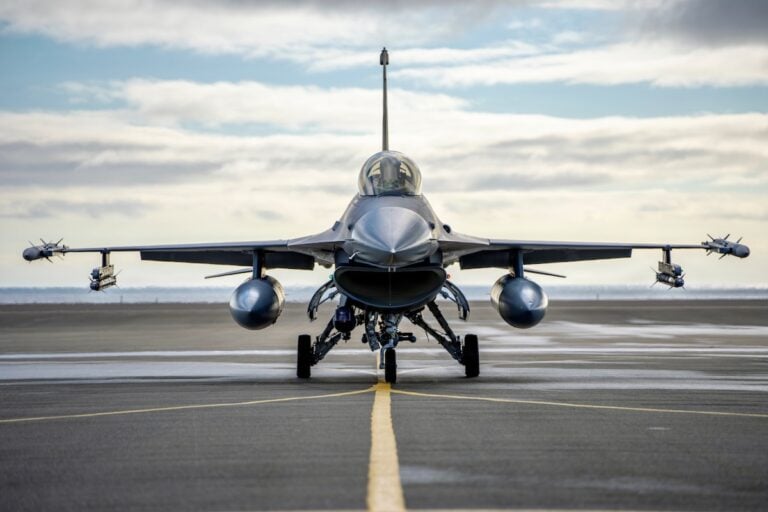
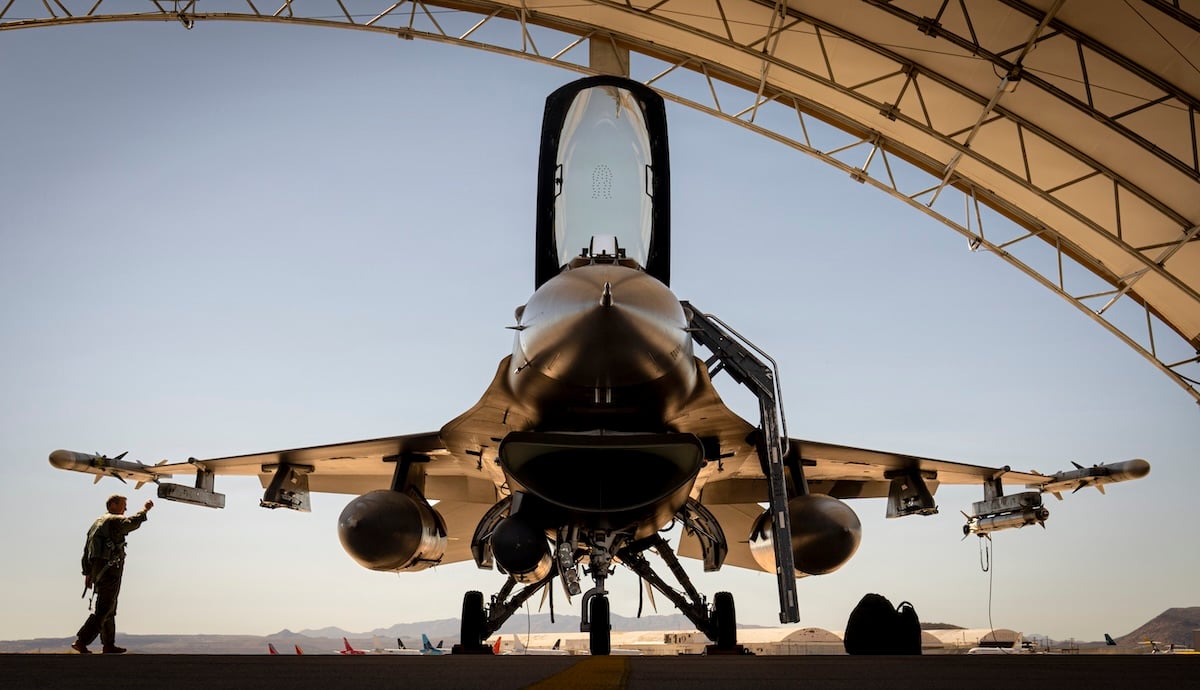
Ukraine received its first F-16s from European allies in 2024, drawing on older aircraft upgraded through the Mid-Life Update program. These fighters use mechanically scanned radars, unlike newer F-16 Block 70 aircraft equipped with AESA systems.
F-16s account for about 80% of Ukrainian Air Force combat sorties, and one Ukrainian F-16 wing is credited with destroying more than 1,000 Russian Shahed drones and cruise missiles. Sustaining that workload makes maintenance capacity an important part of the discussions alongside potential radar, range and weapons improvements.
Intensive flying accelerates wear on engines and airframes, while lengthy repairs reduce the number of fighters available for missions. Ukraine is seeking to spread maintenance across more locations and increase domestic industry’s role in supporting the fleet.
A dispersed maintenance network could shorten aircraft downtime and reduce the risks associated with concentrating fighters and infrastructure at a few bases. Those changes would support fleet availability while limiting exposure to Russian attacks on individual facilities.