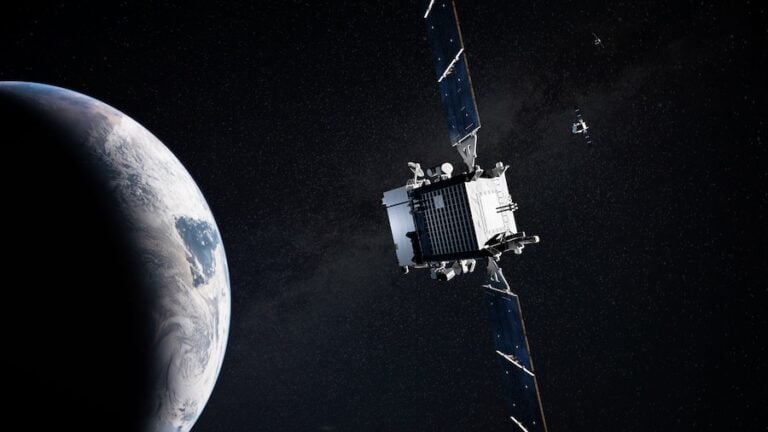

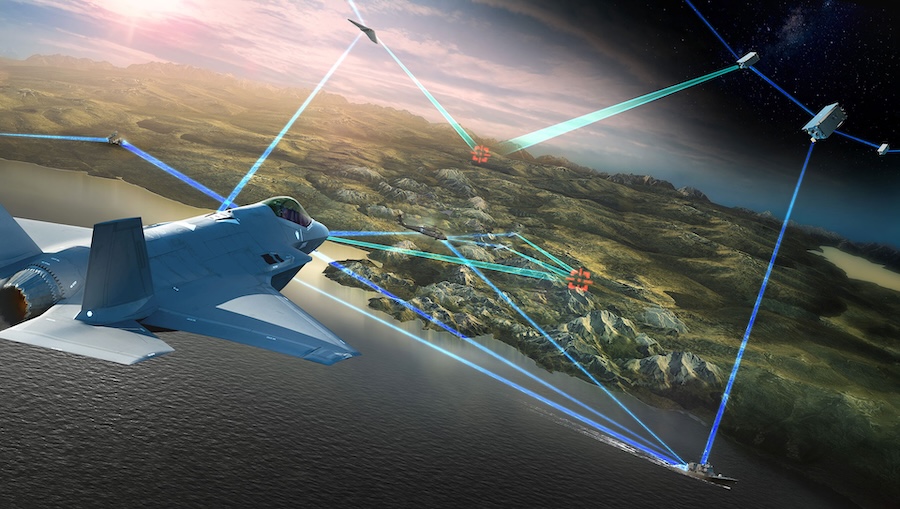
Under the architecture described by the company, an overhead persistent infrared satellite first detects a missile launch. F-35 aircraft then contribute tracking and targeting data as information moves through the wider defense network.
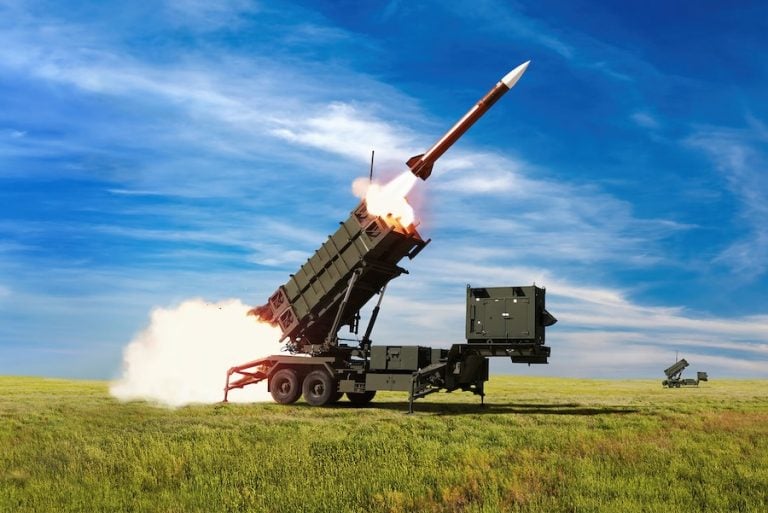
Lockheed Martin’s Command and Control, Battle Management and Communications system, known as C2BMC, distributes the resulting operational picture. THAAD and the Next Generation Interceptor are presented as the systems that complete the intercept chain.
The concept gives the F-35 a role extending beyond its traditional combat missions. Its onboard capabilities contribute information that can help the wider force identify, track and respond to missile threats.

Lockheed Martin said the architecture is designed to consolidate data from multiple domains into a unified operational picture. The company is emphasizing faster decision-making from initial threat detection through interception.
The company said the systems involved are not prototypes and are already being delivered to military users. It described the underlying technologies as supporting missions across the land, air, sea, space and cyber domains.
Lockheed Martin is also focusing on deploying the architecture at scale rather than developing a new concept from the ground up. The company said operational systems must be connected, maintainable, scalable and mission-ready.
Within that approach, the F-35 provides tracking and targeting information that can be shared with other elements of the missile defense network. Lockheed Martin said future defense architectures will depend on integrating such capabilities at scale to accelerate military decision-making.