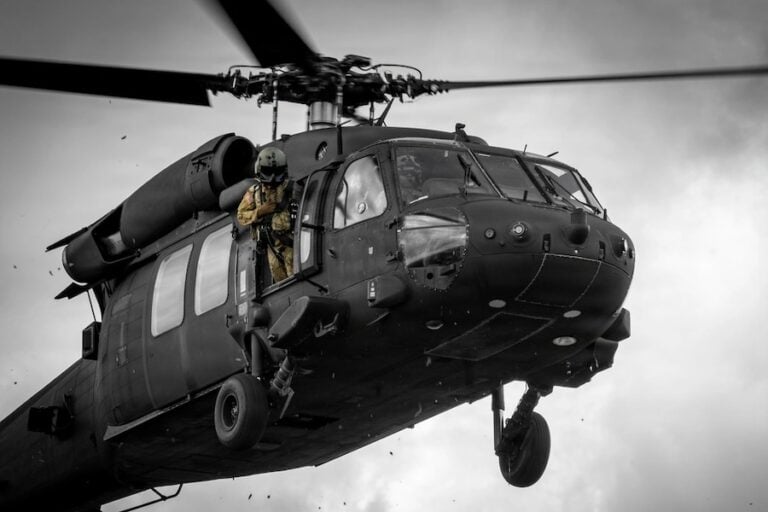
The arrangement links continued production to changing Army budgets and Foreign Military Sales demand. It is intended to shorten the path from an allied purchasing decision to delivery while avoiding a production interruption across Sikorsky’s 230-supplier network.
Sikorsky Vice President and General Manager Rich Benton said the agreement accommodates changes in annual requirements. “We’ve come to this structure to give the Army flexibility as their needs and budget change year-to-year, while maintaining a vehicle that can support FMS demand.”
The company expects the structure to support allied orders as individual sales cases mature. “This agreement turns a partner‑nation decision into aircraft on the ramp faster than conventional procurement allows,” Benton said.
The award came ahead of a previously published year-end objective. Lockheed Martin said it sustains manufacturing at Sikorsky and its suppliers across 43 states.
The initial 16 helicopters will be funded through congressional appropriations for fiscal years 2025 and 2026 and proceeds from the Black Hawk Exchange and Sales Transaction program. That program allows the Army to reinvest revenue from sales of older aircraft in new helicopters.
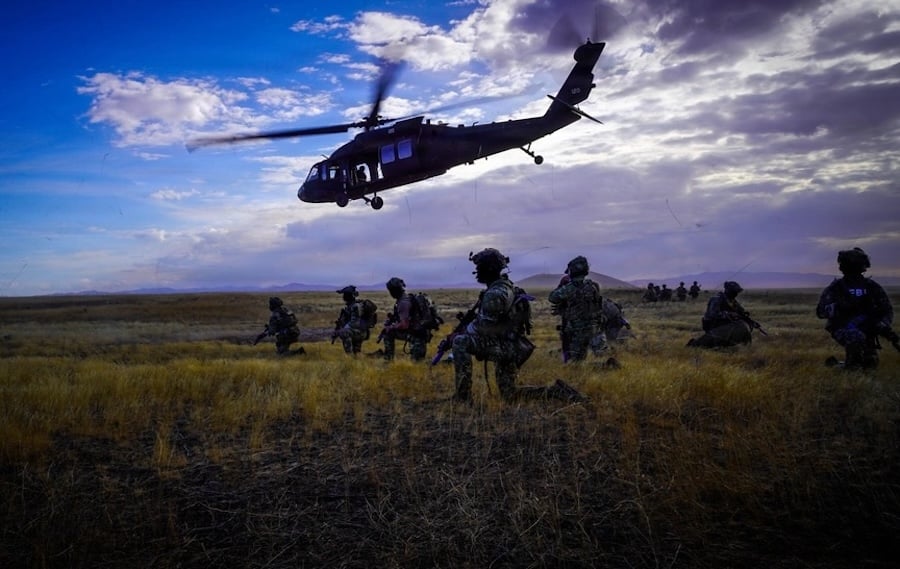
“This contract ensures we maintain a ready, modern and survivable rotary‑wing capability for the Army and our allies,” said Col. Ryan Nesrsta, project manager for the Utility Helicopters Project Office. “The Black Hawk has long been a vital part of the Army and National Guard’s flexibility and will continue to be so for the next half century.”
The procurement agreement accompanies a broader effort to expand the Black Hawk’s capabilities. Sikorsky is implementing a higher-horsepower engine and airframe enhancements intended to increase payload capacity and extend range.
Planned upgrades also include launched effects, autonomy and a digital backbone built on a Modular Open Systems Approach. Lockheed Martin said upgrading the existing fleet offers the quickest route to fielding new capabilities and positions the helicopter to remain operational into the 2070s.
More than 5,000 Black Hawks have been delivered to more than 36 allied nations, according to the company. The helicopters have logged over 15 million flight hours, including approximately 5 million combat hours, supporting air assault, medical evacuation, disaster response and border security missions.
The Black Hawk industrial base supports approximately 55,000 U.S. jobs, with Sikorsky spending more than $1.5 billion annually. Lockheed Martin has also invested more than $1 billion over the past 11 years in Sikorsky plants and research laboratories in Connecticut, Alabama, Florida and New York.
“The people who manufacture Black Hawk helicopters, including 230 suppliers, hold skills that take years to develop and are hard to rebuild,” said Ken Demaree, vice president, Army and Air Force Systems at Sikorsky. “This agreement means the Army and our allies have aircraft coming without a pause in production.”