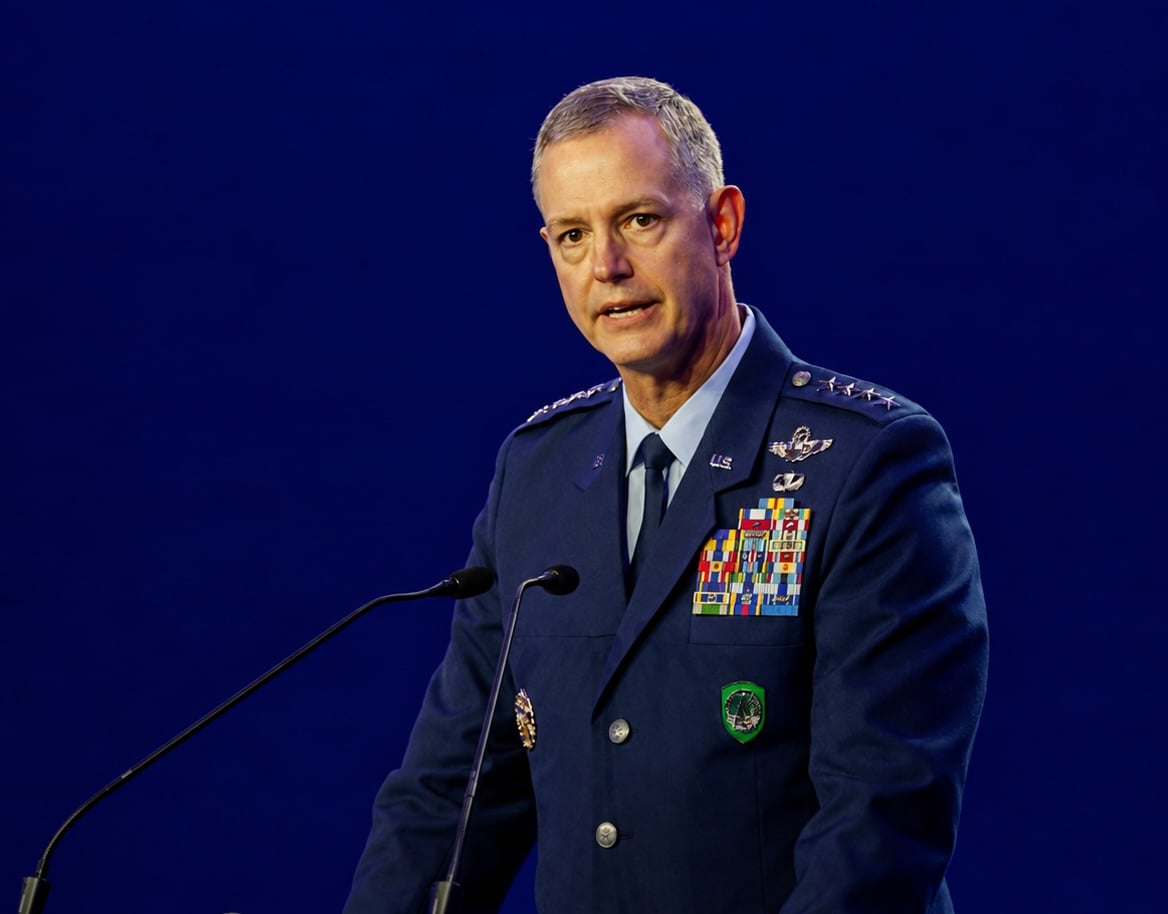
Grynkewich described his “Theory of Victory” as a shared vision for how NATO would deter aggression and defend its territory. It follows the Deterrence and Defence of the Euro-Atlantic Area strategy agreed by all 32 allies, but is not a military plan, he said.
“I do not assess that conflict is imminent or inevitable,” Grynkewich said. Preventing war requires clear communication of NATO’s defensive intentions and forces ready to respond to possible attacks, he added.
The approach has three stages: block the initial attack, blunt any continuing advance and break the attacking forces’ warfighting system if the offensive persists. Grynkewich said it draws on lessons from Ukraine and the Middle East, with intelligence collection and advanced algorithms helping NATO detect threats and position forces early.
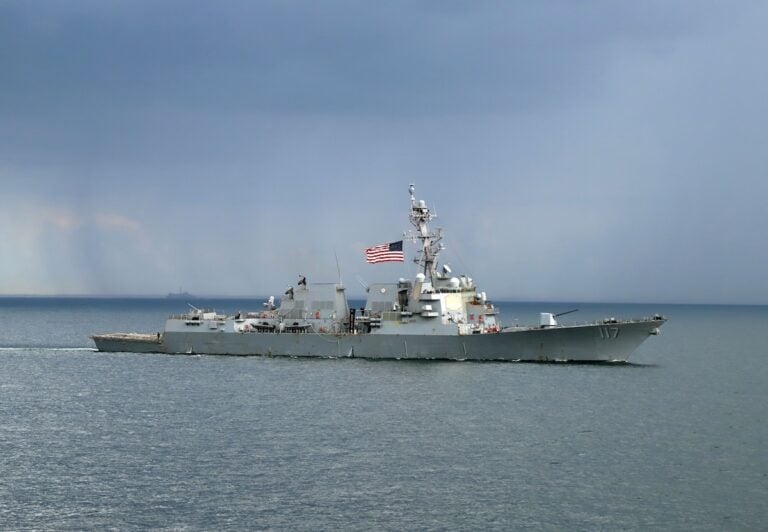
Land forces would engage advancing formations and prevent the seizure of allied territory. Air and naval forces, working with space and cyber forces, would seek air and maritime superiority and bring mass and precision against the attacker.

Sensors, autonomous systems and coordinated operations across military domains would aim to halt further advances. If the adversary continued the attack or committed reserves, NATO would target the attacking forces and the systems supplying, sustaining and controlling them.
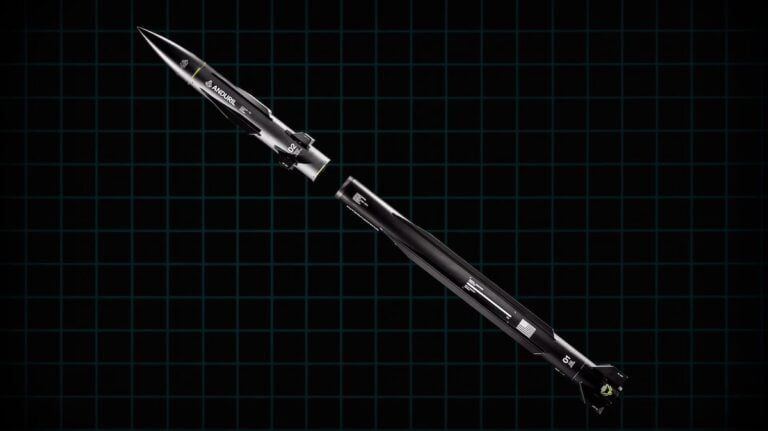
“To do this, we will layer high-end and highly effective precision munitions with an overpowering mass of affordable and scalable systems,” Grynkewich said. He described sustained kinetic and non-kinetic pressure to cut off supplies, disrupt command and leave enemy forces unable to continue the attack.
The objective would be the tactical and operational defeat of the forces attacking NATO, rather than a strategic defeat of the adversary. “Rather, we are only seeking to stop any attack in its tracks, to deny the ability to seize and hold our territory,” he said.
Grynkewich argued that this defensive purpose would leave responsibility for escalation with the aggressor. He said NATO must show that escalation would worsen the attacker’s military and political position, while threats or acts of escalation would strengthen allied unity.
He identified long-range precision strike capabilities, sensor networks and a warfighting cloud as investment priorities. Exercises would rehearse the three tasks, with eastern flank land forces practicing how to block attacks and air and maritime forces demonstrating how to blunt them.
Grynkewich also praised Poland’s defense spending, industrial expansion, military modernization and focus on societal resilience. He said NATO’s preparations to fight were intended above all to prevent war: “Our first goal is deterrence – avoiding conflict.”