
“Year-to-date, output across our critical munitions is up over 90% year-over-year, with material receipts at Raytheon up double-digits over the same period,” Calio told investors during RTX’s October 20 earnings call. Management did not identify the programs included in that figure or disclose production quantities for individual weapons.
The next expansion will support four multiyear contracts covering Tomahawk, AMRAAM, SM-6 and SM-3 IB. Calio said the agreements, worth approximately $70 billion combined, give Raytheon almost a decade of demand visibility and support increases of two to four times existing production rates.
Raytheon is ordering tooling and test equipment and preparing suppliers for the additional work. The company is also working with the Department of Defense to streamline testing requirements, improve manufacturability, address obsolescence and qualify new sources of supply.
“In 2025 alone, Raytheon added 150 new suppliers,” Calio said. “Right now, it’s about just removing any and all bottlenecks so we can get to these higher rates.”
Calio identified rocket motors among the supply constraints facing the company. RTX is expanding partnerships with motor manufacturers to spread supply risk, with no immediate acquisition planned in that sector.
“I think the demand is going to be incredibly high, and we need to continue to spread that risk across a number of suppliers,” he said. He also acknowledged that RTX competes with other industries, including the AI sector, for certain supplies.
Critical minerals are another priority, with government support helping RTX obtain long-term supply commitments. Calio said the company was working to ensure it had the materials needed for 2027 and beyond.
Chief Financial Officer Neil Mitchill said capital and other investments under the four missile contracts would take place over the next two to three years. He expects the ramp to gather pace over the next two years and continue through 2030, when the company reaches full-rate production across the suite of munitions.
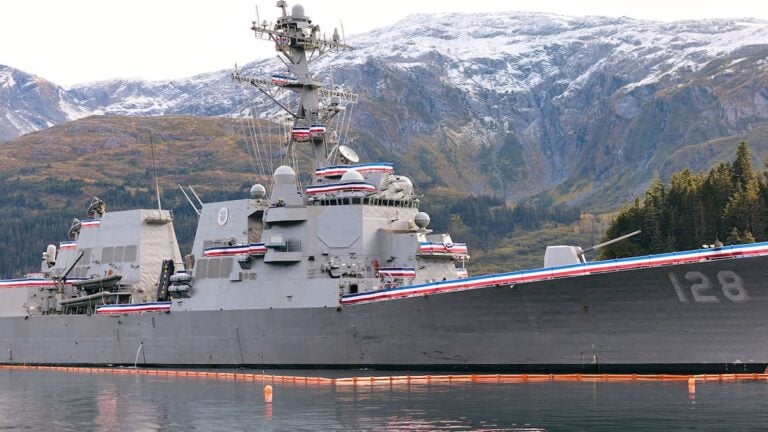
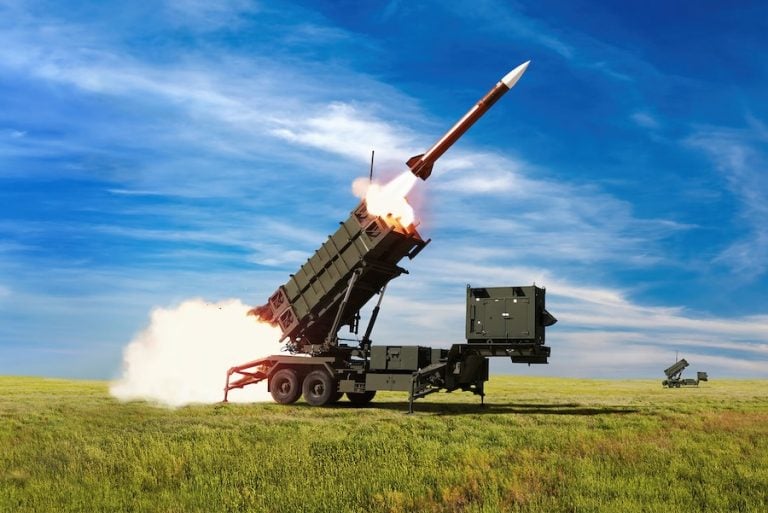
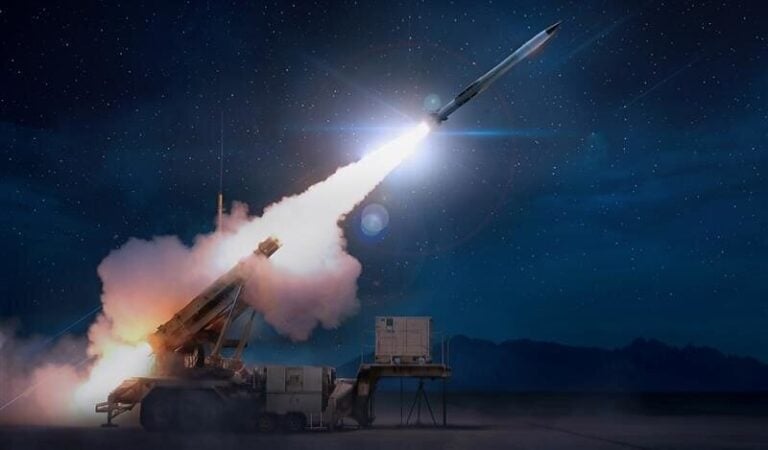
Higher volumes are already contributing to Raytheon’s sales, which rose 14% to $8 billion in the third quarter. Vice President of Investor Relations Nathan Ware attributed the growth to naval programs and land and air defense systems, including Patriot, Standard Missile and Tomahawk.
RTX raised Raytheon’s full-year sales growth forecast to the low teens from its previous range of high single digits to low double digits. The business ended the quarter with a $130 billion backlog after booking $52.3 billion in orders.