
The award forms part of a series of agreements between Raytheon and the Department of War to expand munitions production. Work will take place primarily at Raytheon’s facilities in Tucson, Arizona, and Huntsville, Alabama.
Raytheon President Phil Jasper said the contract would help replenish stocks and keep production aligned with operational needs. “SM-3 Block IB has proven its relevance in combat and this contract helps ensure we can replenish inventories and keep pace with the evolving threats the U.S. Navy, MDA and their partners face around the world.”
Second major interceptor award this month
The agreement is Raytheon’s second major interceptor production contract in October. Several days earlier, parent company RTX secured a $24.4 billion contract to produce SM-6 interceptors for the U.S. Navy.
Raytheon is one of the world’s largest manufacturers of advanced interceptors for missile defense systems. RTX has invested in expanding manufacturing capacity and accelerating production across the Standard Missile family and other munitions.
Replenishing a combat-used interceptor
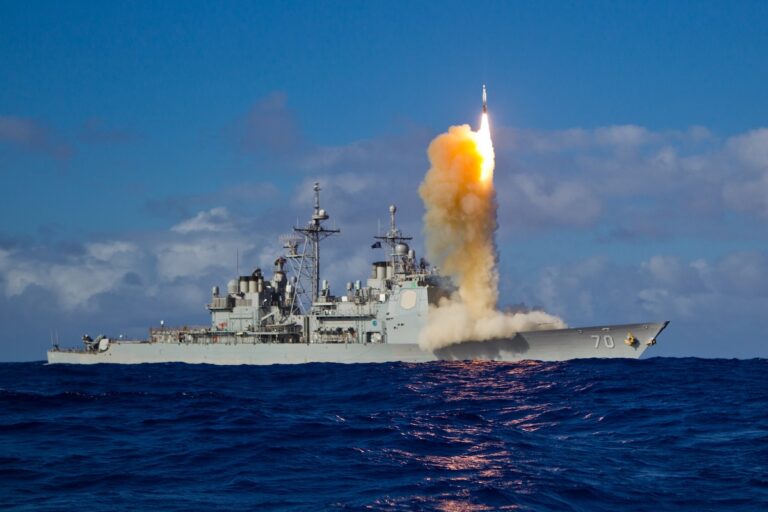
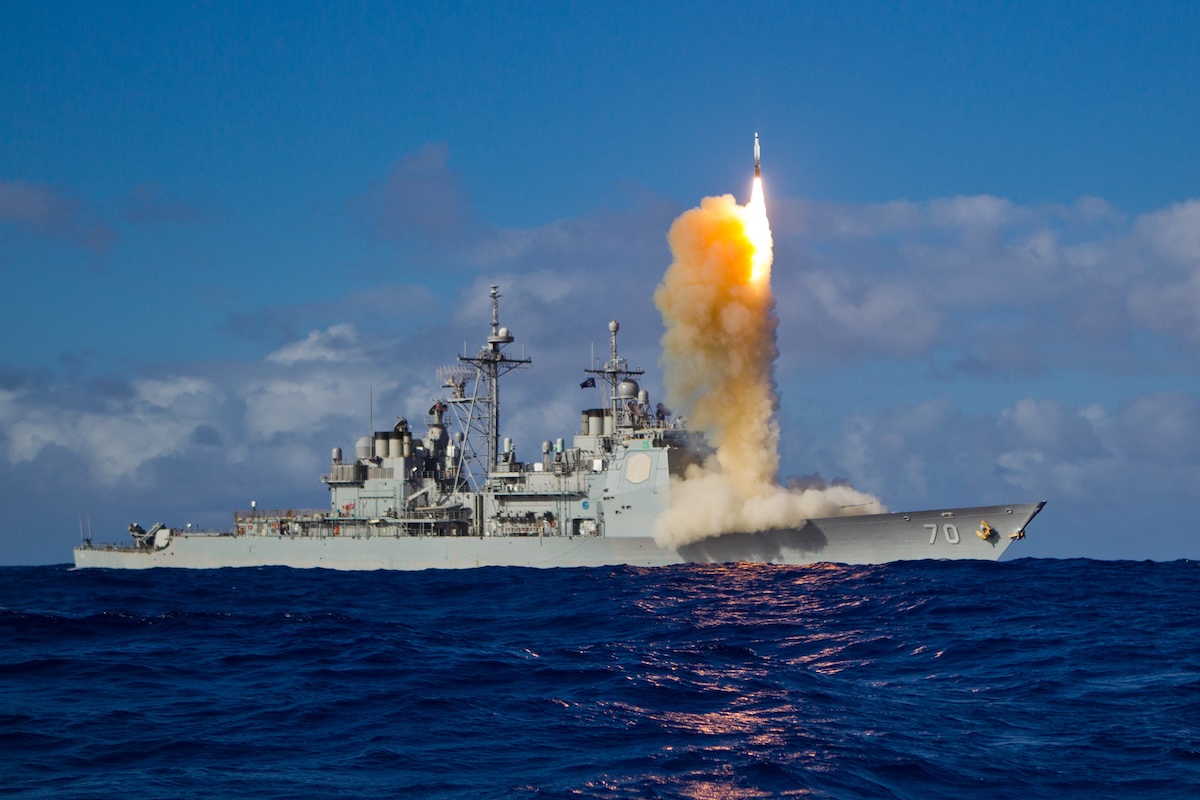
SM-3 Block IB is a ship- and land-based interceptor designed to defeat short- to intermediate-range ballistic missiles during the midcourse phase of flight. It was first used in combat in 2024.
The missile serves alongside SM-3 Block IIA and other Standard Missile variants in the U.S. Navy’s extended-range integrated air and missile defense capability. Raytheon said the replenishment effort supports the protection of U.S. forces, allies and critical infrastructure.