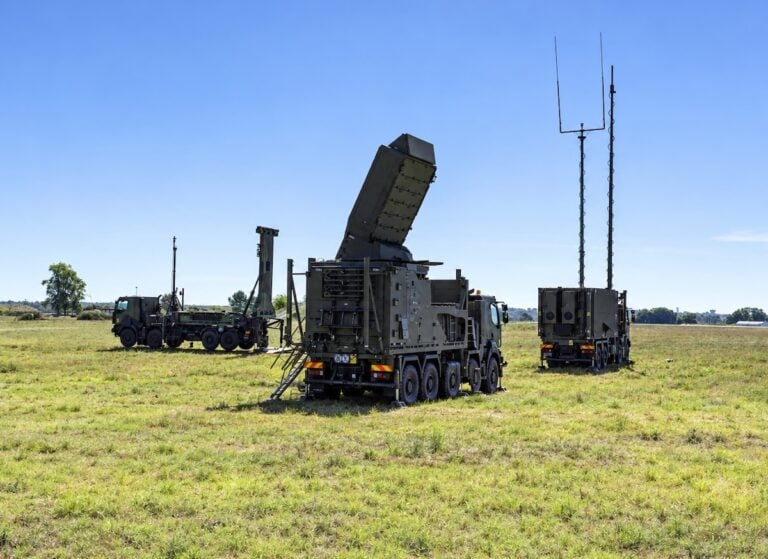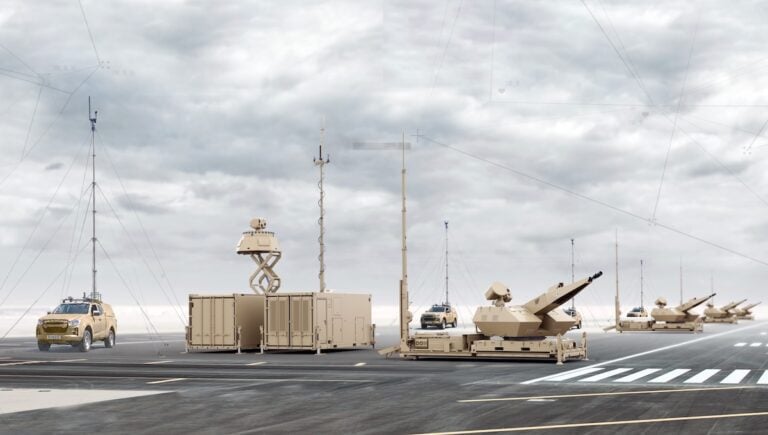
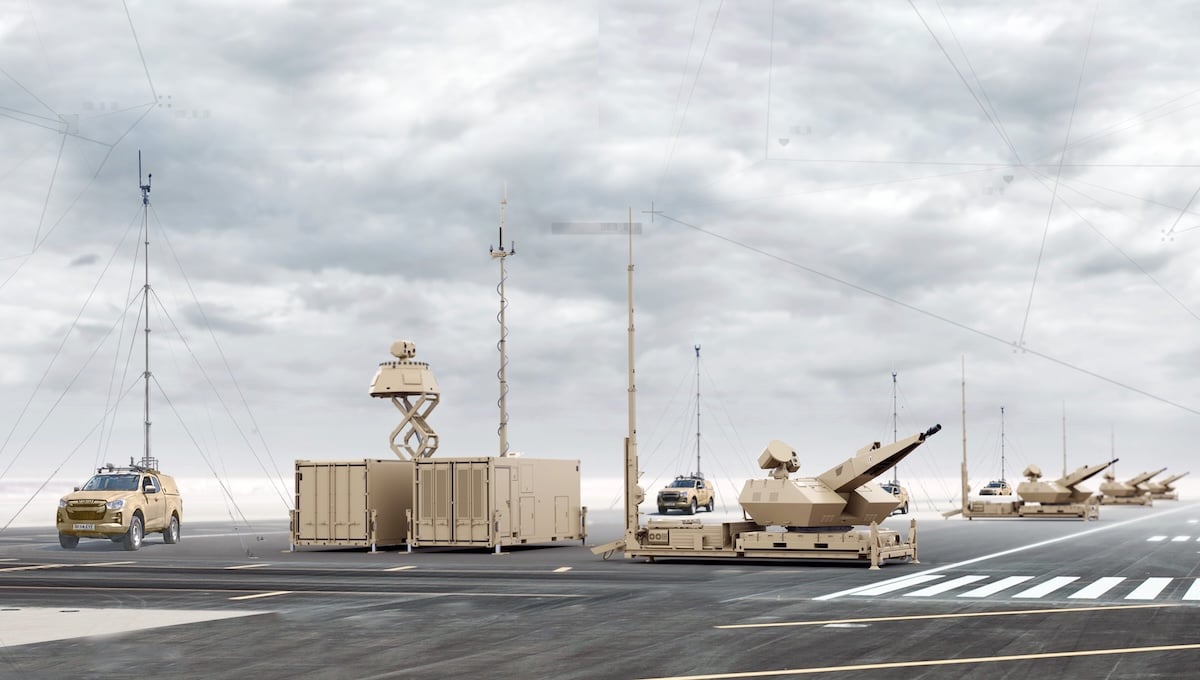
The RFeye sensors identify and locate aerial platforms by monitoring the electromagnetic spectrum, avoiding transmissions that could reveal their positions. Their integration into Skymaster is intended to give operators a more complete, persistent air picture and a recognised electromagnetic picture.
“Modern airspace is becoming more congested and more difficult to monitor, driven by the proliferation of unmanned aircraft and hard-to-detect aerial technologies,” said Roman Köhne, CEO of Rheinmetall Air Defence. “Traditional detection methods alone can struggle with identifying new and novel threats in complex operating conditions.”
Köhne said passive RF sensing would help air defenders respond more effectively to emerging aerial threats. The agreement addresses the need for earlier threat awareness and greater resilience as unmanned aircraft and other difficult-to-detect platforms make airspace monitoring more demanding.
“The agreement reflects a shared commitment to delivering resilient air defence systems for allied forces,” said Peter Moss, director of strategic NATO accounts at Silvus Technologies. “Combining RFeye technology and Rheinmetall’s air defence architecture gives operators critical situational awareness to inform quicker actions and safer decisions.”
Silvus, a Motorola Solutions company headquartered in Los Angeles, develops tactical networking and electromagnetic spectrum operations technologies. Rheinmetall Air Defence’s activities span system development and production, simulation, training and support services.