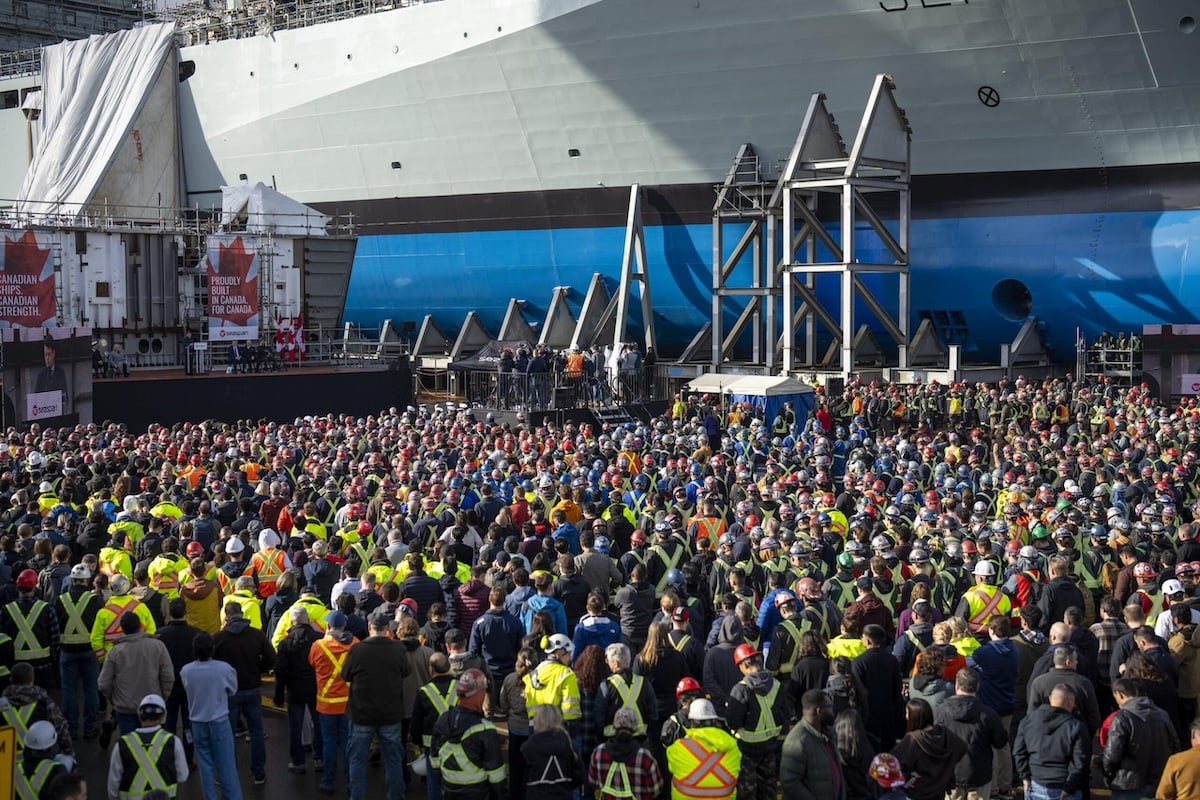
Construction began in April 2025 with the cutting of steel for the ship’s first polar block. The ceremony at Seaspan’s North Vancouver yard brought together government officials, Coast Guard representatives and more than 2,500 employees.
The vessel’s Polar Class 2 capability will allow it to operate farther north, in more difficult ice conditions and for longer periods than any Canadian icebreaker to date, according to Seaspan. Its missions will include supporting northern communities, conducting scientific research and responding to maritime emergencies, including search and rescue.
“As an Arctic nation, Canada must have the capability to assert its sovereignty where and when it matters most,” said Jill McKnight, Minister of Veterans Affairs and Associate Minister of National Defence. “The future CCGS Imnaryuaq will strengthen northern communities, support critical operations, and enhance scientific research.”
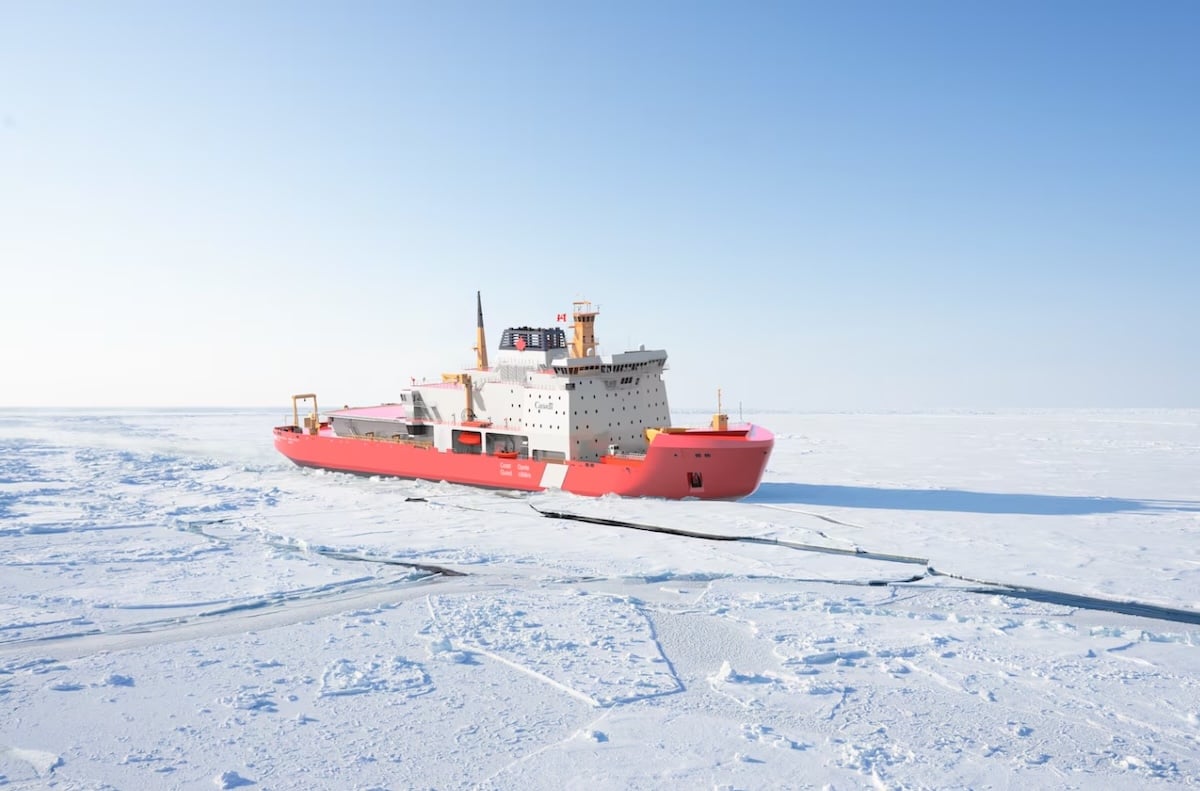
Designed to operate self-sufficiently in the high Arctic, Imnaryuaq will be 158 metres long and 28 metres wide, with a design displacement of 26,036 tonnes. It will accommodate up to 100 personnel and have diesel-electric propulsion, ice-classed azimuthing propulsion and 47 MW of installed power.
Scientific laboratories will support research, including work on climate change, while a moon pool will allow equipment to be deployed from within the ship. The design also includes a helicopter flight deck and hangar, a vehicle garage and provision for a future remotely piloted aircraft system.
“Today’s keel laying is an important step forward in the renewal of the Canadian Coast Guard fleet, as well as a meaningful demonstration of our ongoing partnership with Inuit,” said Kevin Brosseau, Senior Associate Deputy Minister of National Defence and Commissioner for the Canadian Coast Guard. “The CCGS Imnaryuaq, named to honour Inuit placenames and culture, will be a world-class icebreaker that will protect Arctic sovereignty and serve Canadians and communities across Inuit Nunangat for generations to come.”
Imnaryuaq is the seventh ship Seaspan is designing and building under Canada’s National Shipbuilding Strategy. The company’s Coast Guard construction programme includes up to 21 icebreaking vessels, among them up to 16 multi-purpose icebreakers.
Seaspan said its supply chain under the strategy has grown to more than 800 Canadian companies, with contracts totalling more than $3 billion. The company said its work under the programme had contributed more than $5.7 billion to Canadian GDP since 2011.
Squamish Nation members opened the ceremony by brushing the keel with cedar boughs and singing a blessing song as part of a traditional Coast Salish cleansing and purification ceremony. Two coins featuring designs by Indigenous artists from the Squamish and Inuit nations were placed near the hull, where they will remain for the ship’s lifetime.