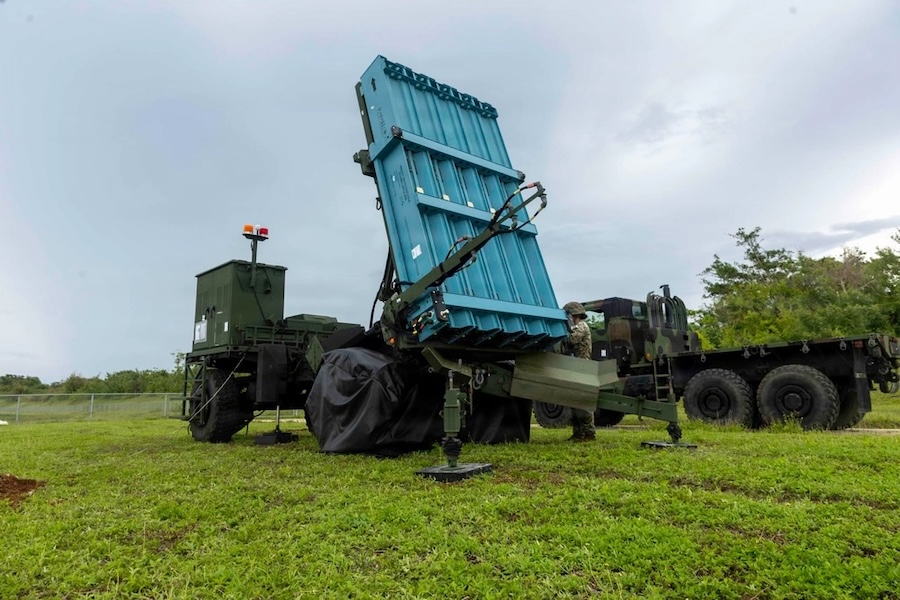
The Marine Corps said the test showed the joint force is not only training with existing tools but also fielding and validating next-generation technology needed for regional security. Valiant Shield 2026 is one of the largest multi-domain exercises in the Pacific.
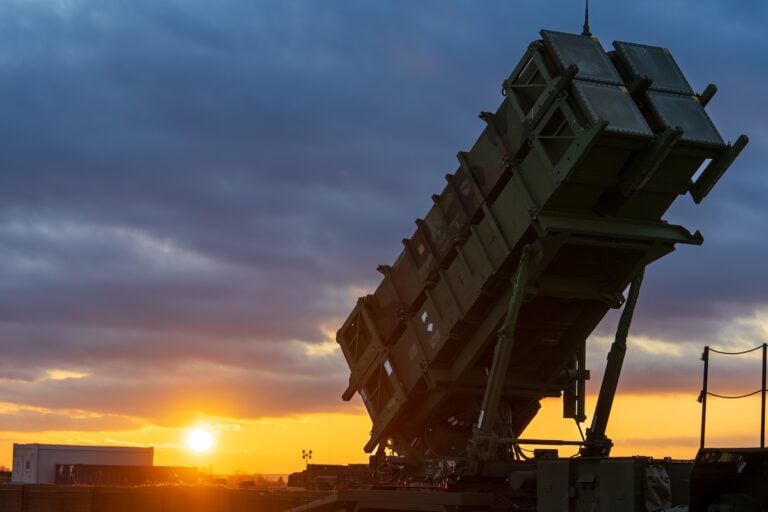
The MRIC is designed to counter advanced aerial threats and provide a mobile, resilient and effective air defense shield for forward-deployed forces. The system is built for expeditionary Marine Corps operations, allowing air defense coverage to move with forces as they maneuver across the Pacific theater.
During Valiant Shield 2026, the capability was tested in a simulated all-domain warfare environment. The Marine Corps said the test demonstrated MRIC’s role as part of the broader U.S. Pacific Command strategy to deter aggression.
“Before the MRIC, we were primarily a short-range air defense capability,” said Maj. Emi Gutierrez, commander of the firing battery. “The Marine Corps employed the Stinger for years, but that capability is significantly different. With the evolution of air defense weapon systems, we saw a need to adapt.”
The MRIC is intended to bridge the gap between the Stinger Man-Portable Air Defense System and the long-range Patriot missile system. The Marine Corps said this added defensive layer is important for units that need to maneuver inside an adversary’s weapons engagement zone.
The system can be rapidly deployed to defend critical assets such as expeditionary air bases, runways, and forward arming and refueling points. “Our ability to rapidly insert and fill critical gaps within an integrated air defense system is critical not only to the Marine Corps but also the joint force as a whole,” said Gutierrez. “The MRIC fits into expeditionary warfare perfectly because of its ability to be rapidly deployed.”
The live-fire event used newly activated ranges at Marine Corps Base Camp Blaz on the northern coast of Guam. Joint Region Marianas also provided 12.5 miles of offshore range space to allow the MRIC interceptor to engage its target.
“Valiant Shield allows us to operate in the second island chain,” said Master Sgt. John Lukasiewicz, an operations chief. “The joint force across Guam has been supportive during the whole exercise. Camp Blaz allowed us to use their ranges in a non-traditional way. It is the best way to execute this mission because of the safety measures that they provided.”
Camp Blaz, the newest Marine Corps installation, is designed to host and sustain advanced training operations like those conducted during Valiant Shield 2026. The MRIC live-fire demonstrated the base’s role as a hub for joint force readiness and Force Design modernization west of the International Date Line.
“The Marine Corps hasn’t had a brand-new base in 72 years,” said Dr. Monte Powell, operations officer for Camp Blaz. “We have the opportunity to provide a modern forward operating facility with ranges and training facilities for Marines and joint forces who are forward-deployed.”
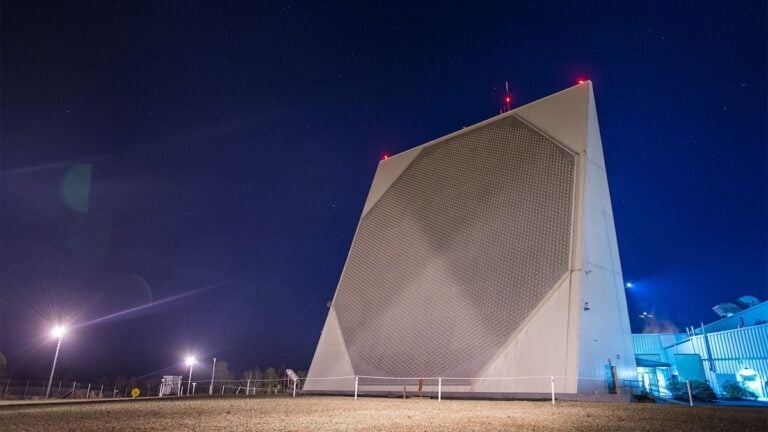
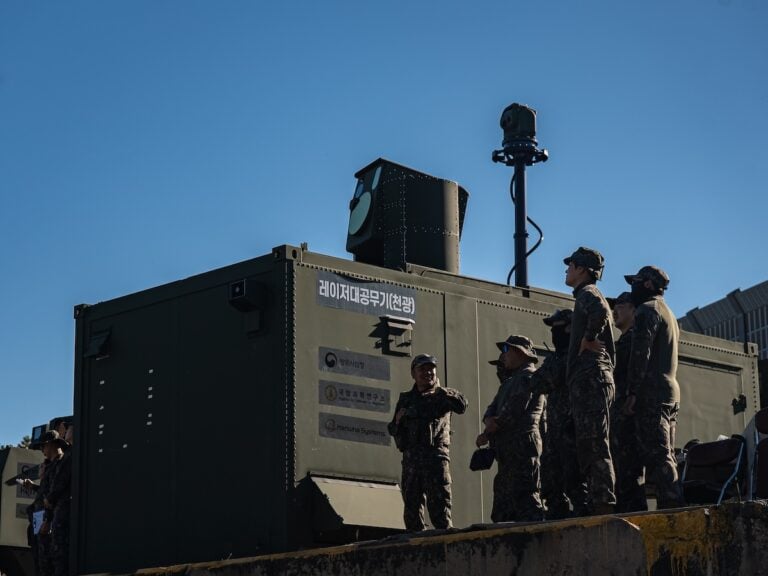
The Marine Corps said the success of the MRIC test depended on the Marines operating the system as much as on the facilities supporting the event. III MEF Marines spent nearly two years learning the system’s advanced radar, command-and-control interfaces and interceptor procedures before the live-fire.
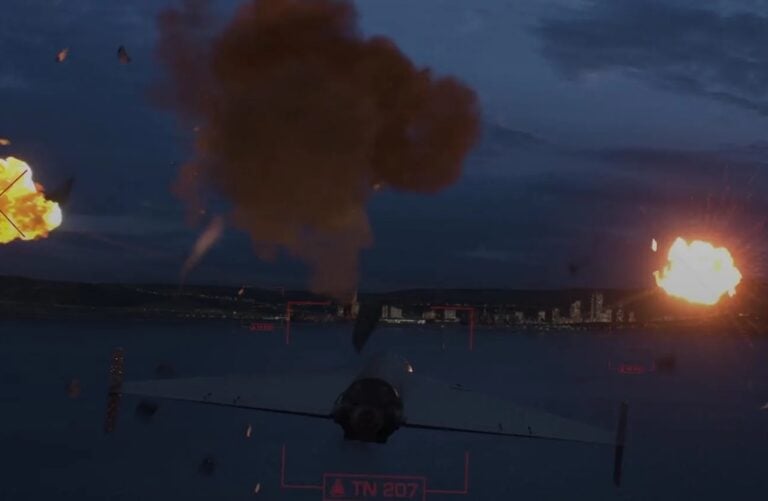
“It helps us with an extra layer of defense with something in front,” said Sgt. Nicholas Hulitt Jr., one of the main operators of the MRIC. “It allows us to defend against the current warfare threats that we see with drones and missiles.”
Fielding MRIC required Marines to adapt to new technology and refine procedures before the launch. The Marines spent two weeks at the Camp Blaz range improving movements, timelines and communications to support the intercept.
“The Marines have been practicing setting up and tearing down long before they arrived at the range,” said Lukasiewicz. “Now they are refining the movements, timelines, and communication pathways to allow that interceptor to leave the canister and engage the target.”
Gutierrez said the new system reflects a broader change in the role and skills of Marine air defenders. “These Marines have gone from being known as just low-altitude air defense to ground-based air defense professionals,” said Gutierrez.
The Marine Corps said integrating MRIC during Valiant Shield 2026 was also about connecting III MEF Marines with a large multinational joint force. The exercise required coordination between ground-based MRIC operators and wider aerospace control networks.
“We have continued to evolve,” said Gutierrez, “and therefore our Marines have become smarter, faster, and better with these weapon systems. Their skills grow, and the overall capability of the ground-based air defense community grows.”
The successful deployment of MRIC during Valiant Shield 2026 reflects the Marine Corps’ ongoing modernization efforts. The service said putting next-generation technology into the hands of trained Marines helps keep the joint force ready to support allies, partners and regional stability.
“The Marines are working hard and without a doubt are motivated,” said Gutierrez. “They took the initiative and the opportunity in years of work to come out here and lead this live fire. Without their commitment to the mission, we would not be here, and we would not be successful. For that I’m extremely proud of our Marines.”