The Air Force is also establishing a pilot transition program for selected weapons system officers and combat systems officers. Those chosen will attend pilot training before receiving a follow-on assignment to the B-21.
Air Force leadership determined that a two-pilot configuration best supports the Raider’s planned operational role. The service said retaining the deep tactical and combat experience within the weapons system officer and combat systems officer communities is essential to maximizing the aircraft’s lethality and survivability.
The Air Force described the move as a deliberate talent management strategy intended to secure the future of U.S. global strike capabilities. It said the approach will help ensure the service remains prepared to conduct extended-duration, long-range strike missions in highly contested environments.
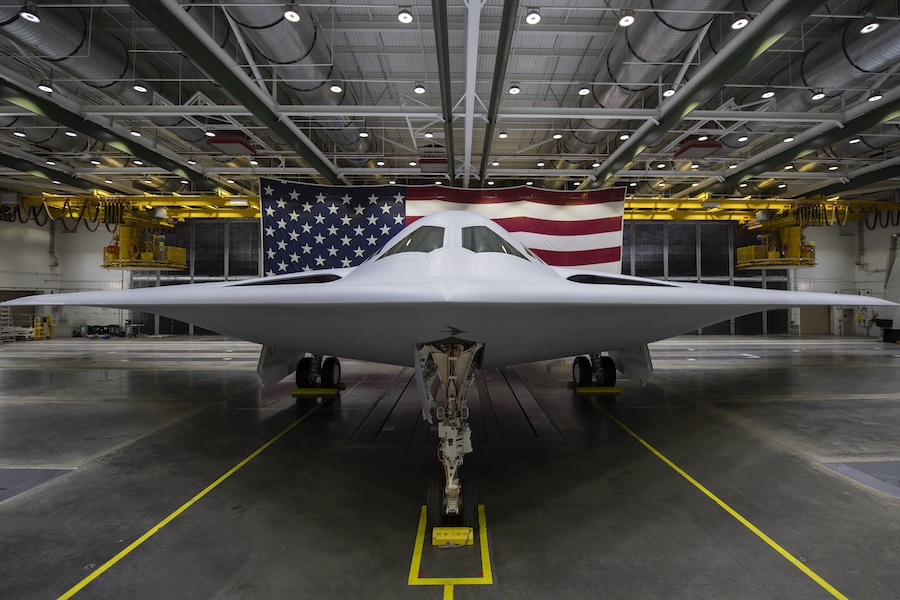
The B-21 Raider will be a dual-capable penetrating strike stealth bomber able to deliver both conventional and nuclear munitions. The Air Force said it will form the backbone of the future bomber force alongside the B-52.
The aircraft is designed to operate in future high-end threat environments and support America’s long-term airpower capability. It will be part of a broader family of systems for conventional long-range strike, including intelligence, surveillance and reconnaissance, electronic attack, communications and other capabilities.
The B-21 will be nuclear capable and designed to support manned or unmanned operations. It will also be able to employ a broad mix of stand-off and direct-attack munitions.
The aircraft is being designed with open systems architecture to reduce integration risk and enable competition in future modernization efforts. The Air Force said this approach will allow the B-21 to evolve as the threat environment changes.
The Department of the Air Force Rapid Capabilities Office leads B-21 development under the direction of the Under Secretary of Defense for Acquisition and Sustainment and the Secretary of the Air Force. The Air Force awarded the B-21 Engineering and Manufacturing Development contract to Northrop Grumman on October 27, 2015.
Northrop Grumman’s partners on the program include Pratt & Whitney, Janicki Industries, Collins Aerospace, GKN Aerospace, BAE Systems and Spirit Aerosystems. In 2018, the program completed its weapon systems Critical Design Review, a program-wide assessment of design maturity, stability and risk.
In 2019, the Air Force completed the Strategic Basing Process and identified Ellsworth Air Force Base in South Dakota, Whiteman Air Force Base in Missouri and Dyess Air Force Base in Texas as preferred locations for B-21 main operating bases. After completing the Environmental Impact Statement process and other regulatory requirements, the Air Force named Ellsworth Air Force Base as the first B-21 main operating base and the location of the Formal Training Unit in 2021.
The Air Force Test Center at Edwards Air Force Base in California will host the B-21 Combined Test Force. The Air Force Sustainment Center at Tinker Air Force Base in Oklahoma is the site for depot planning.
The B-21 Raider is named in honor of the Doolittle Raiders, U.S. Army Air Force personnel known for their April 18, 1942, surprise attack against Japan during World War II. The Air Force said the designation B-21 recognizes the Raider as the first bomber of the 21st century.
Air Force Global Strike Command is the lead command for the nuclear-capable penetrating strike stealth bomber. The planned inventory is a minimum of 100 aircraft, with munitions to include nuclear and conventional weapons.