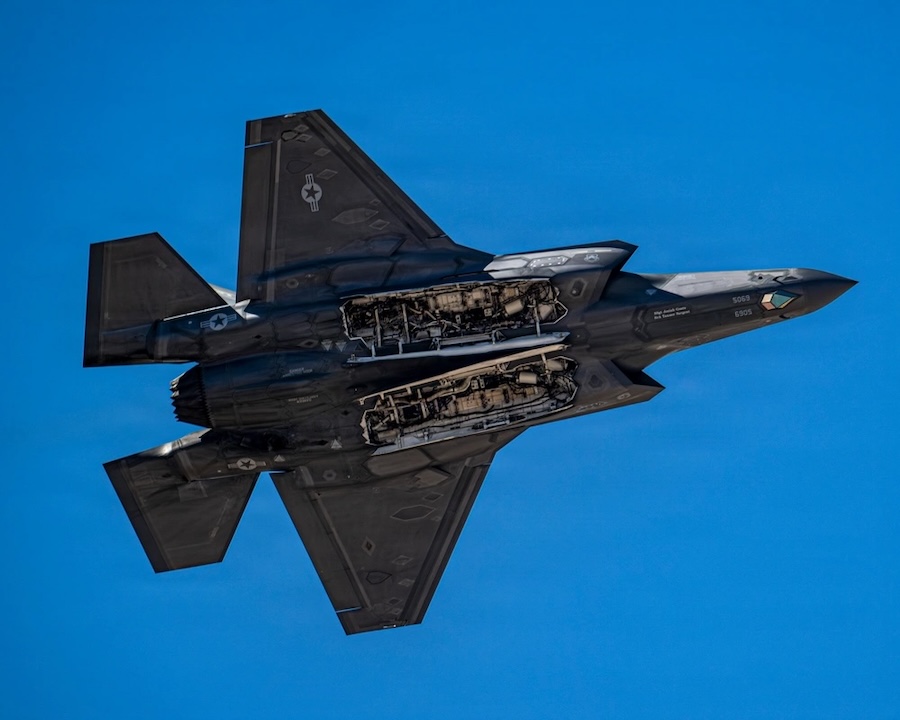
Taiclet said the Department of War had sought 85 F-35s for U.S. forces under the current budget cycle. The remaining aircraft would be allocated to international customers and security partners.
Congress and the administration must still determine final funding levels. Taiclet said annual budget negotiations should not materially weaken the program’s demand outlook.
“That aircraft, whether it’s this budget cycle, the next one, five years from now, is going to be in high demand,” Taiclet said. “We feel really confident that the 156 per year production rate will be sustained for quite some time.”
The comments came during Lockheed Martin’s second-quarter 2026 earnings call. Taiclet described the F-35 as a long-term requirement for the United States and its allies.
He called it the only fifth-generation fighter currently in production in the Western market. That position supports continued procurement across the program’s domestic and international customer base.
Lockheed Martin is also expanding support for the operational F-35 fleet. Taiclet highlighted a $1.6 billion spare-parts award secured shortly before the call.
He described the deal as the largest F-35 spare-parts contract awarded to date. The agreement reflects the Pentagon’s increased focus on aircraft availability and fleet readiness.
Lockheed Martin invested in spare parts and consumables before receiving the award, Taiclet said. That inventory can now be shipped when customers require replacement components.
The company’s advance purchasing reduced the time between demand and delivery. It also positioned Lockheed Martin to respond faster to sustainment requirements.
Taiclet placed production stability and fleet support at the center of the F-35 outlook. He said short-term budget changes would not alter the aircraft’s broader demand profile.