
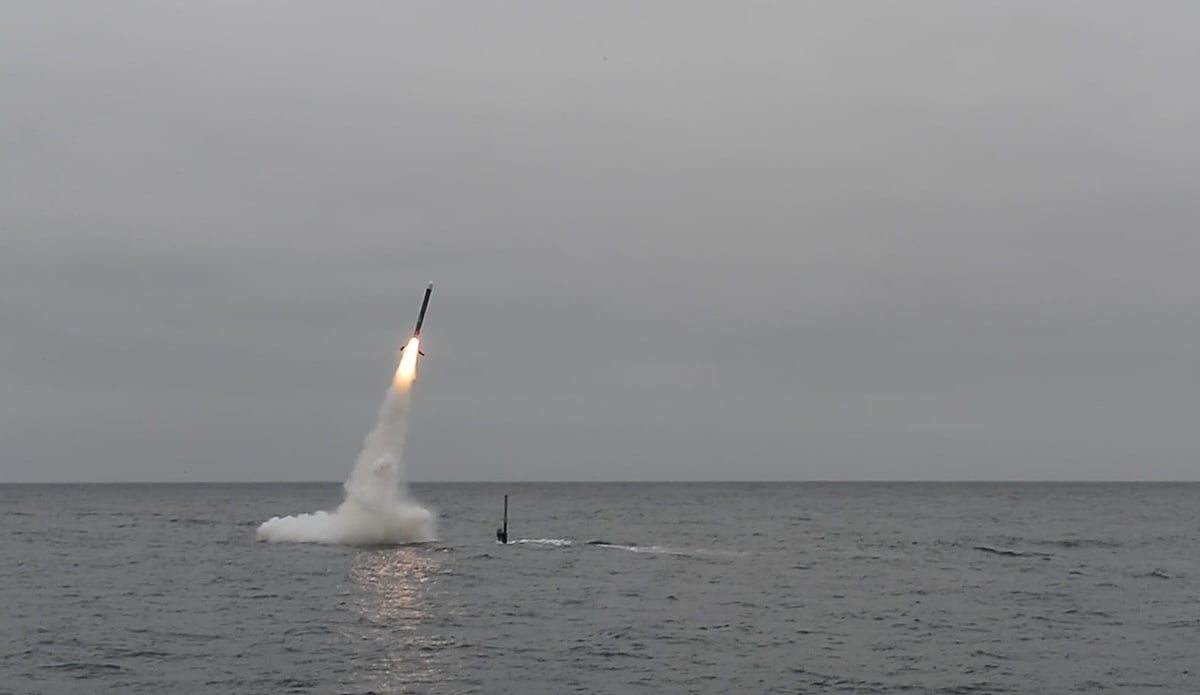
The agreements were signed on September 23 and announced by the Navy on October 6. They cover missile development, systems integration and launch canisters, with work scheduled to continue through December 31, 2027.
Dynetics, a Leidos subsidiary, Raytheon and Northrop Grumman will handle missile development and systems integration. Northrop Grumman Mission Systems and Pacific Engineering received the launch canister agreements.
The Navy used Other Transaction Authority, a mechanism the Pentagon employs for prototype development and other work. These awards cover development, rather than purchases of production missiles.
The United States began deploying TLAM-N nuclear-armed Tomahawks aboard surface ships and submarines in the mid-1980s. The missiles were removed from ships in the early 1990s, although the option of returning them to submarines was retained for a time.
The first Trump administration revived the sea-launched nuclear cruise missile concept in its 2018 Nuclear Posture Review. The review called for the weapon to strengthen regional deterrence and provide an additional response option to threats against the United States and its allies.
The Biden administration subsequently proposed canceling the program. Congress maintained its funding and directed that development proceed.
Budget legislation enacted in 2025 allocated $2 billion to accelerate missile development, according to the Congressional Research Service. A further $400 million was provided for the nuclear warhead.
The fiscal 2024 defense legislation required initial operational capability by September 30, 2034. The fiscal 2026 legislation requires a limited number of weapons to be available for a limited operational deployment no later than September 2032.
Those dates are statutory deadlines for the program. They do not establish that the required capabilities have been achieved.