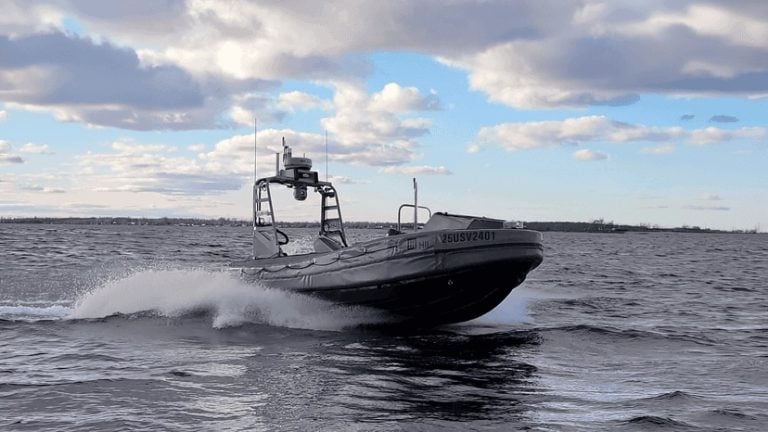
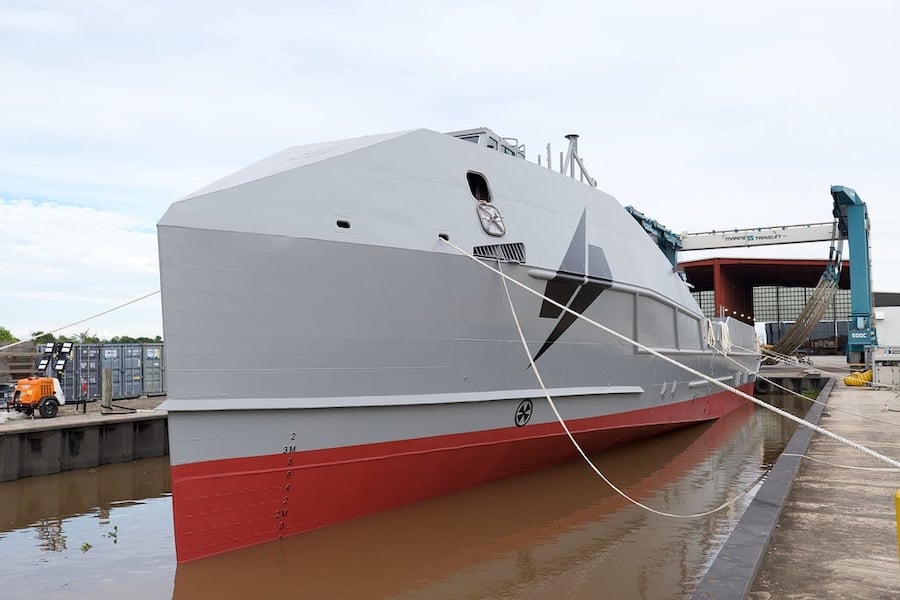
Galliano Marine Services, HII and Saronic Technologies each received an agreement for 10 vessels. The awards followed completion of Phase I testing at sea.
The trials evaluated maritime awareness, autonomous navigation under international collision-prevention regulations and long-duration mission performance. The Navy issued a Phase II integration and testing solicitation on September 23 to expand its acquisition pipeline and support future missions.
“Our message to the defense industrial base is simple: build fast, deliver on time, and match the urgency of the threat,” said Acting Navy Secretary Hung Cao. “This MUSV award is a prime example of how we are streamlining acquisitions to ensure our Sailors and Marines have the capabilities they need to fight, win, and come home safe.”
Leidos, PAC MAR and Sea Machines also completed the work required under their prototype agreements. The Navy said they would receive a $15 million award under the agreements’ existing terms.
Those companies and the production agreement recipients will enter the Drones.mil Maritime Marketplace. They will be eligible for follow-on production agreements from authorized Department of War acquisition authorities.
The Navy intends to use MUSVs as adaptable platforms for sensors, weapons and other mission payloads. It said the vessels could provide additional capacity that commanders can place at risk without exposing sailors to unnecessary danger.
“Just as importantly, MUSVs give us a platform for rapidly integrating new sensors, weapons, and other mission payloads as technology and operational requirements change,” said the Chief of Naval Operations. “This is about moving beyond experimentation and putting reliable, combat-relevant capability into the hands of our Sailors at the speed the Fleet requires.”
The Direct Reporting Program Manager for Robotic and Autonomous Systems will help accelerate fielding and fleet integration. The Robotic and Autonomous Systems Warfighting Development Center will develop tactics, training and operational experience for employing the vessels.