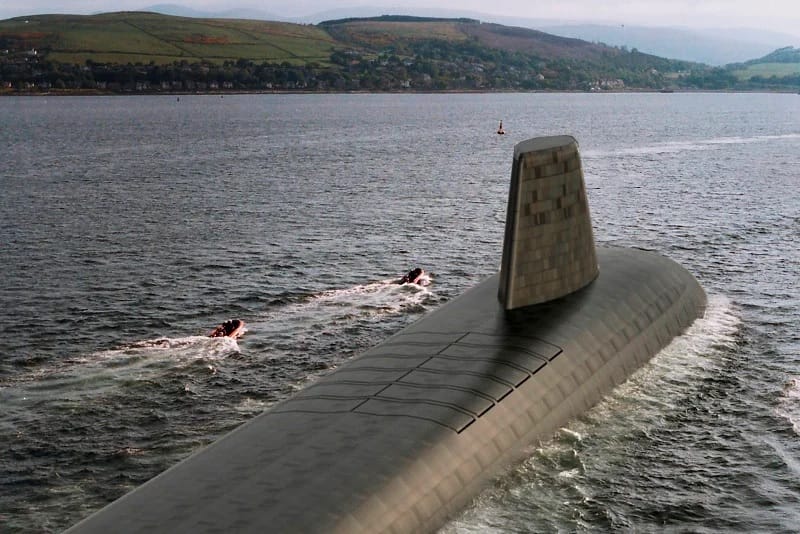
The increase covers the financial years 2026–27 to 2029–30 compared with the preceding four years. Spending commitments include work on Dreadnought submarines, the replacement Astraea warhead and facilities supporting nuclear submarine production and maintenance.
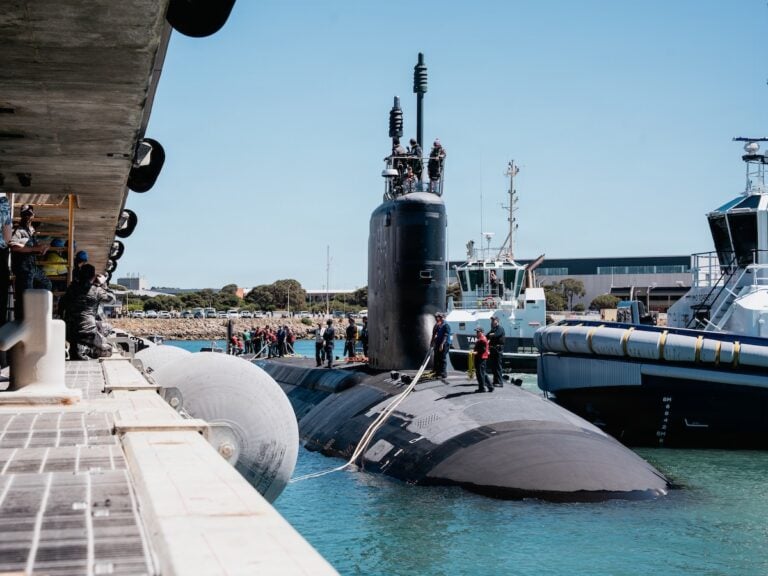
An £8.4 billion investment supports delivery phase four of the Dreadnought construction programme, including a £5.9 billion contract with BAE Systems announced in July 2026. The ministry says the investment will support tens of thousands of jobs across the country, with construction based at Barrow-in-Furness.
This phase will take HMS Dreadnought, the first submarine in the class, through sea trials. The vessel is due to be ready to enter Royal Navy service in the early 2030s.
The sovereign nuclear warhead programme has been allocated £15 billion over 2025–26 to 2029–30. That funding covers development of Astraea and modernisation of the associated infrastructure.
At HMNB Devonport, £7 billion will be invested over ten years in facilities supporting submarine maintenance, modernisation and disposal. A £50 million Defence Growth Deal for Plymouth accompanies the investment, while improvements to local infrastructure and housing are intended to accommodate a growing workforce.
Sheffield Forgemasters is modernising and expanding its facilities with total MOD investment of £1.3 billion. This includes more than £420 million in additional funding announced in the 2025 Spending Review, with the programme sustaining over 700 skilled jobs and supporting apprenticeships.
Work at the site includes a 30,000-square-metre machining facility for submarine components. McLaughlin and Harvey received a £210 million construction contract for the facility in December 2025.
Rolls-Royce’s approximately £9 billion Unity agreement, signed in January 2025, provides support for the Royal Navy’s nuclear submarine fleet. The ministry says it will create more than 1,000 UK jobs, including at the reactor production facility in Derby, and safeguard another 4,000 roles.
Recruitment and training are backed by £290 million in nuclear skills investment. The Nuclear Skills Plan brought around 1,300 graduates and 3,100 apprentices into defence nuclear during its first two years.
The figures are drawn from the Ministry of Defence’s UK Defence Footprint 2026 report, which brings together investment commitments, contracts and employment estimates. The individual programmes cover different periods and activities, with spending extending from weapons development and submarine construction to factory capacity, maintenance facilities and training.