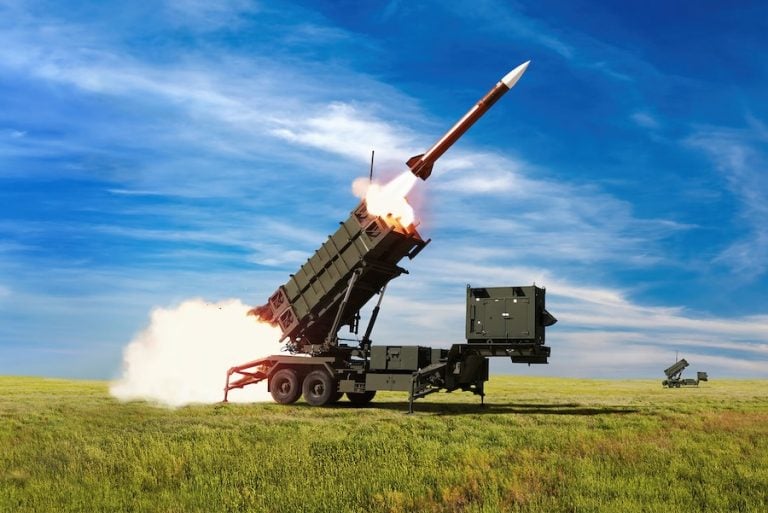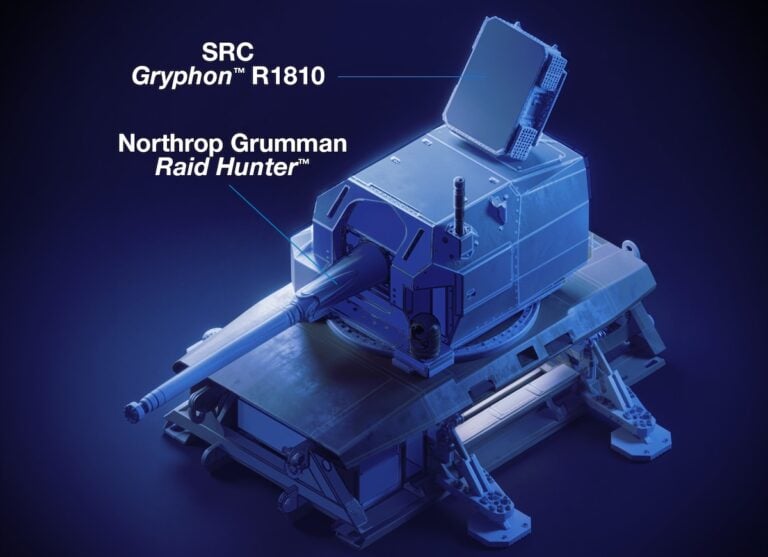
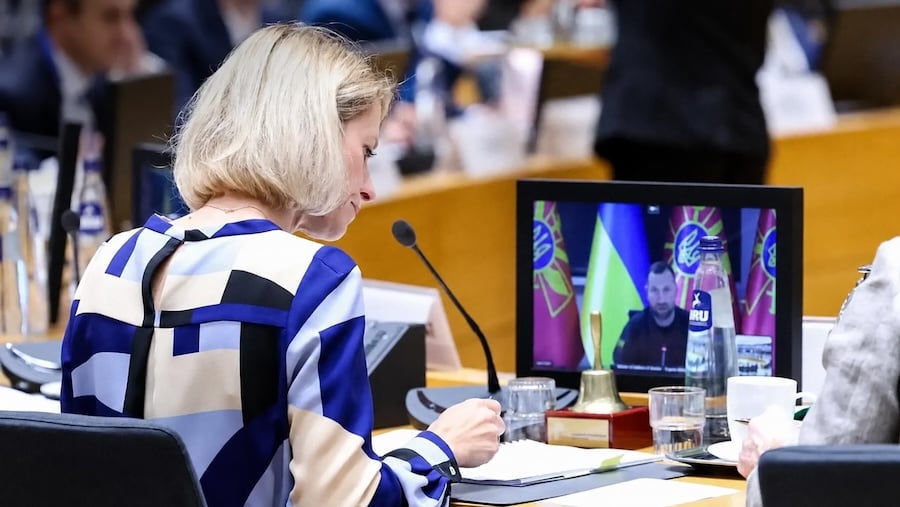
Khmara made the request at a meeting of EU defence ministers, where he also sought funding for low-cost ways to counter jet-powered Shahed drones. Ukraine is already shooting down some of the drones, including with interceptor missiles, but he said it will take time to build an effective response at scale.
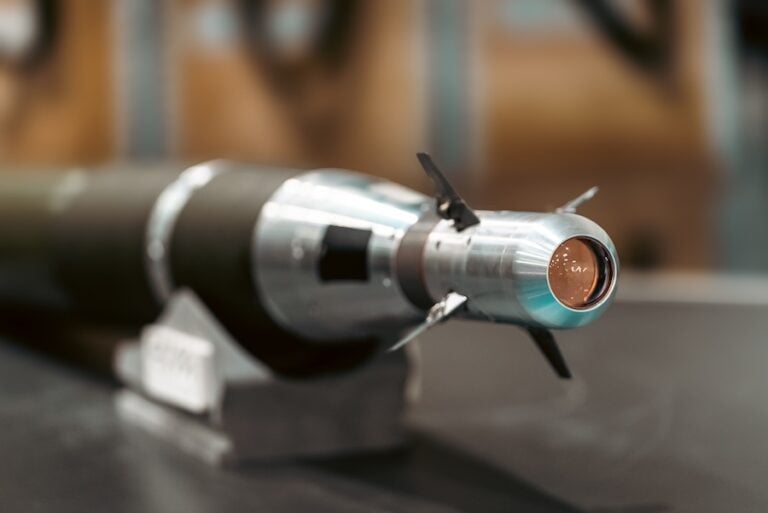
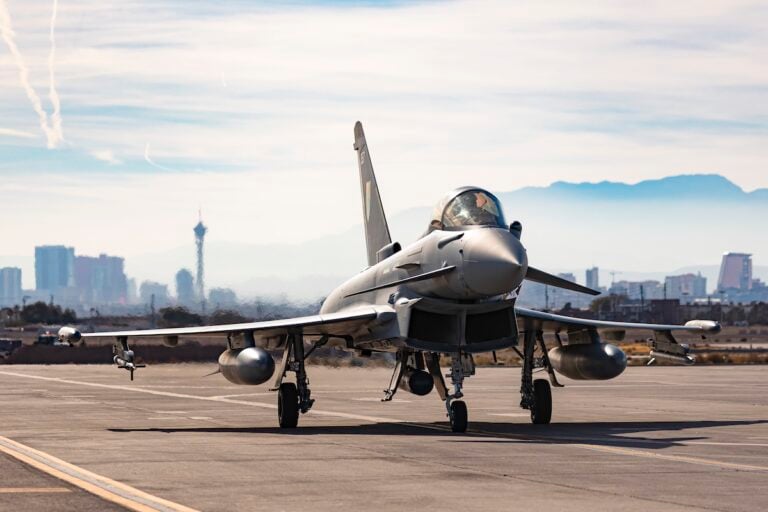
The minister also asked for air-to-air missiles, man-portable air-defence systems and munitions for Ukraine’s F-16s. Together with Patriot missiles, they formed the air-defence priorities he presented to EU partners.
Funding was the other immediate concern. About a third of Ukraine’s additional $27 billion in defence needs consists of advance payments for drones scheduled for delivery in early 2027, according to the ministry.
Khmara asked the EU to bring forward loan funds planned for 2027, use remaining SAFE funds for Ukrainian procurement and provide more bilateral assistance. He said manufacturers need financing this autumn to order components and keep production on schedule.
“The funds are needed this autumn to give manufacturers enough time to procure components and produce the drones on schedule. This is particularly important given the mobilisation the enemy is already planning,” Khmara said.
Khmara thanked the EU for a recent €3 billion loan disbursement and for approving procurement schedules worth €3 billion that cover Patriot missiles and other critical supplies. He said Ukraine would fund $7 billion in military pay and other payments from its own resources while making savings in non-defence spending.