Chief Executive Officer Iryna Terekh said Ukraine’s defence sector was expanding its industrial reach after years of wartime production. She identified cooperation between companies, military users and government agencies as a core part of that strategy.
“I represent a Ukrainian manufacturer, and I see that every year more and more Ukrainian companies are attending defense exhibitions—something that was hard to even imagine just a few years ago,” Terekh said during a panel discussion at MSPO in Poland. “Every day, we see firsthand how important it is for industry, the military, and the government to work together.”
“We are constantly expanding the capabilities of every product we manufacture.” “We approach our technologies as if we were unlocking new achievements in a game for our military, so that they have an ever-increasing number of tools to use in military planning.”
Fire Point said Ukraine is not limited to acquiring Western technology. Ukrainian companies are also designing systems, testing them in combat and using operational data to improve their products.
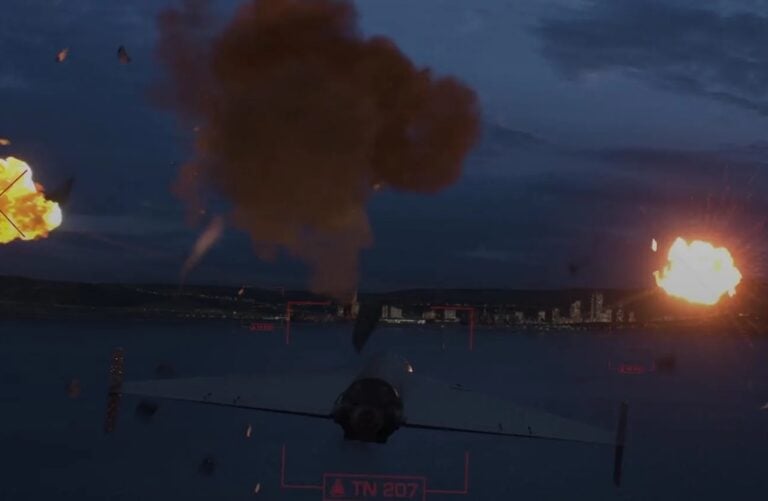
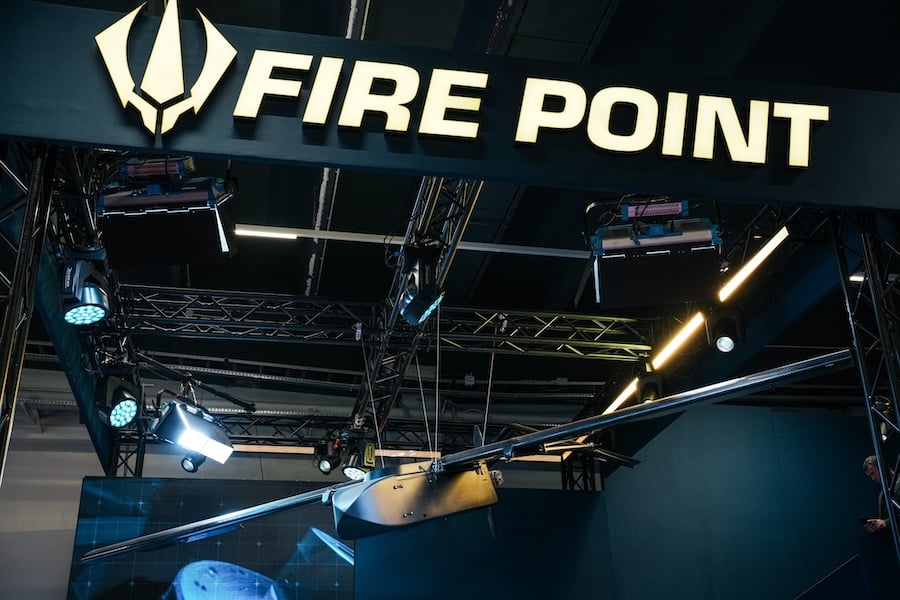
The company’s portfolio includes the FP-1 long-range unmanned aerial vehicle and the FP-5 Flamingo cruise missile. It also includes the FP-7 and FP-9 ballistic missile programmes.
Fire Point has held talks with Ukrainian and European companies on technology cooperation and joint manufacturing. The discussions also covered access to components and the entry of Ukrainian systems into the European market.
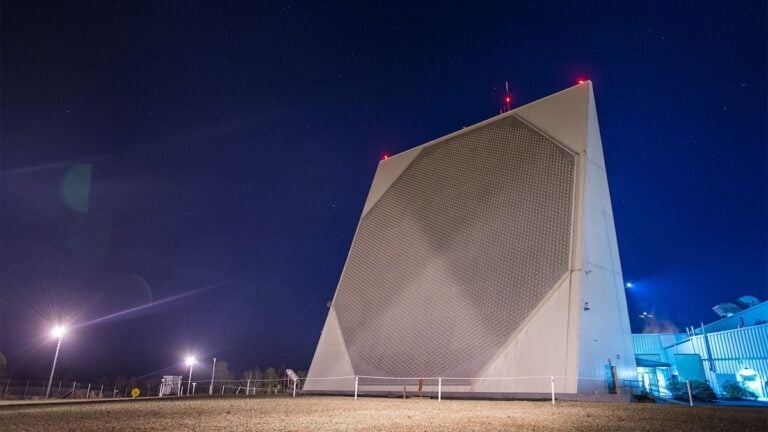
The company is also working on Freyja, a proposed pan-European anti-ballistic missile shield. Fire Point serves as the project’s architect and integrator, with the system intended to intercept Russian ballistic missiles.
Fire Point’s strategy is to convert European interest in Ukrainian combat experience into production partnerships and integrated systems. The company said the next stage should deliver technologies that support the security of both Ukraine and Europe.