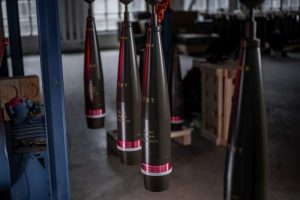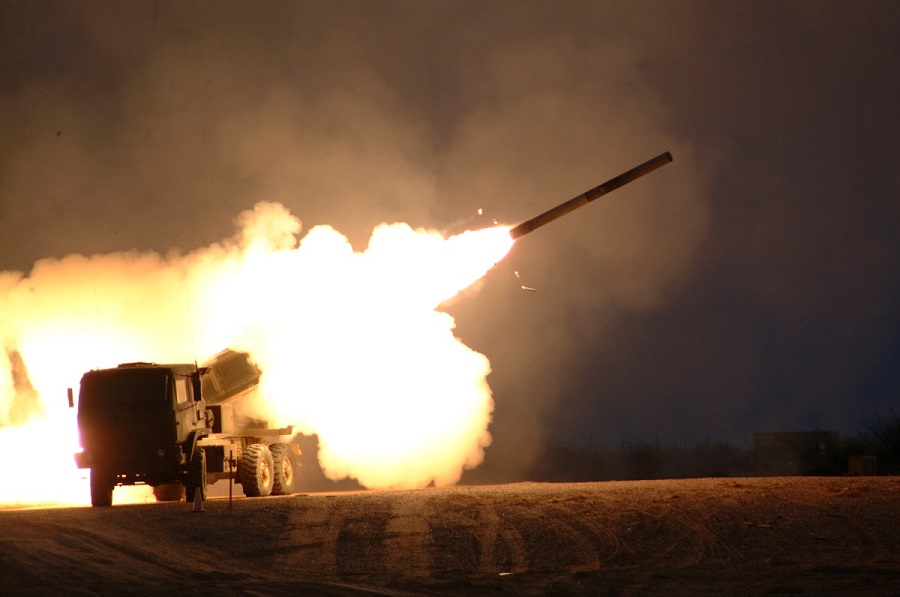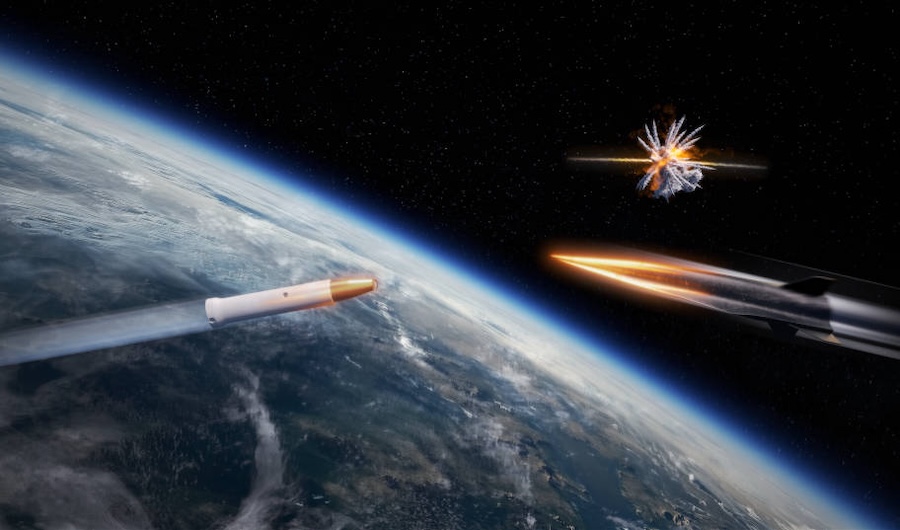



The tests were conducted in New Mexico using the company’s Sceptre precision-guided munition. The trials confirmed that the projectile could ignite its ramjet engine after launch and perform as intended under operational conditions.
The Sceptre system is designed to be fully compatible with existing NATO-standard artillery platforms. According to the company, it can reach ranges of up to 150 kilometres and travel at speeds of approximately Mach 3.5.
The projectile is capable of operating at altitudes exceeding 65,000 feet, beyond typical jamming ranges. It delivers a 5.2 kg payload with a circular error probability of less than five metres, including in GPS-contested environments.
The system requires no modifications to current artillery platforms. It is built with a modular, open architecture that supports ongoing upgrades and uses widely available fuels such as JP-4 and JP-8.
A key milestone during the tests was the successful ignition of the ramjet following exposure to launch forces of around 18,000 g. The trials also validated stable flight dynamics, controlled rotation and effective in-flight stabilisation.
The results indicate that the technology can function reliably under operational conditions. The system combines characteristics of both missile systems and conventional artillery.
Missile systems typically offer long range and high accuracy but are expensive and limited in supply. Conventional artillery, while cost-effective and scalable, is constrained in range and capability.
Sceptre is intended to bridge this gap by delivering missile-like performance with the flexibility and production advantages of artillery. The system also integrates with the company’s AI-powered GRAIL platform to enhance precision firepower.
The company said the technology could reduce reliance on high-cost missile inventories. It is also designed to support licensed domestic production, allowing allied nations to manufacture the system within their own industrial base.
Chad Steelberg, Founder and CEO of Tiberius Aerospace, said: “This is a genuine world first breakthrough. These tests prove not only the technology, but a new way of delivering capability at pace, at scale and at significantly lower cost.”
He added: “Having successfully proved our design and engineering methodologies, we now need to move to much larger ranges to deliver the next phase of testing, validation and certification.” He said: “Sceptre is an ambitious and complex project, but these successful US test firing results prove we are quickly advancing along the right trajectory.”