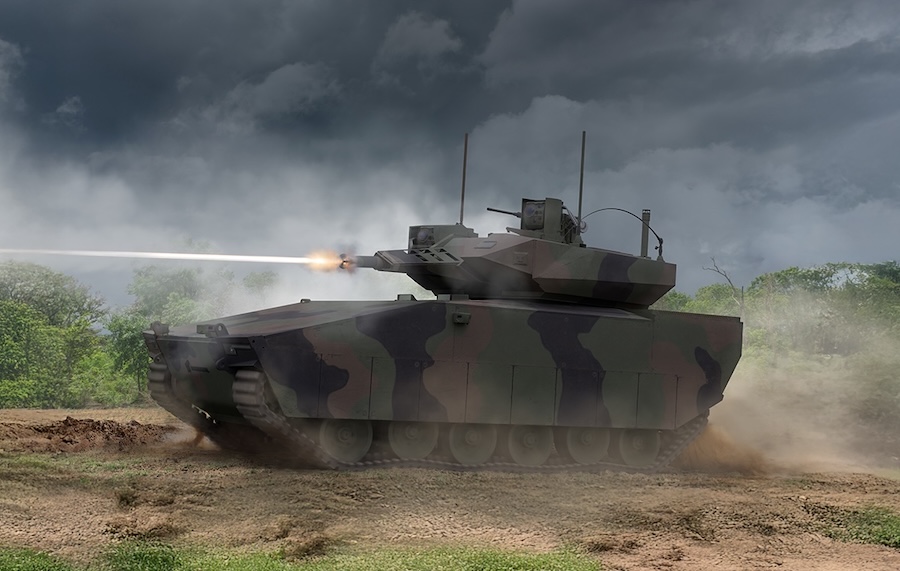
Team Lynx includes Textron Systems, Raytheon, L3Harris Technologies, Allison Transmission and Anduril Industries, with American Rheinmetall serving as lead systems integrator. Prototype production has already moved through U.S. facilities responsible for the vehicle’s principal manufacturing, integration and testing stages.
Textron Systems integrated the hull and chassis at its Slidell, Louisiana, facility, while turret fabrication was completed in Plymouth, Michigan, where the two major subassemblies were joined. Team Lynx said the production sequence is designed to be repeatable and expandable as the XM30 program moves beyond the prototype phase.
“Readiness is everything,” said Jason Atkinson, Operating Executive of American Rheinmetall. “We’ve invested heavily upfront so that when we reach production phases, we can surge and backstop a vendor if needed.”
Textron Systems has invested $7.5 million to expand fabrication and outfitting capabilities in Slidell, drawing on more than 50 years of combat vehicle manufacturing experience. Its production approach incorporates digital manufacturing, automation, weld-validation tooling and integrated quality controls intended to support scaling beyond prototype builds.
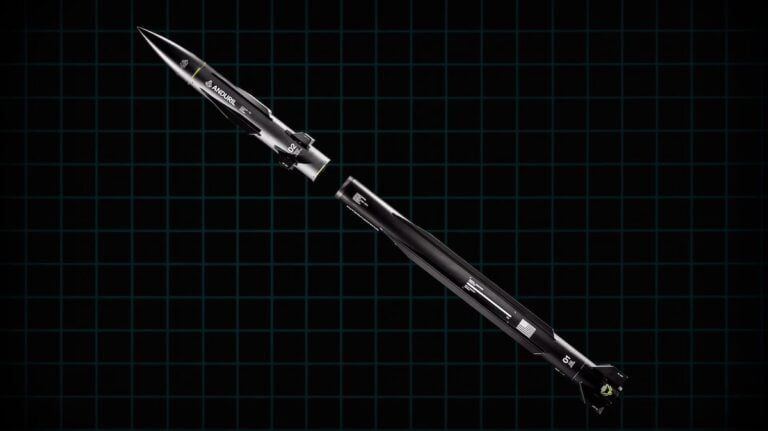
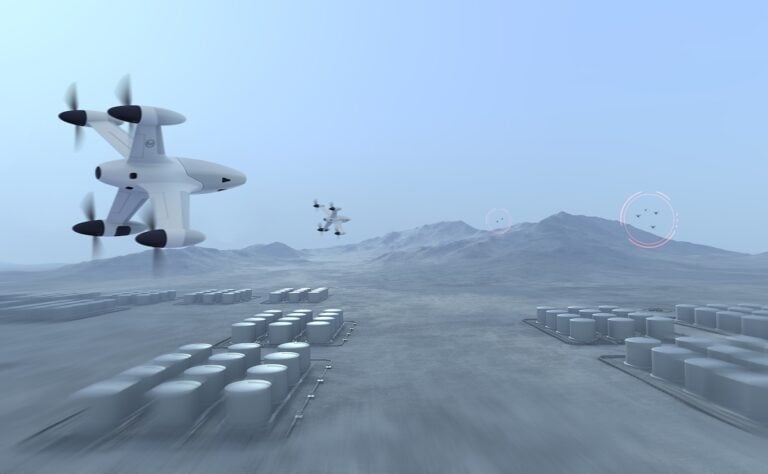
The vehicle also brings together systems from across the Team Lynx partnership, including Allison Transmission’s eGen Force hybrid transmission and L3Harris Technologies’ WESCAM MX-GCS B electro-optical and infrared system. Raytheon provides its Multi-Mission Launcher, while Anduril’s Common Tactical Picture is designed to fuse information from multiple onboard and offboard sensors into a single display.
American Rheinmetall is responsible for integrating those technologies into the overall combat vehicle architecture. “Together, we’re building a combat system that’s greater than the sum of its parts,” said Matt Warnick, CEO of American Rheinmetall.
The company is also working with Tier 2 and Tier 3 suppliers across the United States to increase manufacturing capacity and broaden the domestic supplier base. “The future of U.S. national security depends on a defense industrial base that is robust, adaptable, and strategically aligned with the demands of modern warfare,” Warnick said.
“Every dollar we invest flows through American jobs, new supplier entrants, and greater production readiness,” Warnick said. American Rheinmetall said it had invested more than $40 million in engineering talent and infrastructure before the XM30 competition began.
Rheinmetall’s subsequent acquisition of Loc Performance Products added nearly two million square feet of advanced manufacturing space and more than 1,000 skilled employees with experience supporting U.S. combat vehicles. The added capacity is available to support Lynx XM30 production and other future U.S. defense requirements.
“This is what a responsive industrial base looks like, one that’s ready before the requirement arrives,” Warnick said. “We don’t wait for government R&D dollars to start moving. We invest first because that’s how we get capability to the Soldier faster.”