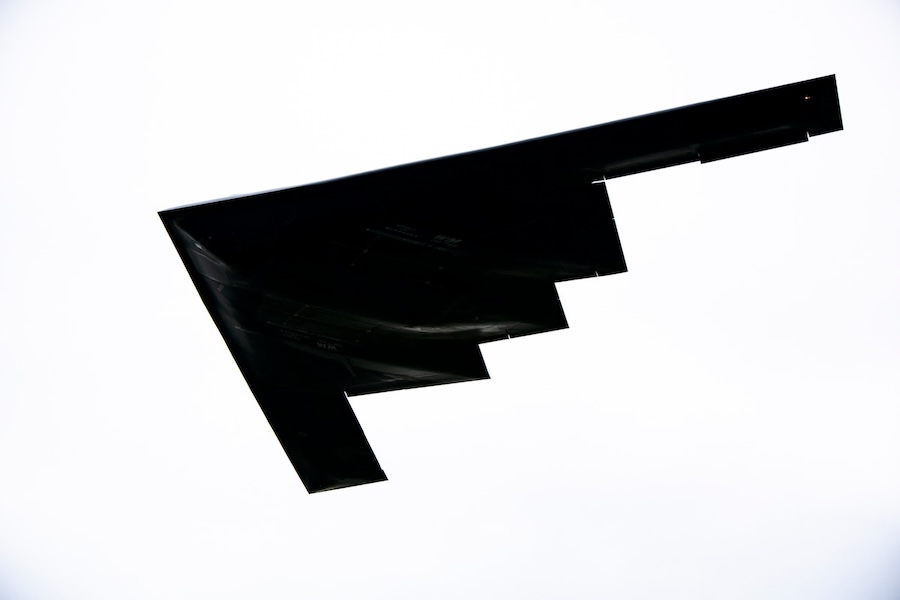
The return restores a key long-range strike asset to the bomber force at a time when availability remains central to deterrence planning. The Air Force said the work directly supports global missions while helping maintain training and readiness for bomber aircrews.
“Every single B-2 is a strategic asset, making the return of the Spirit of Ohio critical to national security,” said Col. Jason Shirley, B-2 System Program Manager with the Air Force Life Cycle Management Center’s Bombers Directorate. “Returning the aircraft to the flight line directly bolsters the number of bombers available and ensures that combatant commanders have the assets required to meet global deterrence missions, while also providing the necessary flight hours to train and maintain the readiness of our bomber aircrews.”
Programmed depot maintenance is essential to preserving the B-2’s survivability, safety and Low Observable performance. Without that restoration, the Air Force said the aircraft would lose its stealth edge and become more vulnerable to radar and air defense systems.
The maintenance process also includes structural inspections and replacement of aging components. Skipping that work would sharply increase the risk of structural fatigue and system failures, according to the service.
With the Spirit of Ohio restored, the Air Force returns a penetrating long-range strike capability to operational use. The B-2 combines Low Observable technology, large payload capacity and range, allowing it to bypass sophisticated air defenses and strike heavily defended, high-value targets anywhere in the world.
The aircraft is dual-capable and can deliver both conventional and nuclear munitions. The Air Force said that combination makes the B-2 a credible deterrent and a cornerstone of the nation’s nuclear triad.