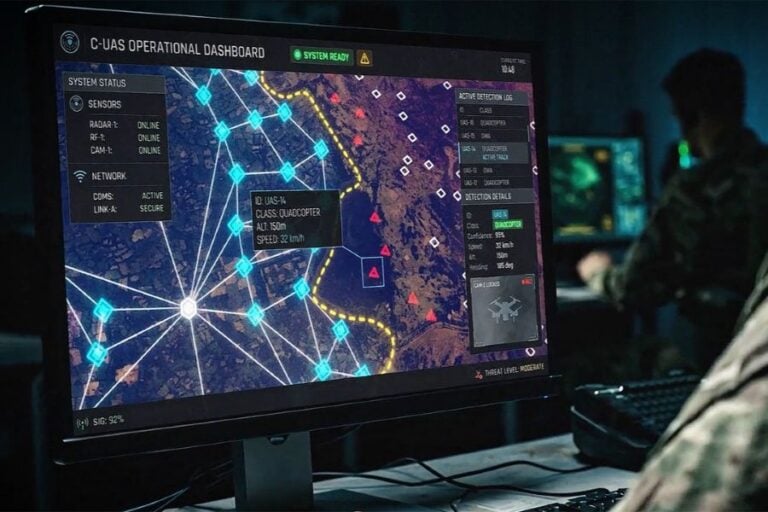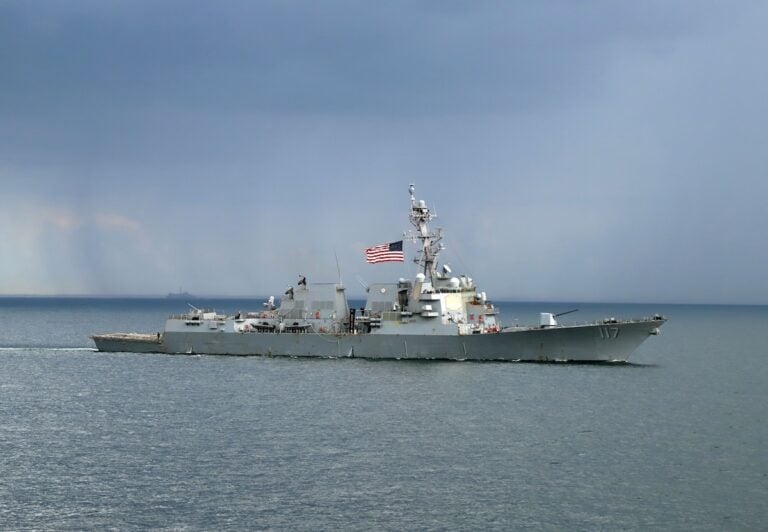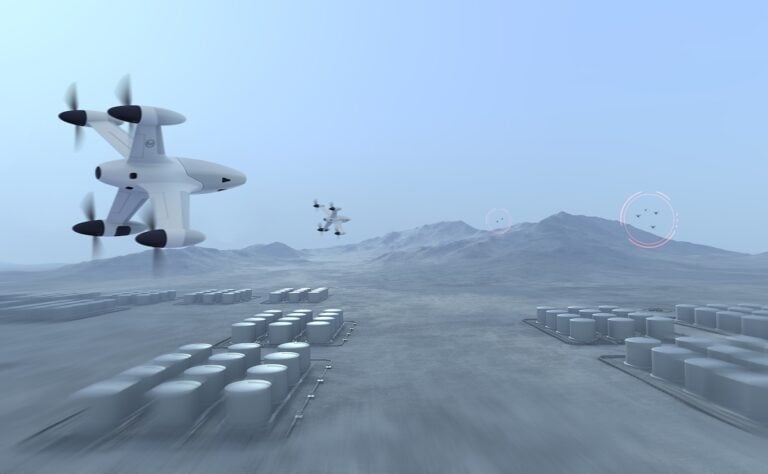
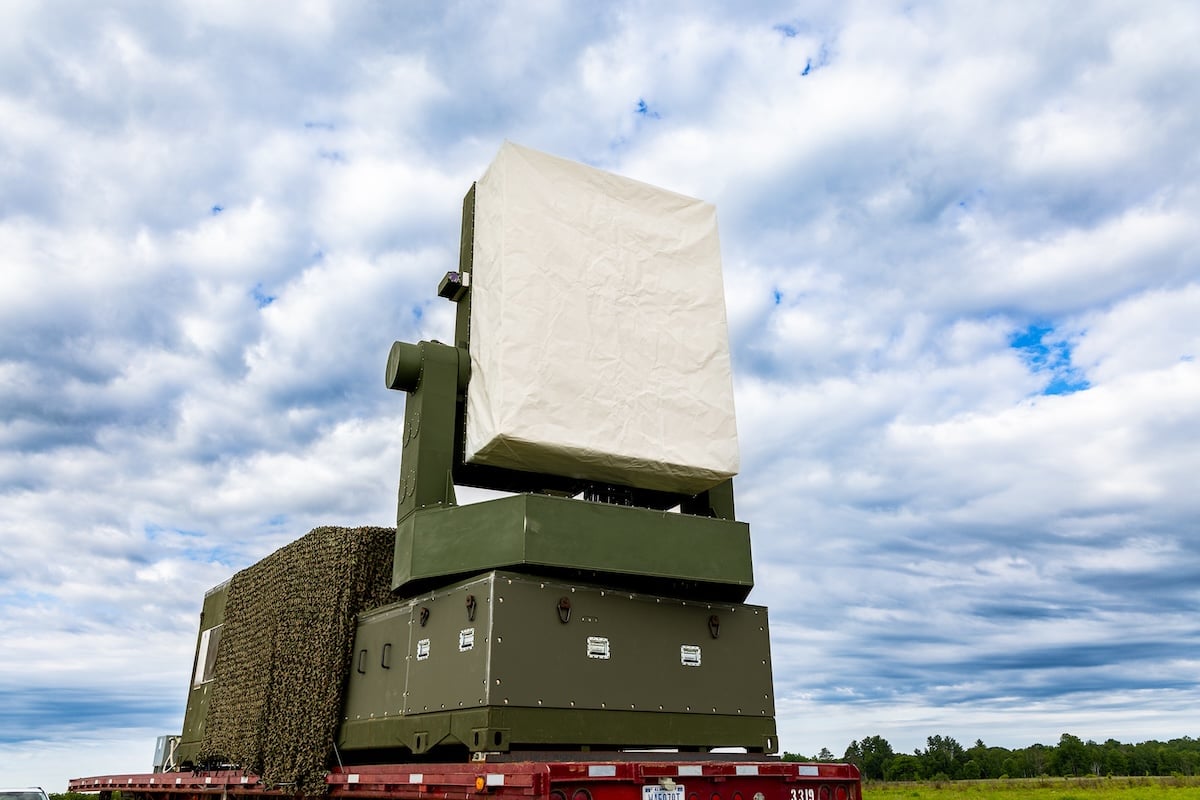
The system is intended to protect critical installations and maneuver forces against massed drone attacks. Its modular architecture supports fixed-site, towed, combat-vehicle and maritime configurations.
“The threat environment is evolving faster than traditional procurement cycles can keep up with,” said Jason Casciotti, vice president of BAE Systems’ Weapon Systems product line. “By leveraging a validated technical core and a resilient supply chain, we are delivering a high-maturity solution that ensures that as long as there is power, there is defense.”
BAE Systems said HPM has reached Technology Readiness Level 6 through testing in a relevant environment. It reported firing billions of microwave pulses during outdoor range tests to achieve and document specific effects on targets.
The company describes the system as American-made, with approximately 99% commercial off-the-shelf components. It said using established commercial supply chains would shorten production lead times, lower costs and simplify maintenance.
The architecture shares controllers, graphical user interfaces and power systems across configurations. BAE Systems said this common core allows changes across frequency bands without restarting the underlying research and development.
A modular array allows the system’s power output and array size to be adjusted. Each deployment configuration uses a power source suited to its operating environment.
Permanent installations would draw on grid power for wide-area defense of critical sites. Towed systems would use generators to support deployment in forward or contested locations.
Combat-vehicle versions would draw on vehicle power to provide protection for maneuver forces. Maritime versions would be adapted to vessels’ onboard power systems.
BAE Systems positions HPM as a lower-cost-per-shot option against drone swarms that could exhaust conventional interceptor stocks. Its ability to sustain engagements depends on continued access to power.
The system is designed to work alongside existing kinetic weapons and missile defenses. BAE Systems said missile systems remain better suited to high-value, long-range threats requiring precision kinetic effects.
The company said its tested architecture and use of commercial components are intended to shorten the path from prototype to deployment. It did not disclose an engagement range, numerical cost per shot or fielding date in the supplied material.