Tom Arseneault, president and chief executive of BAE Systems Inc., outlined the strategy during the group’s second-quarter and first-half 2026 earnings call. He said the U.S. portfolio was closely aligned with government priorities in munitions, drones, counter-drone systems, space and Golden Dome.
“Across the U.S. business, our performance through the first half of 2026 has been strong, reflecting our portfolio’s excellent alignment with U.S. defense and intelligence priorities,” Arseneault said. Management also expects U.S. defense spending to rise substantially from the previous year.
BAE Systems supports 10 of the 12 munitions programs identified by the U.S. government as priorities. Planned multi-year procurements could double, triple or quadruple current production rates, depending on the program.
The company has signed five framework agreements and is negotiating three more. It is also discussing several multi-year contracts linked to the agreements already in place.
“The combined revenue across the multi-year priority munitions programs represents a multi-billion-dollar revenue opportunity,” Arseneault said. He added that the contracts were expected to improve margins over time in the Electronic Systems and Space & Mission Systems businesses.
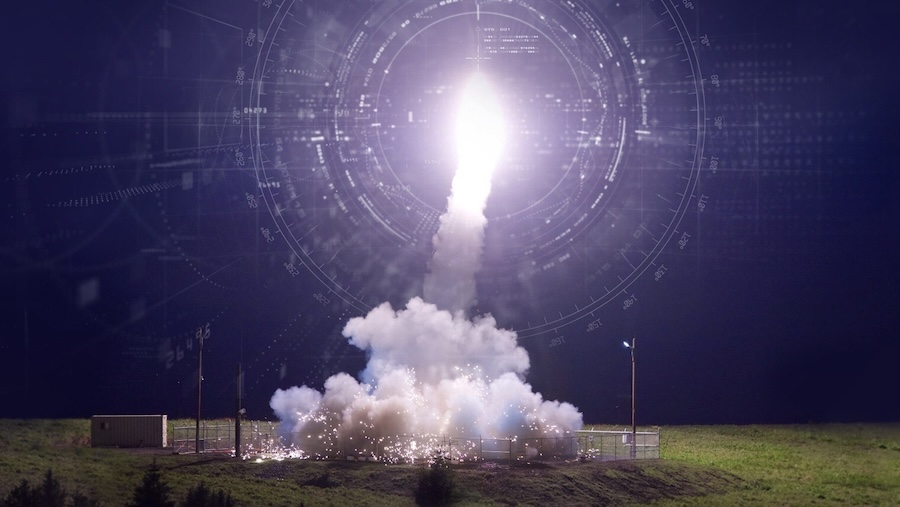
BAE Systems expects to receive a contract covering procurement of 2,800 seekers for the Terminal High Altitude Area Defense program over seven years. Arseneault said that volume would represent a fourfold increase for the company’s THAAD work.
The group has approved another $250 million for capital projects supporting production increases on THAAD, AMRAAM and Tomahawk. That spending follows more than $4 billion invested in U.S. facilities, research and workforce expansion since 2020.
Those earlier investments added about 2 million square feet of capacity and increased the U.S. workforce by roughly 14%. BAE Systems is now building on that footprint to meet higher demand for missiles and interceptors.
Counter-drone demand is another source of growth, led by the APKWS laser-guided rocket. BAE Systems is working under a five-year contract worth up to $1.7 billion, while potential foreign military sales cover more than 40,000 additional units.
The U.S. space business is also expanding, with Space & Mission Systems sales rising almost 30% in the first half. Arseneault said demand was growing for the standardized Elevation and Evolve spacecraft families across national security and military missions.
BAE Systems expects its technology to support several parts of the Golden Dome architecture. Arseneault cited the $1.2 billion Epoch 2 program, which will provide a resilient missile-warning and tracking constellation with a ground command-and-control system.
Group Chief Executive Charles Woodburn said the annual funding structure of many U.S. programs did not reflect their full duration. “However, we have visibility of the program running much beyond that,” he said, linking those incumbent positions to BAE Systems’ longer-term opportunity pipeline.