
The investment was detailed in the government’s 2026 Defence Investment Plan, which allocates £19.2 billion to land capabilities over the four-year period. It supports a wider shift from a force shaped by post-Cold War expeditionary operations to what the Ministry of Defence describes as a fifth-generation Army designed for high-intensity conflict.
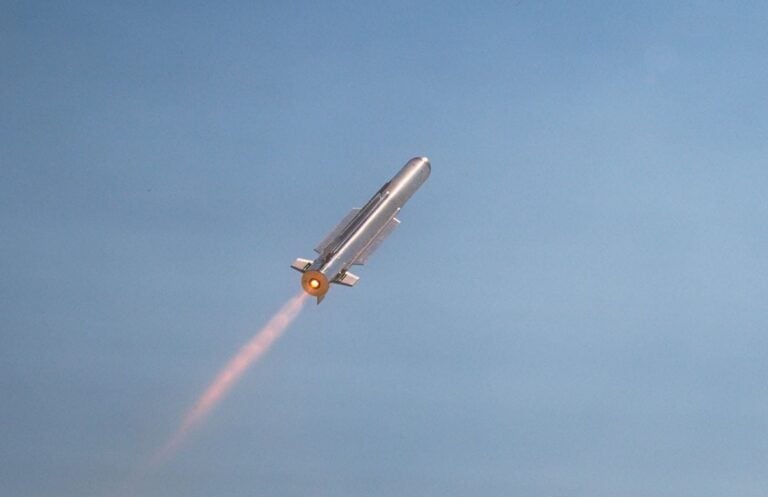
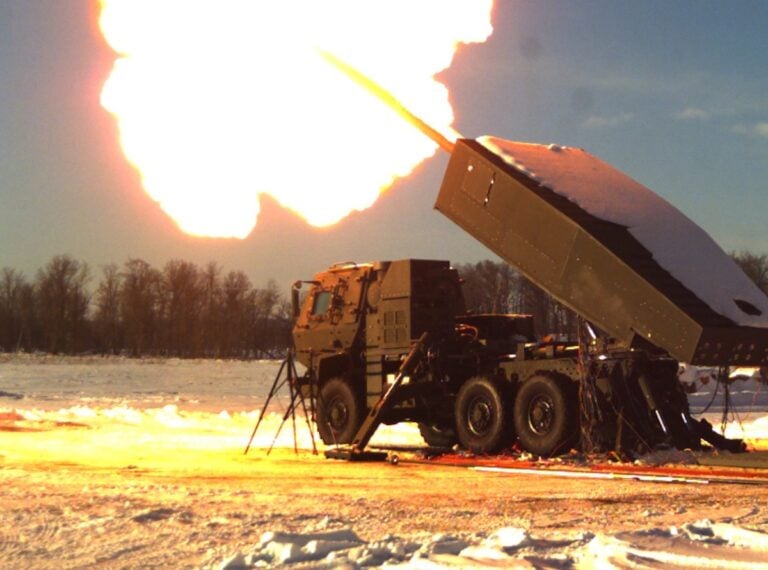
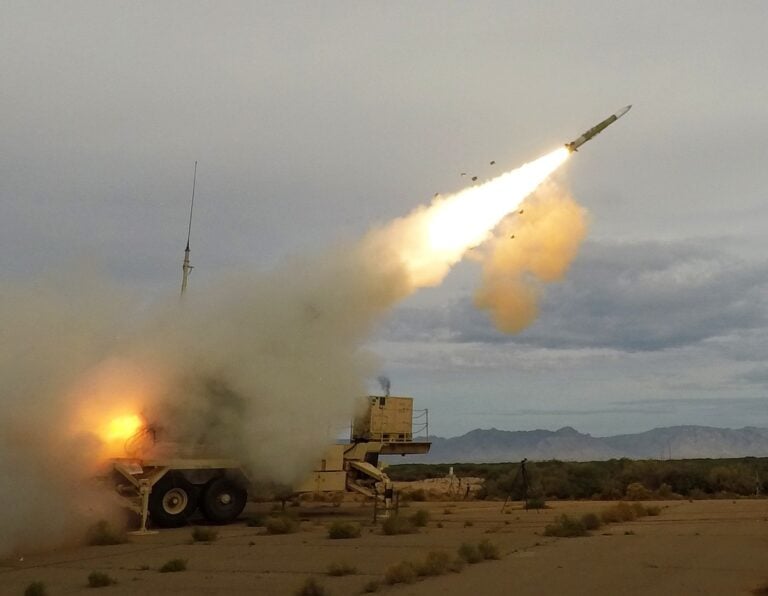
Britain will join the PrSM programme alongside the United States and Australia, gaining access to a short-range ballistic missile that the ministry said would triple the Army’s reach. The document does not specify the number of missiles to be acquired, their delivery schedule or how the £190 million will be divided between procurement and supporting activities.
Long-range rocket artillery receives a separate £590 million allocation, giving the Army another route to strike targets beyond the range of conventional guns. The ministry did not identify the systems involved or disclose planned procurement volumes, leaving the programme’s detailed acquisition structure open.
The two investments form part of a broader long-range fires portfolio designed to combine precision weapons with systems that can be fielded in greater numbers. The government wants the Army to employ a mix of rockets, missiles and drones to engage targets deep within the battlefield while retaining conventional artillery for close support.
Central to that approach is Project ASGARD, the Army’s emerging reconnaissance-strike network, which will receive £370 million over the next four years. ASGARD is intended to connect surveillance assets, artificial intelligence, digital networks and weapons, shortening the time between detecting a target and striking it.
The plan also allocates £570 million to Army intelligence, surveillance, target acquisition and reconnaissance capabilities. Data from drones, cyber systems, space-based assets and other sensors will feed the wider Digital Targeting Web, allowing long-range weapons to be directed more quickly across the battlefield.
The investment reflects lessons drawn from Ukraine, where extensive drone surveillance has made concealment increasingly difficult and compressed the time available to engage targets. The Ministry of Defence said future land forces would need greater firepower, larger ammunition stocks and a combination of crewed systems, reusable drones and expendable weapons.
PrSM and long-range rockets will sit within a layered artillery and missile structure spanning tactical support and strategic-range attack. The plan provides £1.3 billion for close-support artillery, including the RCH 155 self-propelled howitzer programme with Germany, and an initial £770 million for a separate UK-German Deep Precision Strike project.
The Deep Precision Strike programme is expected to produce weapons with ranges exceeding 2,000 kilometres in the early 2030s, initially concentrating on ground-launched systems before examining air and naval applications. Together, these investments are intended to give commanders a broader choice of weapons for targets at different ranges and levels of importance.
Between 2030 and 2035, Britain plans to spend at least £36 billion on further land capabilities, including an expansion of long-range surveillance and fire systems. New radios and data networks are expected to extend ASGARD across crewed and uncrewed platforms, creating a connected force built around reconnaissance and precision attack.
The Ministry of Defence said the overall transformation would contribute to making the British Army ten times more lethal. It cautioned, however, that the investment figures are indicative rather than binding and that individual programmes may still be delayed, rescoped, reprioritised or cancelled.