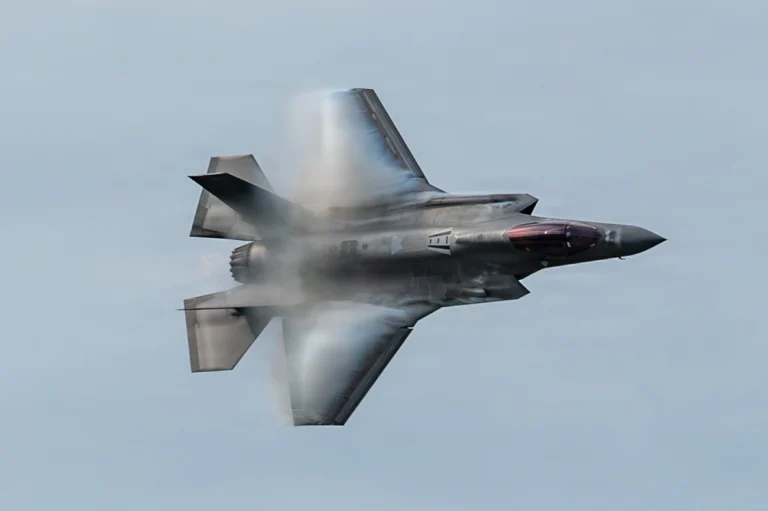
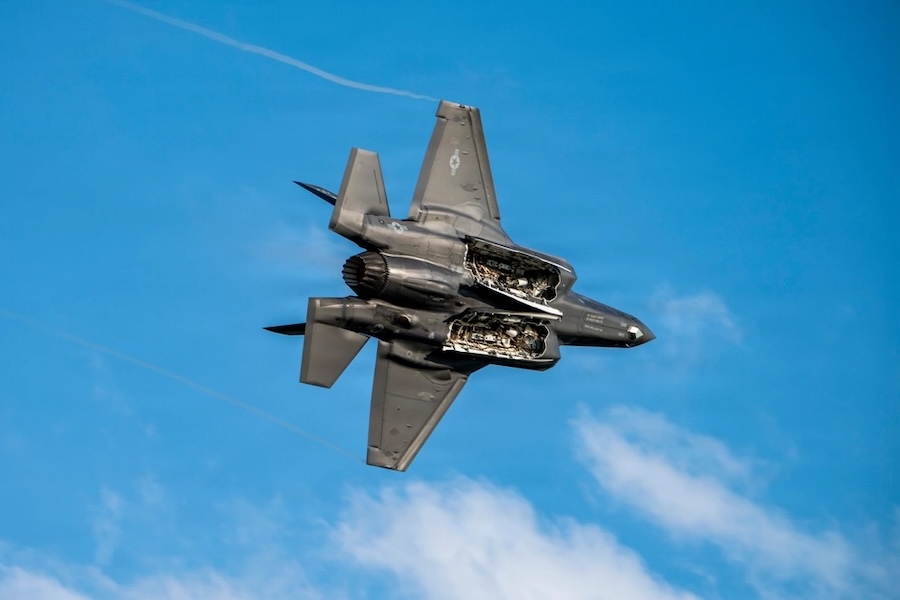
The F-35 initiative will run alongside £460 million allocated to SPEAR CAP 3 between the 2026/27 and 2029/30 financial years, according to the UK’s 2026 Defence Investment Plan. The document lists that funding specifically for SPEAR CAP 3 and gives no separate value for the wider Lightning Force weapons package.
The plan does not identify the additional weapons or provide quantities, delivery schedules or integration dates. It nevertheless places F-35 lethality among the government’s most significant weapons and munitions investments for the next four years.
The policy follows a direction set by Britain’s Strategic Defence Review to increase the range and reach of the country’s weapons. The government said future programs should draw on international cooperation, technological innovation and operational lessons from current conflicts.
The weapons investment comes alongside £2.2 billion in planned F-35 spending from 2026/27 through 2029/30. That platform figure excludes some cross-cutting expenditure, including support and munitions, which is not assigned to individual aircraft in the plan’s spending table.
Britain will also prepare for its next batch of F-35s, including the Royal Air Force’s first F-35As, which are expected to enter service in the early 2030s. The new variant will enable the RAF to join NATO’s Dual Capable Aircraft nuclear mission.
The F-35B will remain central to Britain’s carrier-based combat-air capability and will increasingly operate alongside uncrewed systems. Almost £240 million is allocated to Project PANTHEON, including Project VANQUISH trials of jet-powered drones designed to work with the F-35B force.
A separate £300 million Collaborative Combat Aircraft program will develop autonomous jets intended to operate alongside fourth- and fifth-generation fighters. The planned aircraft will expand sensor coverage, carry additional missiles and operate ahead of crewed platforms to improve their survivability and lethality.
The F-35 weapons package sits within a wider shift toward larger munitions inventories and a more balanced mix of high-end missiles and lower-cost systems. Britain plans to invest at least £20 billion in new weapons and munitions between 2030 and 2035, including further long-range strike capabilities.
The investment figures are indicative rather than binding and remain subject to government approvals, affordability and contracting procedures. The plan states that individual programs may be reprioritized, deferred, rescoped or canceled.