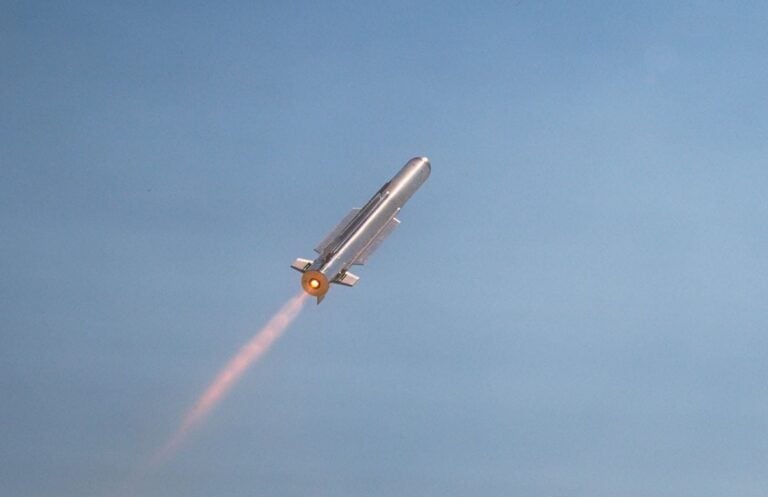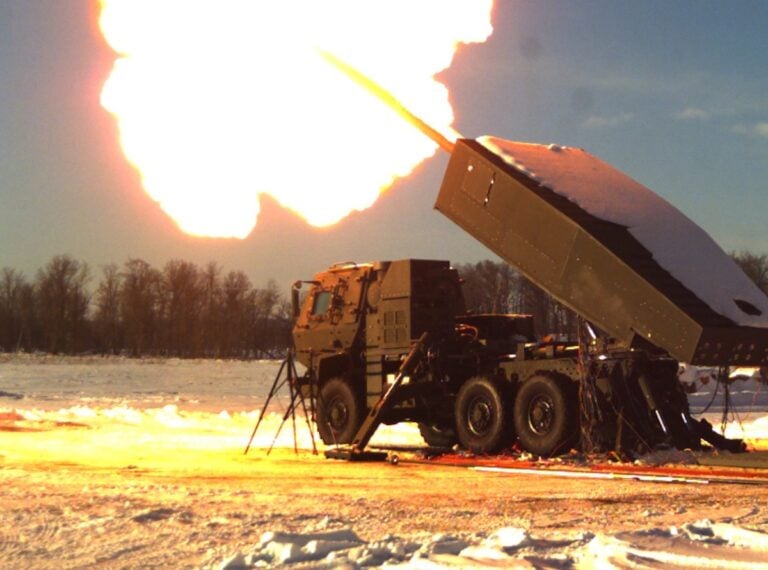

The companies are positioning the effort around roll-on/roll-off mission systems and conventional aerial-delivery procedures. That approach could allow the C-390 to deploy massed effects in dispersed operations without turning the aircraft into a dedicated strike platform.
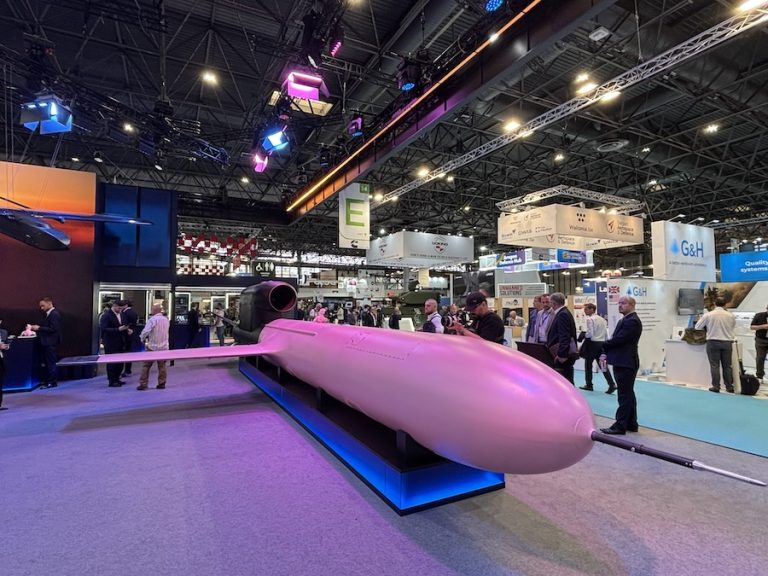
Anduril describes the Barracuda-500M as an affordable, mass-producible cruise missile intended to help rebuild and expand U.S. and allied munitions inventories. The palletized variant is designed to allow airlift aircraft to launch dozens of munitions at the same time, supporting large-scale employment at lower cost.
The collaboration gives Embraer another way to market the C-390 as a multi-mission aircraft for allied forces. It also links the Brazilian-built transport to growing demand for flexible standoff effects, agile combat employment and interoperable mission systems.
“This collaboration with Anduril marks another important step in the evolution of the C-390 Millennium. By exploring the integration of stand-off launch capabilities for palletized, kinetic, and non-kinetic effects, we are further expanding the aircraft’s flexibility to meet the evolving needs of modern air forces,” said Bosco Da Costa Junior, President and CEO of Embraer Defense & Security.
“Together, we are developing innovative solutions that strengthen mission versatility, support agile combat employment, and increase operational possibilities for our customers worldwide,” he said. His remarks place the agreement inside Embraer’s wider push to broaden the aircraft’s operational utility.
“Integrating the pallet-launched Barracuda-500M with Embraer’s C-390 Millennium gives allied militaries a new way to generate massed, stand-off effects from a proven airlift platform,” said Greg Kausner, Senior Vice President for Global Defense at Anduril. “Anduril’s Barracuda family of systems delivers rapidly producible, operationally relevant capabilities to meet the growing demand for affordable, scalable munitions.”
The C-390 Millennium can carry 26 tons of payload and fly at 470 knots, according to Embraer. The company says the aircraft can fly faster and farther than other medium-sized military transport aircraft.
The aircraft is designed for cargo and troop transport, equipment and personnel airdrops, medical evacuation, search and rescue, firefighting and humanitarian missions. It can also operate from temporary or unpaved runways.
With quick-installation air-to-air refueling equipment, the C-390 can operate as both a tanker and a receiver. Embraer says that mix of roles supports the tactical and strategic needs of air forces seeking common, interoperable fleets.
The C-390 has been selected by the air forces of Brazil, Portugal, Hungary, the Republic of Korea, the Netherlands, Austria, the Czech Republic, Uzbekistan, Sweden, the United Arab Emirates, Slovakia and Lithuania. The Barracuda integration study gives Embraer a new mission concept to offer those customers and future operators.
Anduril completed the first successful flight test of the pallet-launched B-500M in September 2024. Since then, the company says it has carried out dozens of additional successful flight tests covering maturity, performance and modularity.
Those tests included Networked Collaborative Autonomy flights, terminal engagements and payload performance validation testing. The agreement with Embraer adds another potential application for the B-500M after recent procurement framework agreements with the U.S. Department of War and a localized production deal with PGZ in Poland.