The proposal is designed to steer more orders towards European defence companies. It may also delay access to some weapons.
The Council of the European Union approved the loan package at the end of April. The funding is intended to meet Ukraine’s defence and economic needs in 2026 and 2027.
One-third of the money will provide macroeconomic and budgetary support. The remaining two-thirds will finance defence-industrial capacity and weapons procurement.
The EU plans to raise the funds through borrowing on capital markets. Repayment is intended to come from Russian reparations to Ukraine, although another source would be needed if those payments are not secured.
The assistance is subject to compliance conditions. Its terms state that “funding will be linked to that country’s compliance with strict conditions, such as respect for the rule of law, including the fight against corruption”.
Ukraine may spend up to 35% of the loan outside the EU. Eligible purchases may include weapons and components from suppliers in the United States and China.
Kyiv has requested two exemptions so far. They cover Chinese components for drones produced in Ukraine and guided missiles for Patriot air-defence systems.
France wants such exemptions to remain temporary because the EU organised the financing. Its position would direct a larger share of the orders towards manufacturers inside the bloc.
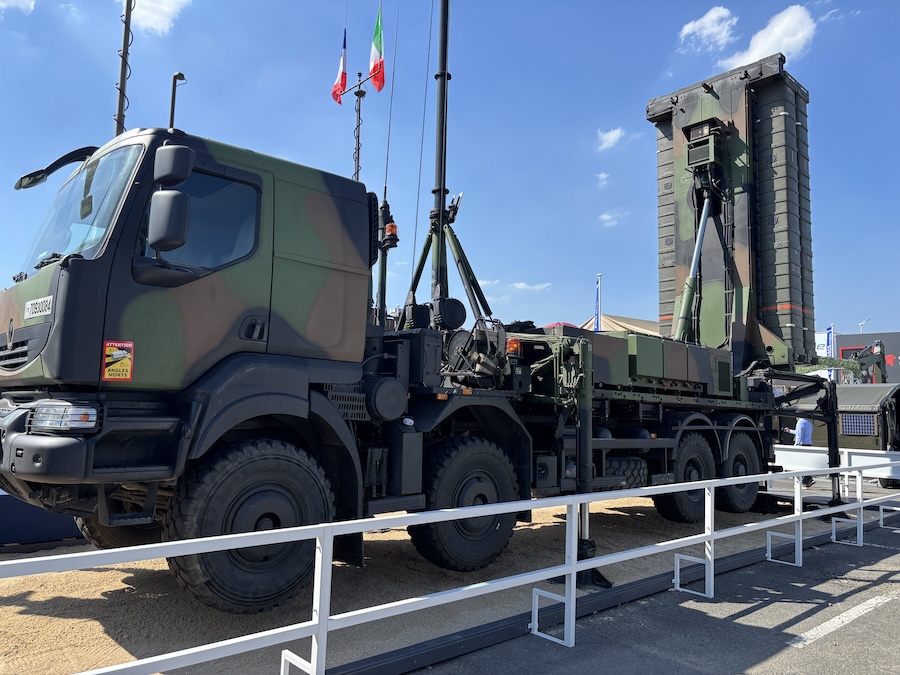
For air defence, the policy would support the Franco-Italian SAMP/T system as a European alternative to Patriot. Ukraine has recently received approval to produce missiles for SAMP/T.
Nine EU governments have opposed the French position. Sweden, the Netherlands, Germany, Denmark, Estonia, Poland, Latvia, Finland and Lithuania want Ukraine to retain greater freedom to choose suppliers.
In July, the nine countries raised the issue with EU foreign policy chief Kaja Kallas and Defence Commissioner Andrius Kubilius. They asked the officials to preserve procurement flexibility for Kyiv.
Patriot procurement does not sit entirely outside Europe’s defence industry. Germany and Poland produce, or plan to produce, missiles or components for the system, allowing part of a PAC-2 or PAC-3 order to be fulfilled within the EU.
Source: Euronews.