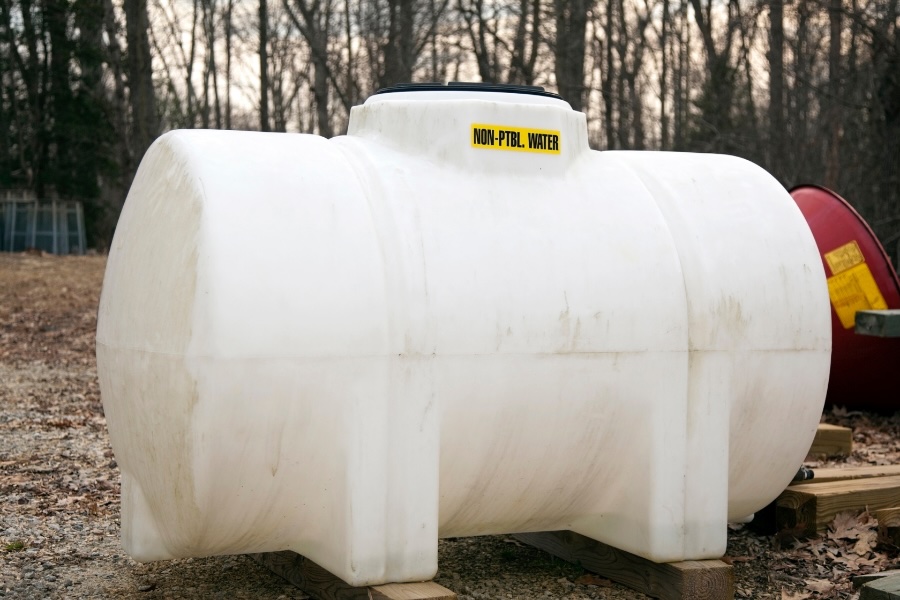
In today’s transport and logistics sector, compliance with emissions regulations is no longer optional, especially across the UK and wider European markets. For companies operating diesel-powered vehicles, AdBlue has become a necessary component in reducing nitrogen oxide emissions. This makes adblue tanks a crucial part of fleet infrastructure, ensuring a consistent and safe supply of the fluid. For entrepreneurs and fleet managers, selecting the right storage solution is not simply about capacity, but also about durability, safety, and operational efficiency. A well-chosen tank supports business continuity, helps avoid downtime, and ensures adherence to environmental standards.
Understanding the requirements of your fleet
Before selecting a tank, businesses must carefully analyse their fleet’s size, fuel consumption patterns, and daily AdBlue usage. A small delivery company will have different needs compared to a large logistics operator with dozens of vehicles. Estimating consumption levels allows companies to determine the optimal tank capacity, avoiding both shortages and unnecessary overstocking. Additionally, considering the frequency of deliveries and refilling schedules helps in planning storage solutions that align with operational workflows. A thoughtful assessment ensures that the chosen system supports efficiency and reduces the risk of disruptions in day-to-day operations.
Why steel construction with corrosion protection matters
When choosing storage solutions for commercial use, durability is a key factor. Steel tanks with additional corrosion protection coatings offer a robust and long-lasting option for demanding industrial environments. Unlike untreated materials, protected steel resists environmental factors such as moisture, temperature fluctuations, and chemical exposure. This makes it particularly suitable for outdoor installations commonly used by transport companies. For businesses operating in the UK, where weather conditions can be unpredictable, corrosion-resistant steel provides a reliable solution that maintains structural integrity and ensures safe storage over many years.
Key features to look for in AdBlue tanks
Beyond material selection, there are several practical features that businesses should evaluate. Integrated pumping systems, secure locking mechanisms, and easy-access filling points all contribute to efficient daily use. Monitoring systems that track fluid levels can be especially beneficial for larger fleets, allowing for better stock management and preventing unexpected shortages. Furthermore, compliance with British safety standards and regulations is essential when installing and using storage equipment. Choosing tanks equipped with modern features not only enhances usability but also improves overall operational safety within the workplace.
Installation considerations for business environments
Proper installation plays a significant role in maximising the performance and lifespan of storage tanks. Businesses should consider factors such as available space, accessibility for delivery vehicles, and proximity to refuelling areas. Outdoor installations should be positioned on stable, level surfaces to prevent structural stress and ensure safe operation. Additionally, companies must ensure that installation complies with local regulations and industry guidelines. Working with experienced suppliers or contractors can help avoid costly mistakes and ensure that the system integrates seamlessly into existing infrastructure.
Making a strategic investment for long-term operations
Choosing the right storage solution is not just a technical decision, but a strategic investment in the efficiency and sustainability of a fleet. High-quality steel tanks with protective coatings offer reliability that supports long-term business growth and regulatory compliance. For entrepreneurs and companies, investing in durable and well-designed solutions reduces maintenance costs and minimises operational risks. By aligning tank selection with fleet requirements and industry standards, businesses can create a dependable system that supports smooth, uninterrupted operations in a competitive transport environment.